

Can a few indoor plants change how your home feels? Yes. The right plants clean your air, slow your mind, and turn your space into a calm, breathable sanctuary you can return to every day.
This post contains affiliate links, meaning I may earn a commission if you make a purchase through them, at no extra cost to you.
Hey Beautiful!
One afternoon, I noticed something curious in my living room. The light was beautiful, the furniture was in place, and yet the room felt incomplete. It wasn’t fulfilled until I placed a simple Pothos near the window that the space suddenly felt alive. That single green leaf changed the atmosphere of the room in a way no decoration ever had. A home isn’t just a structure of wood and stone; it is a living extension of our own breath. When we bring plants inside, we are shifting our environment from a static space into a breathing sanctuary. It is an invitation for nature to settle into our daily rhythm.
Modern life often separates us from the natural rhythms of oxygen and release. Indoor air, according to various environmental studies, can often be more stagnant than the air outside. Plants serve as our natural healers. Through the process of photosynthesis and microbial interaction, plants act as biological filters, scrubbing common household toxins like benzene, formaldehyde, and xylene from the air we breathe.
Beyond chemistry, they also regulate humidity. In dry indoor climates, plants release moisture, which can support our respiratory health, skin hydration, and even the quality of our sleep. You don’t need an entire greenhouse to feel this shift; just a few well-placed companions can turn a “dry” room into a breathable, vital space.
Indoor Plants for Mental Health and Calm through Sensory Anchors
I have found that the act of caring for my plants has become one of my favorite Sensory Anchors. When I mist the leaves of my Pothos or check the dampness of the soil in my Peace Lily, I am stepping out of the “frantic energy” of the day and into a moment of intentional stillness. The quiet act of watering a plant is a grounding ritual. When you tilt the watering can and watch the soil absorb the moisture, your attention shifts away from screens and schedules, and toward the living, breathing reality of the present moment.
How to Choose Indoor Plants That Help Reduce Stress and Anxiety
There is a quiet psychological comfort that comes from living alongside plants. Studies in environmental psychology suggest that exposure to greenery can reduce stress, improve concentration, and support emotional calm. When our eyes rest on natural forms, the brain shifts away from the high-alert mode that screens and artificial environments often create. Even a single plant on a desk or bedside table can soften the mental noise of a busy day. This may explain why people often feel more relaxed in spaces that contain living greenery. Plants remind us that growth is patient, slow, and steady and these are the qualities that our modern lives often forget.
10 Best Indoor Plants for Home Air Quality and Mindful Living
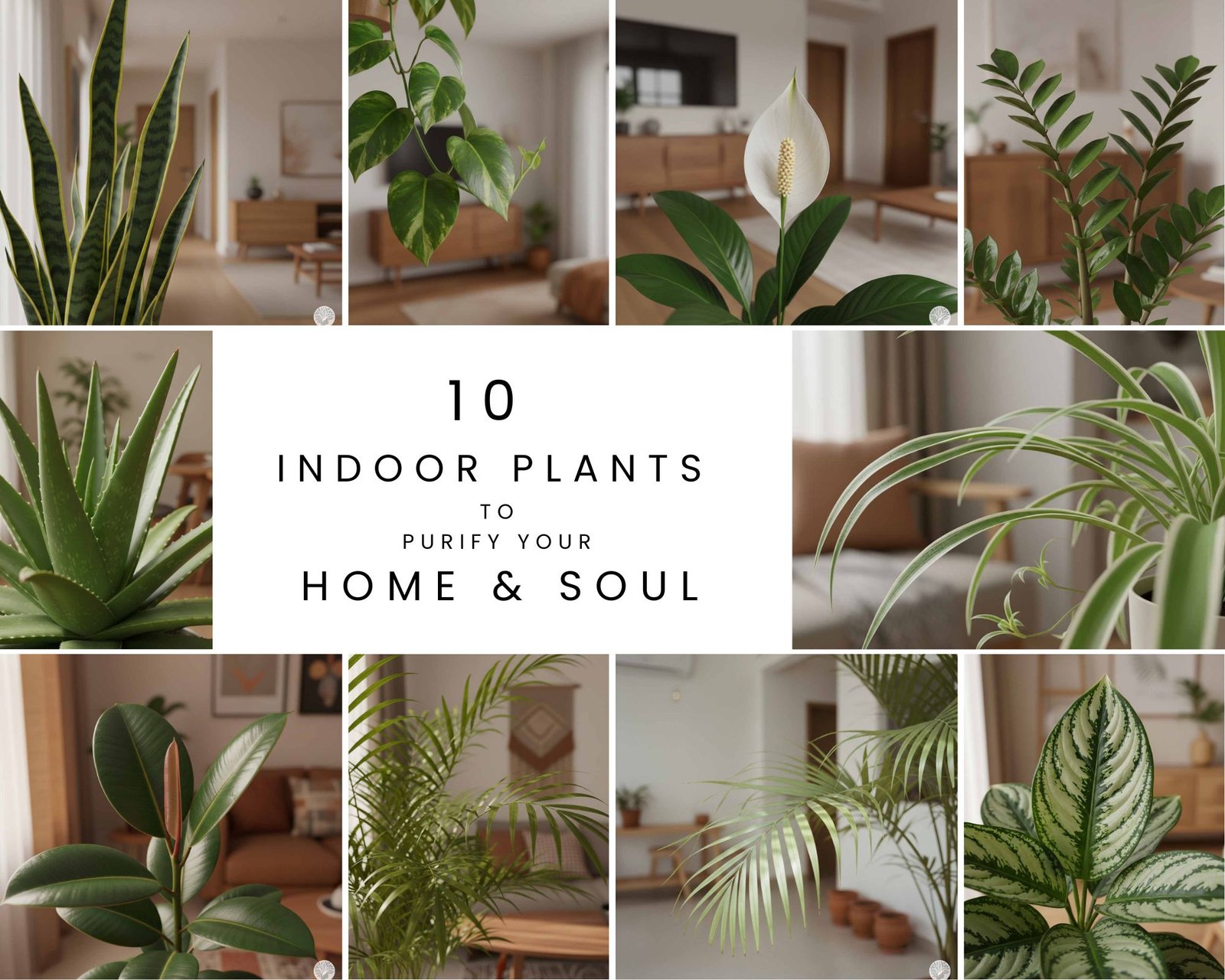
1. Snake Plant
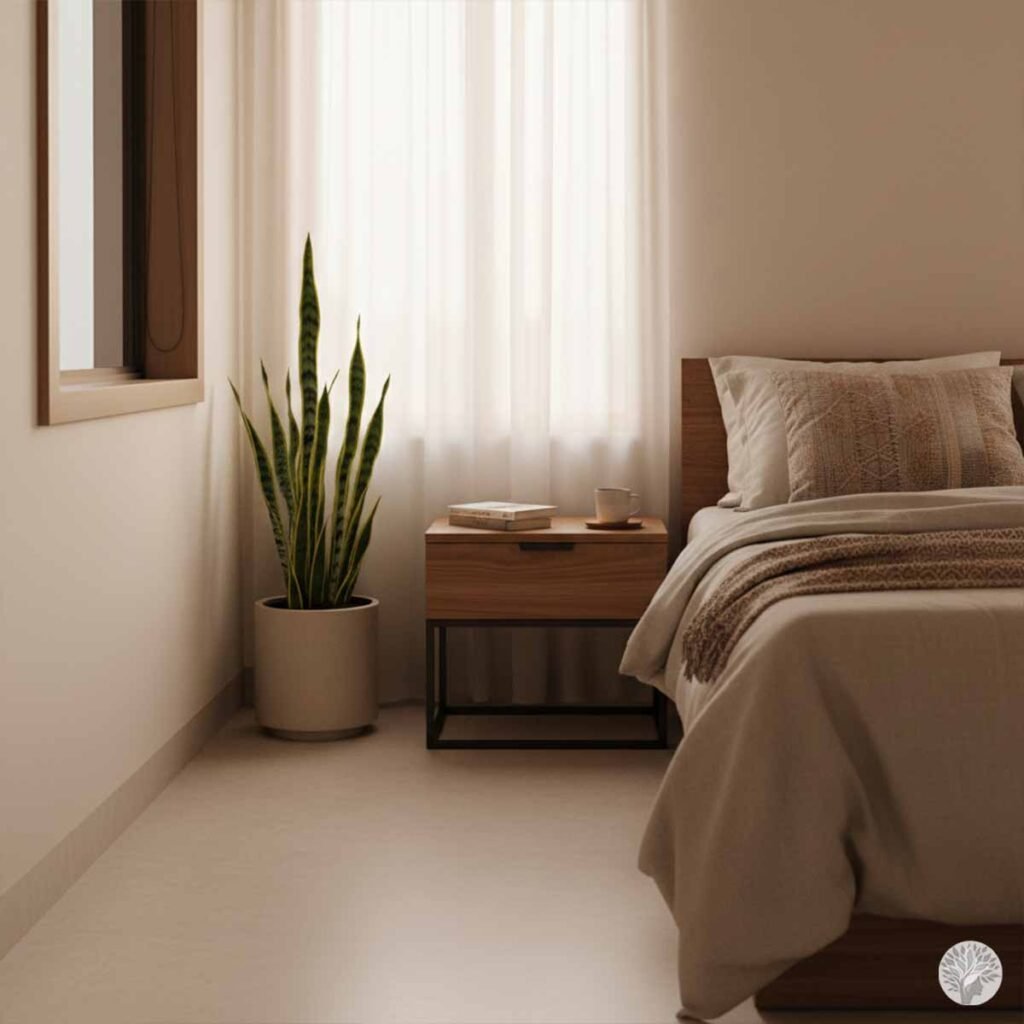
The Snake Plant holds a special place in my heart. It was the very first companion I brought into my home when I began my journey into Mindful Gardening. I had visited a nursery one afternoon, thinking of it simply as a piece of decor to brighten my living room. But as I watched it grow, it became my greatest teacher. Its upright, architectural leaves remind us that beauty can thrive even in the most unexpected corners or low-light conditions. It is perfect for beginners because it is nearly indestructible. Just water it once the soil is completely dry (roughly every 2–3 weeks). This plant taught me that growth doesn’t require constant managing. Sometimes, it only requires the grace of time.
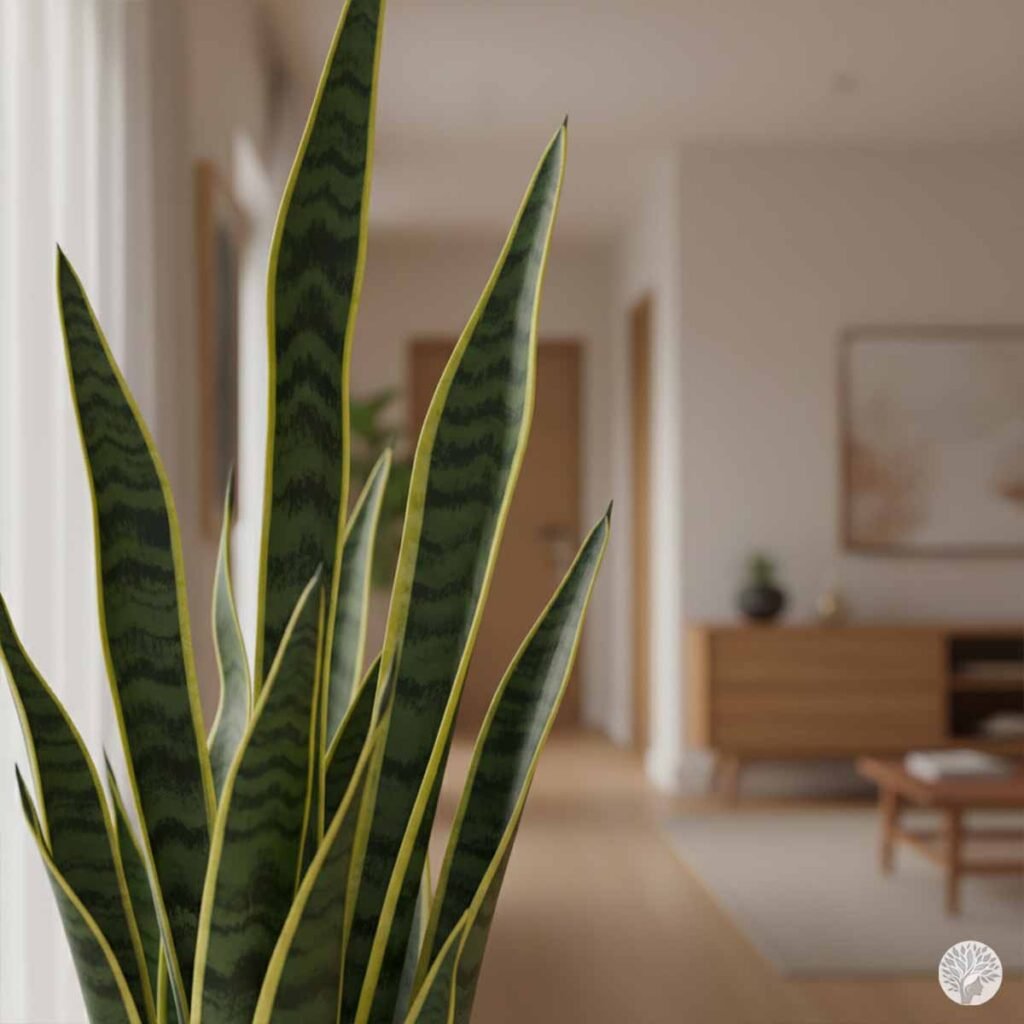
2. Pothos
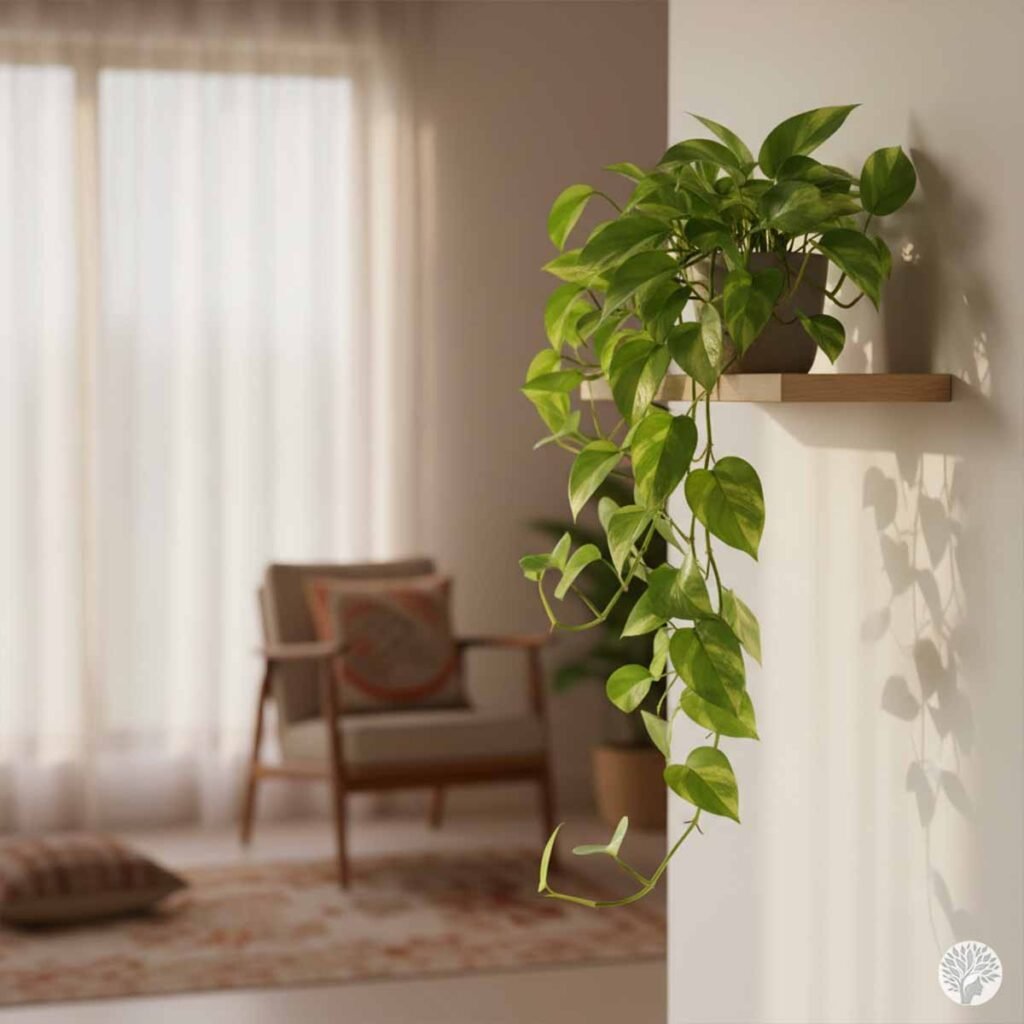
These trailing vines are a testament to the idea that growth is a journey, not a race. They love indirect light and are incredibly forgiving if you occasionally forget a watering.
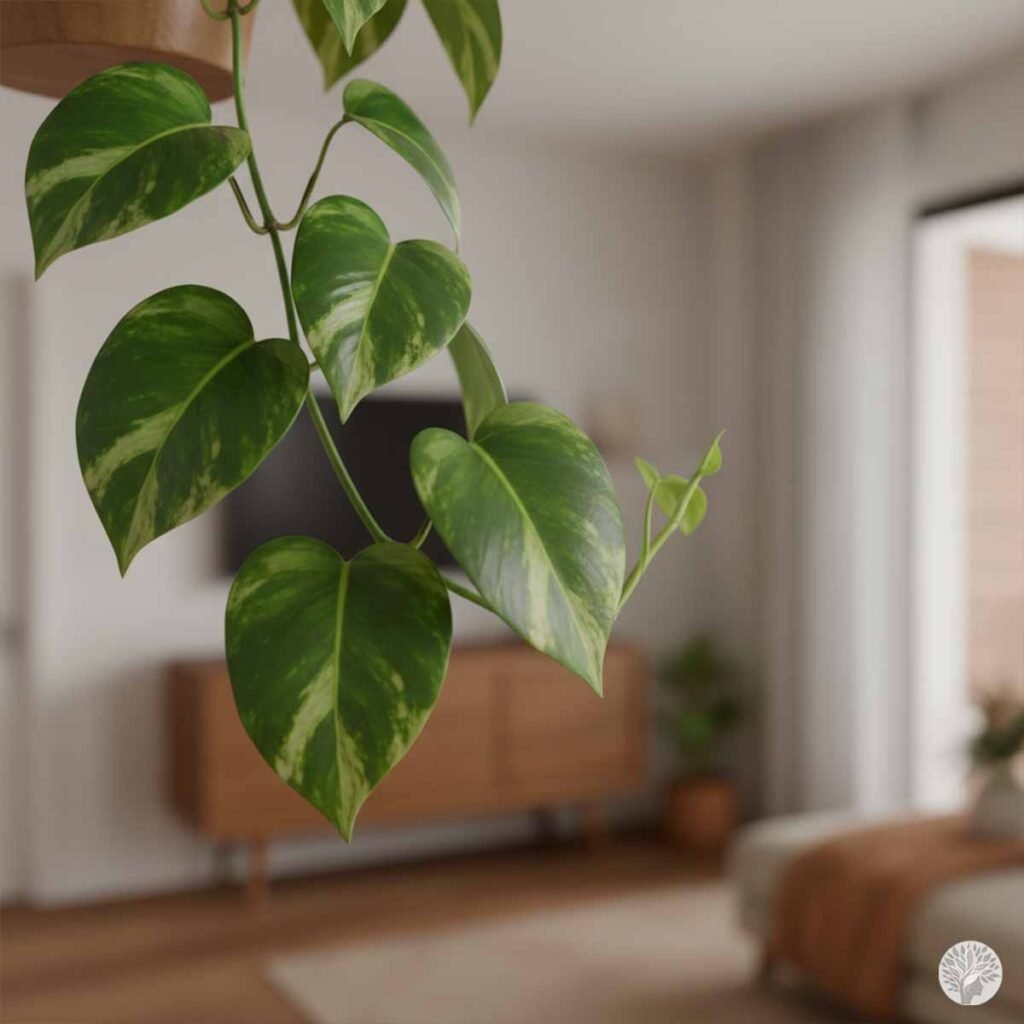
3. Peace Lily
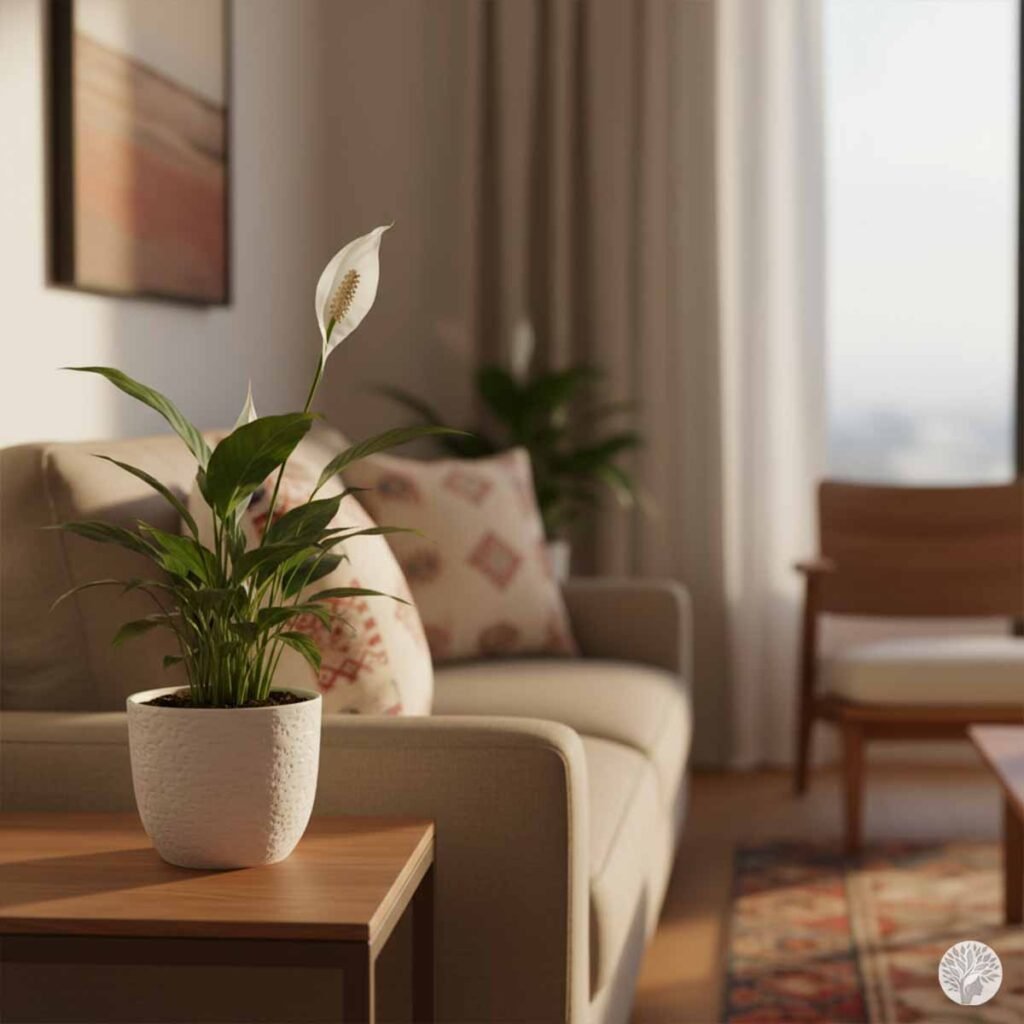
The delicate white blooms are a gentle reminder that peace is a living presence that requires consistent care. They prefer steady moisture and will “tell” you when they are thirsty by drooping slightly.
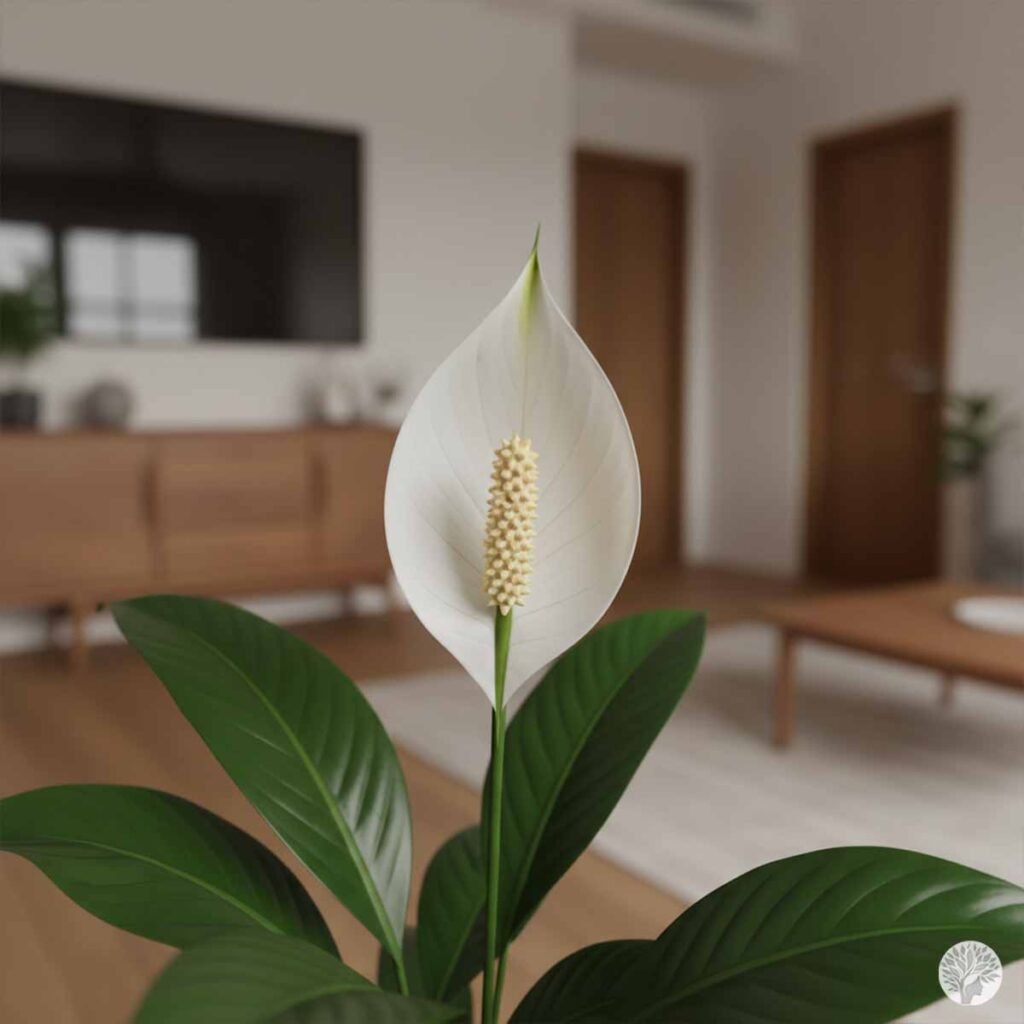
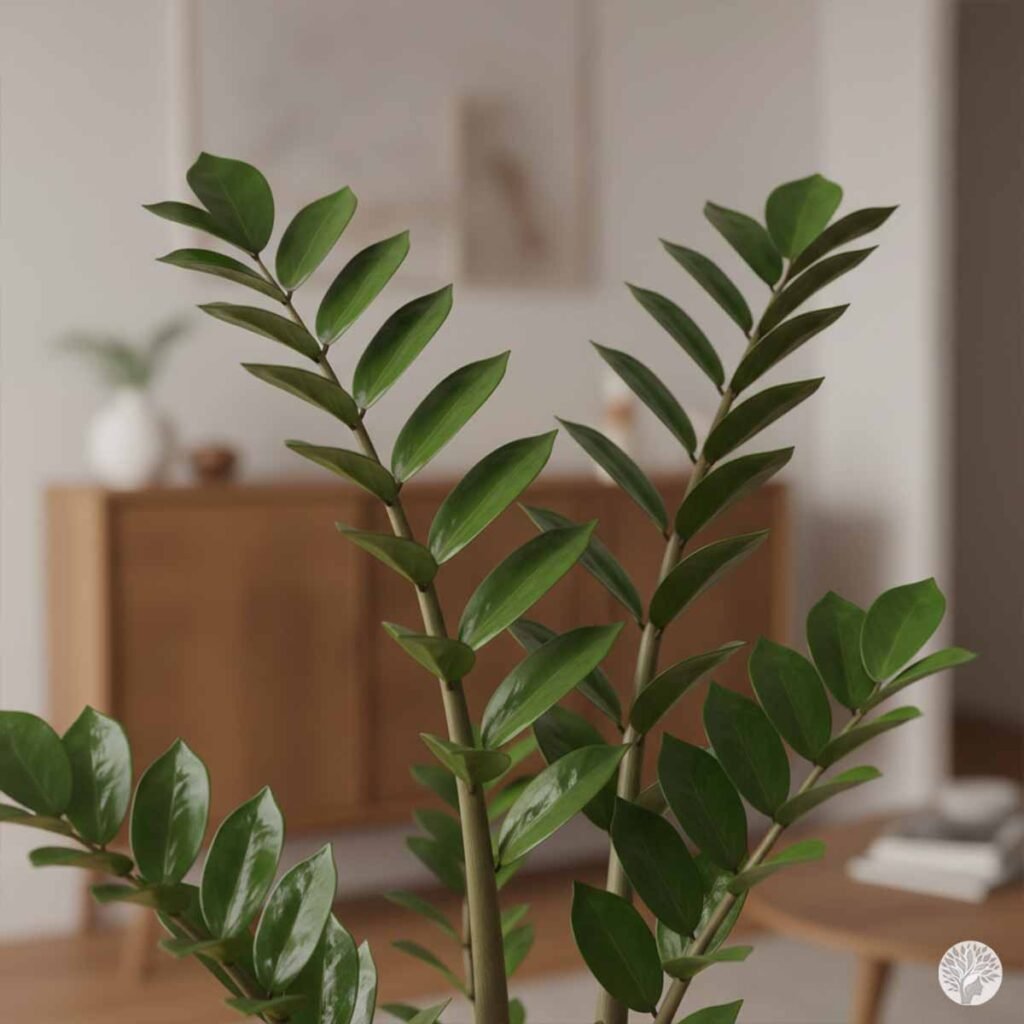
4. ZZ Plant
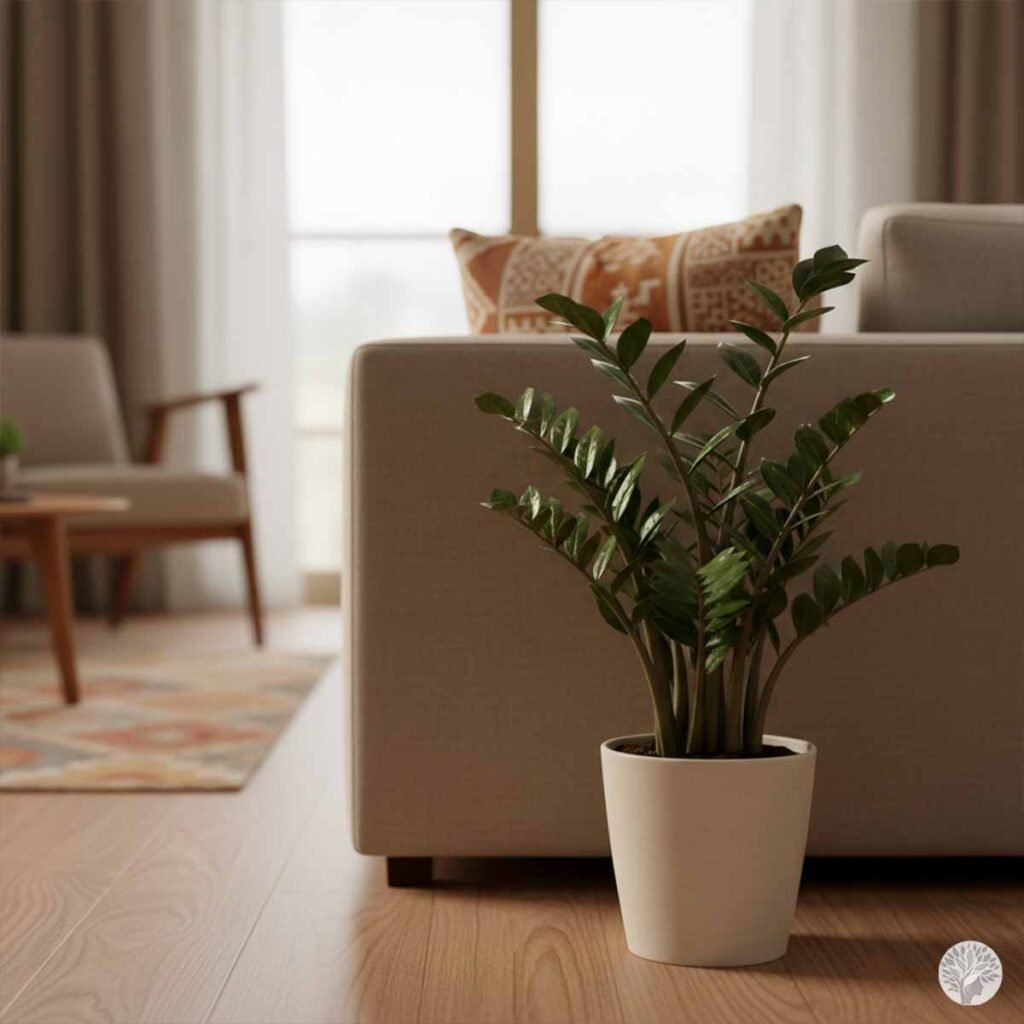
With its glossy, waxy leaves, the ZZ plant is virtually indestructible. It survives in low light and thrives on neglect, making it the perfect companion for those with a busy, demanding schedule.
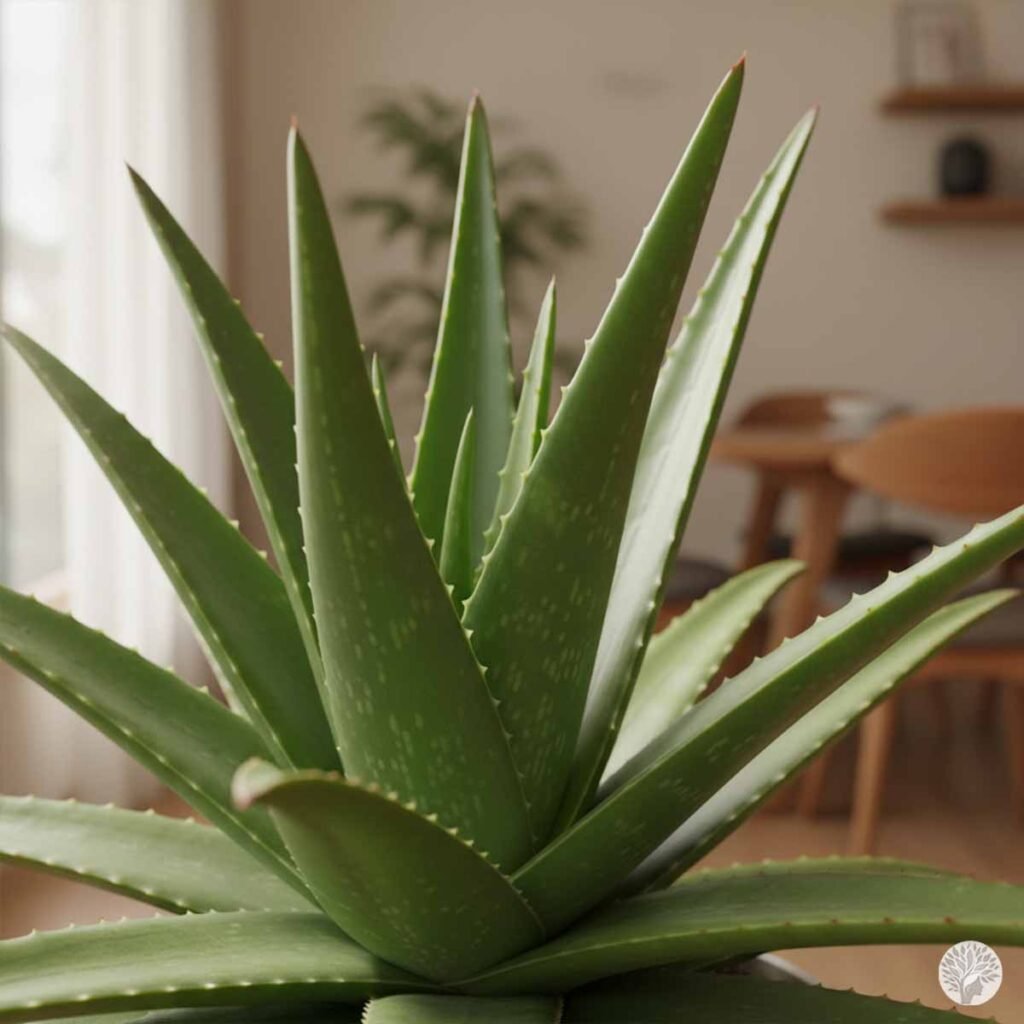
5. Aloe Vera
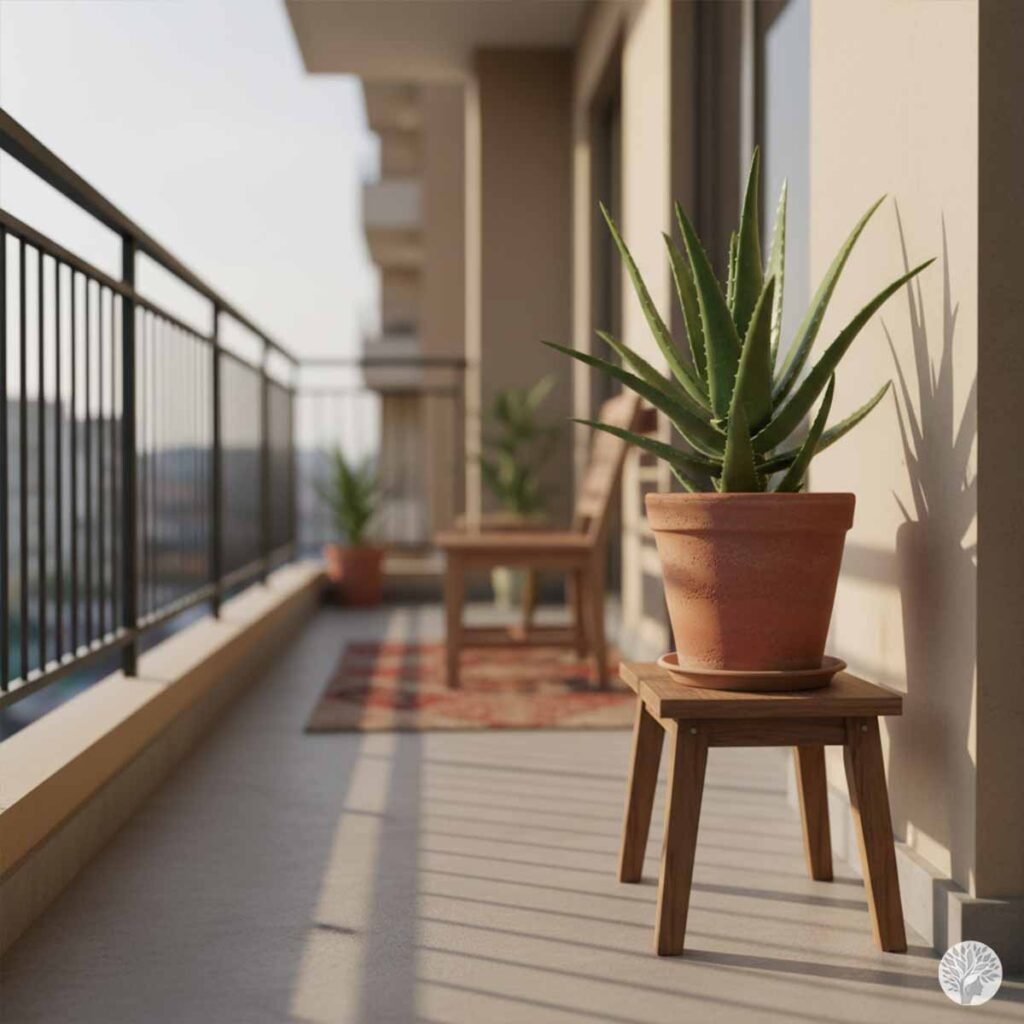
This healing plant is a symbol of self-sufficiency. It loves sunny windowsills and acts as a grounding, practical presence that reminds us that we hold the medicine we need within ourselves.
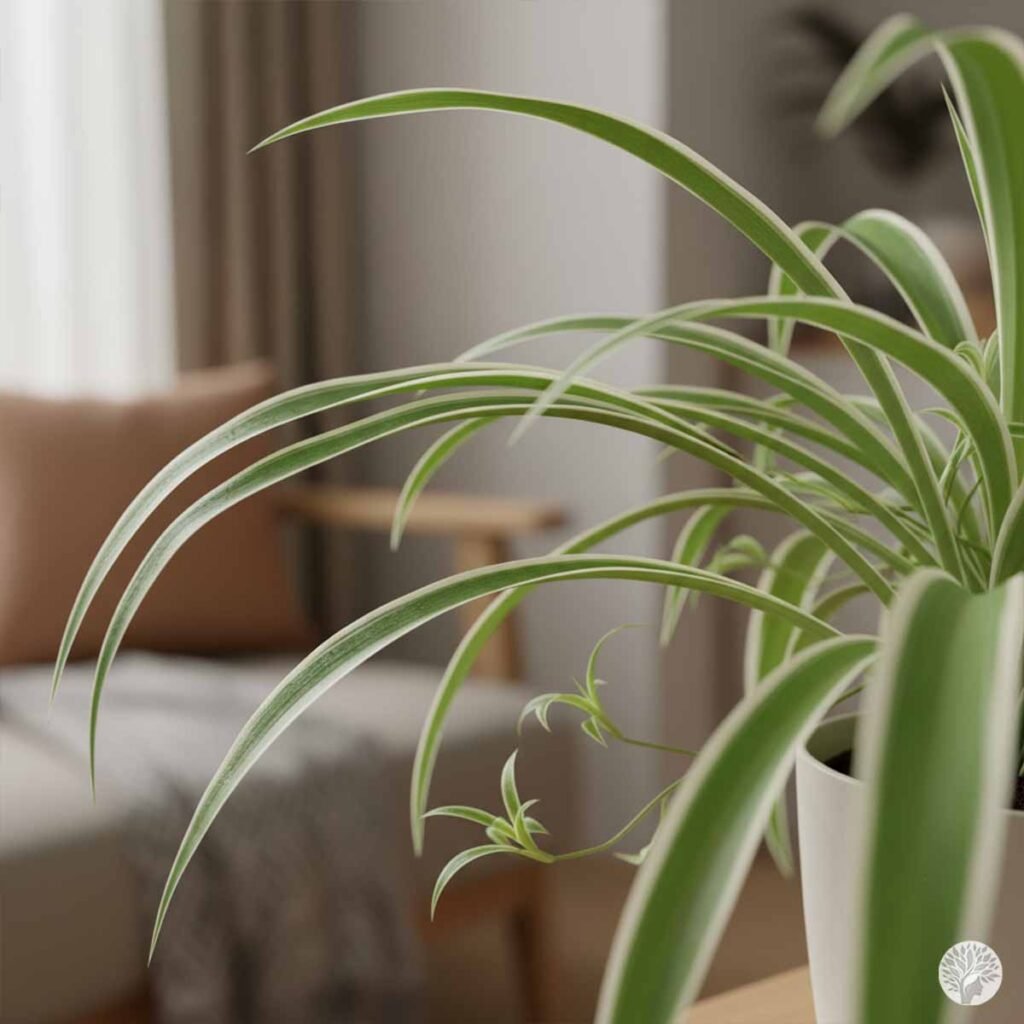
6. Spider Plant
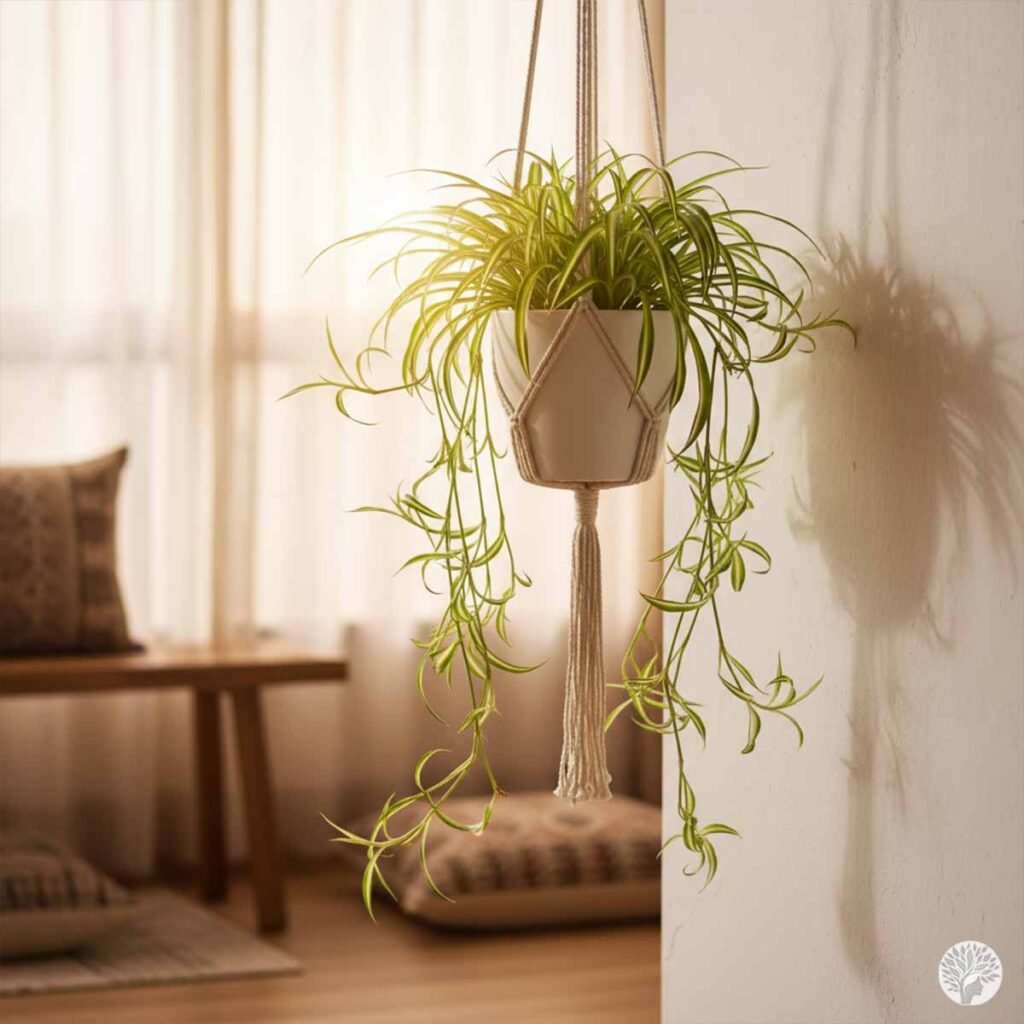
Known for producing little “plantlets,” the Spider Plant is a beautiful symbol of abundance. It is highly effective at air purification and enjoys being placed in hanging baskets where its leaves can cascade freely.
7. Rubber Plant
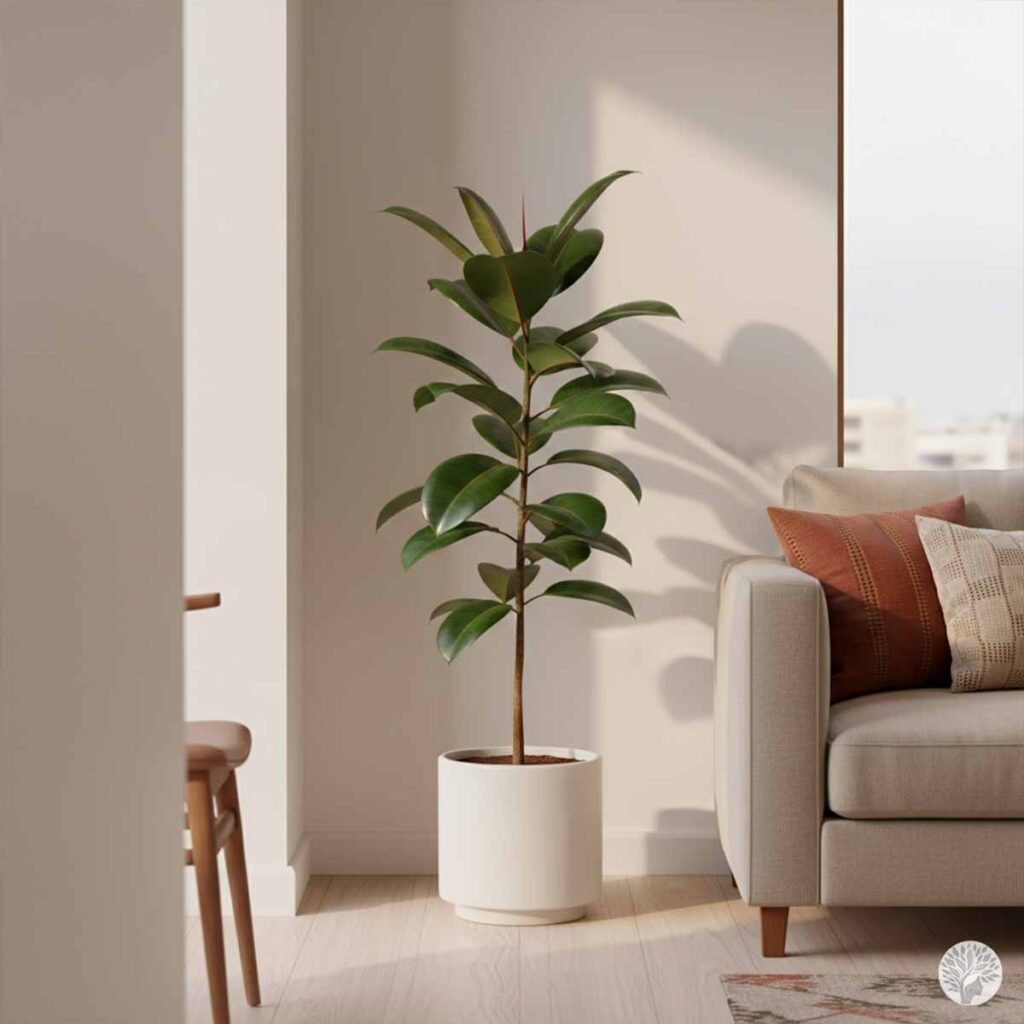
Bold and firm, the Rubber Plant adds structural strength to a room. It thrives in bright, indirect light and serves as a reminder of the strength of deep, invisible roots.
8. Bamboo Palm
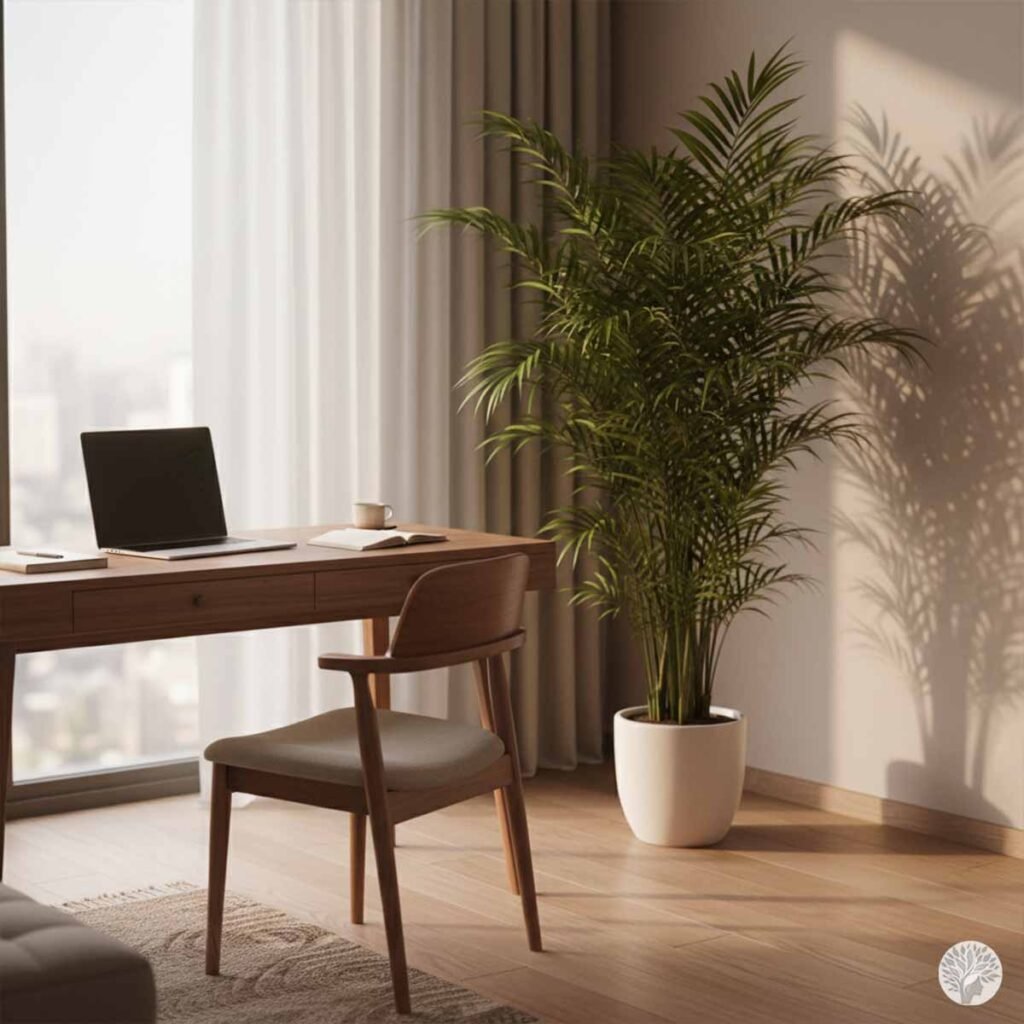
Bringing the fluidity of water into our homes, the Bamboo Palm is a lush, feathery presence that helps maintain indoor humidity levels. It loves a consistent, gentle watering rhythm.
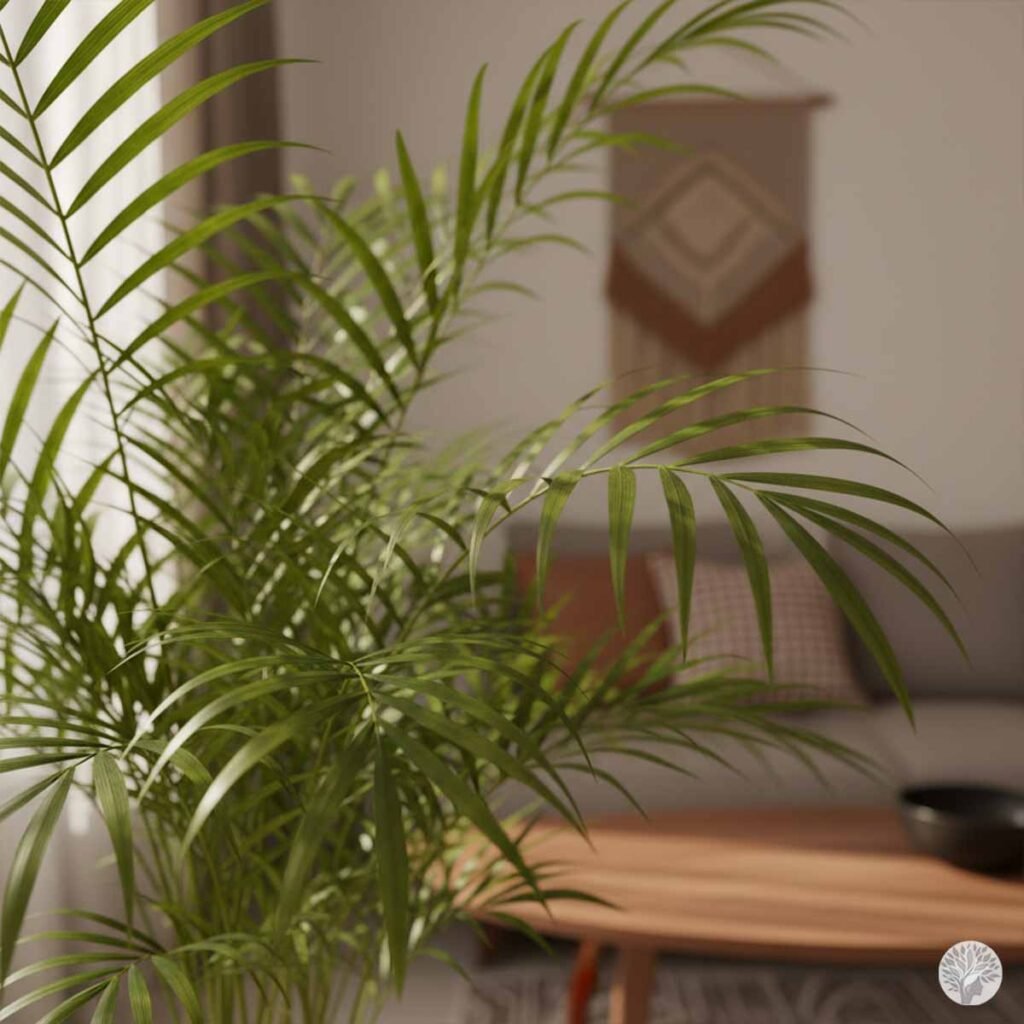
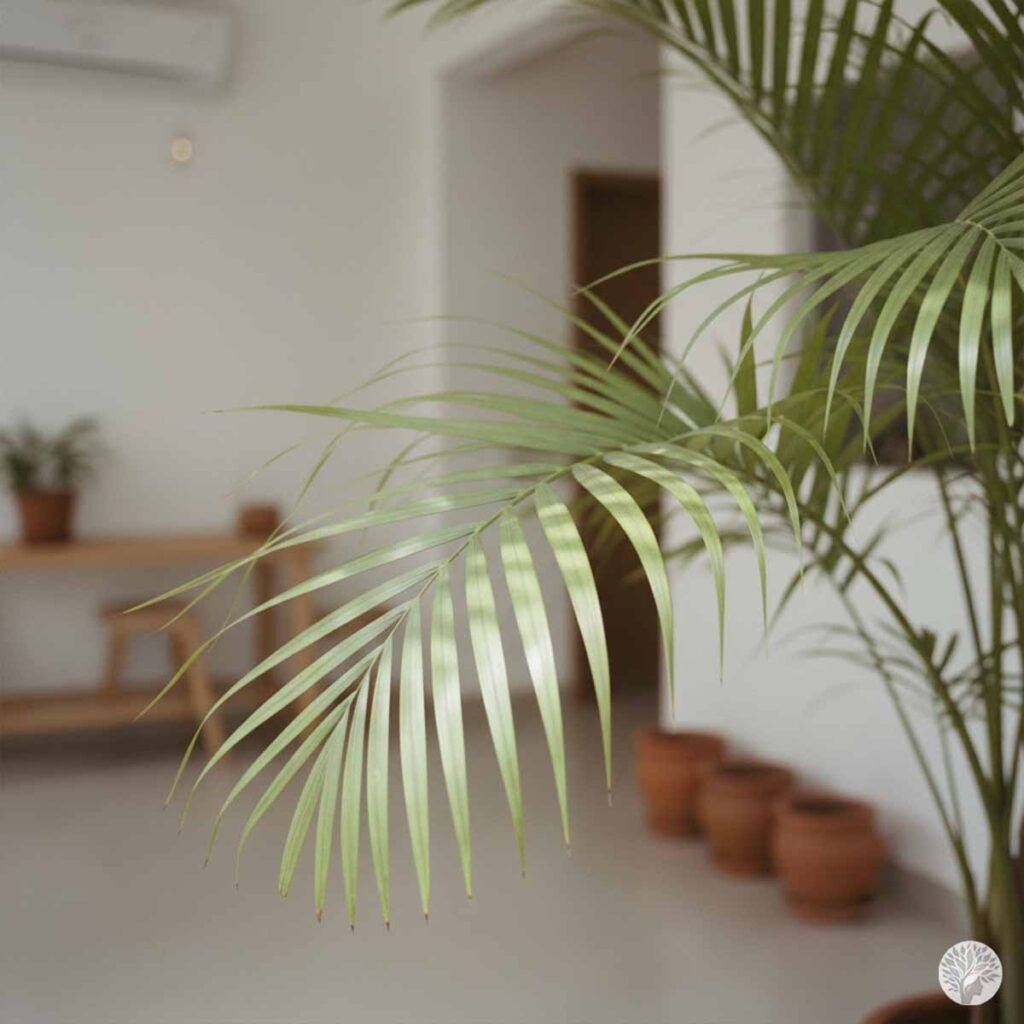
9. Areca Palm
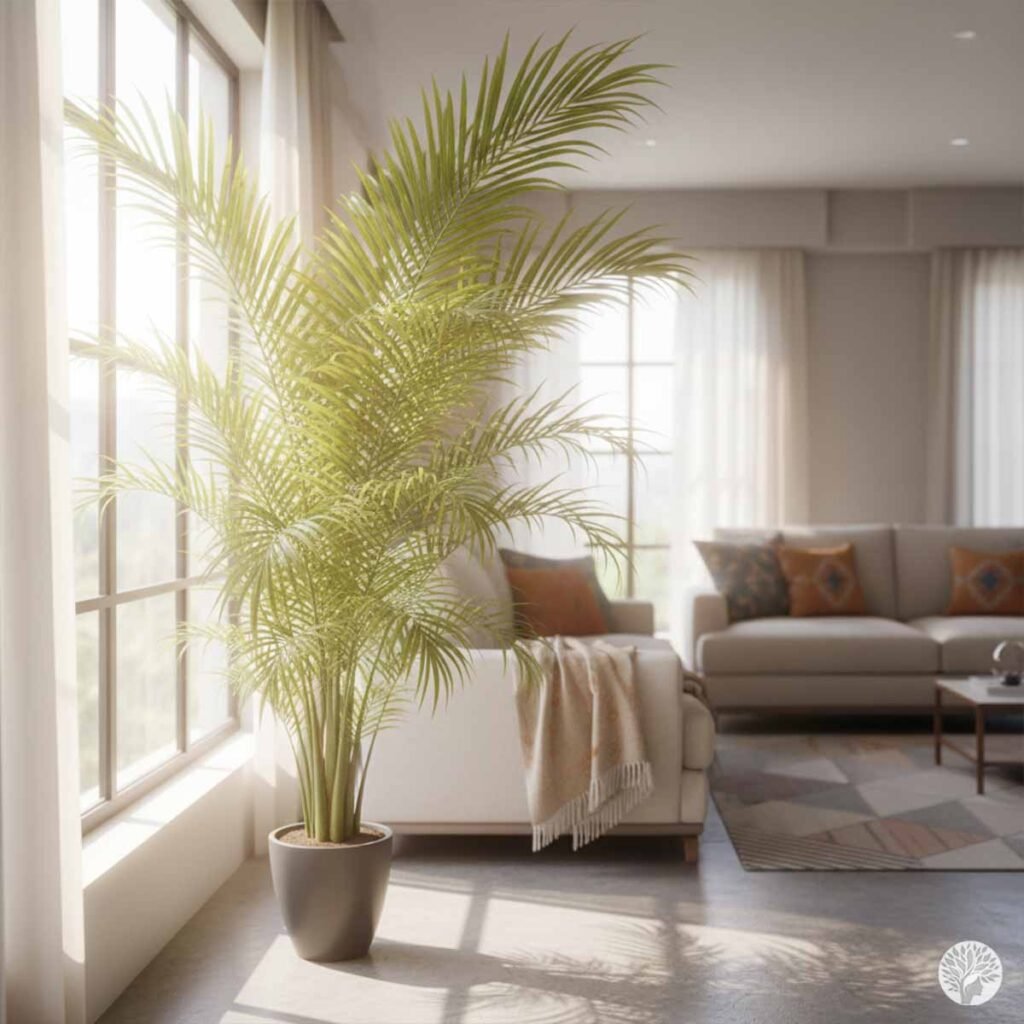
This tropical companion acts as a “breath of fresh air,” filling a corner with light-reflecting fronds. Keep it in a bright spot and it will keep your inner climate feeling sunny and bright.
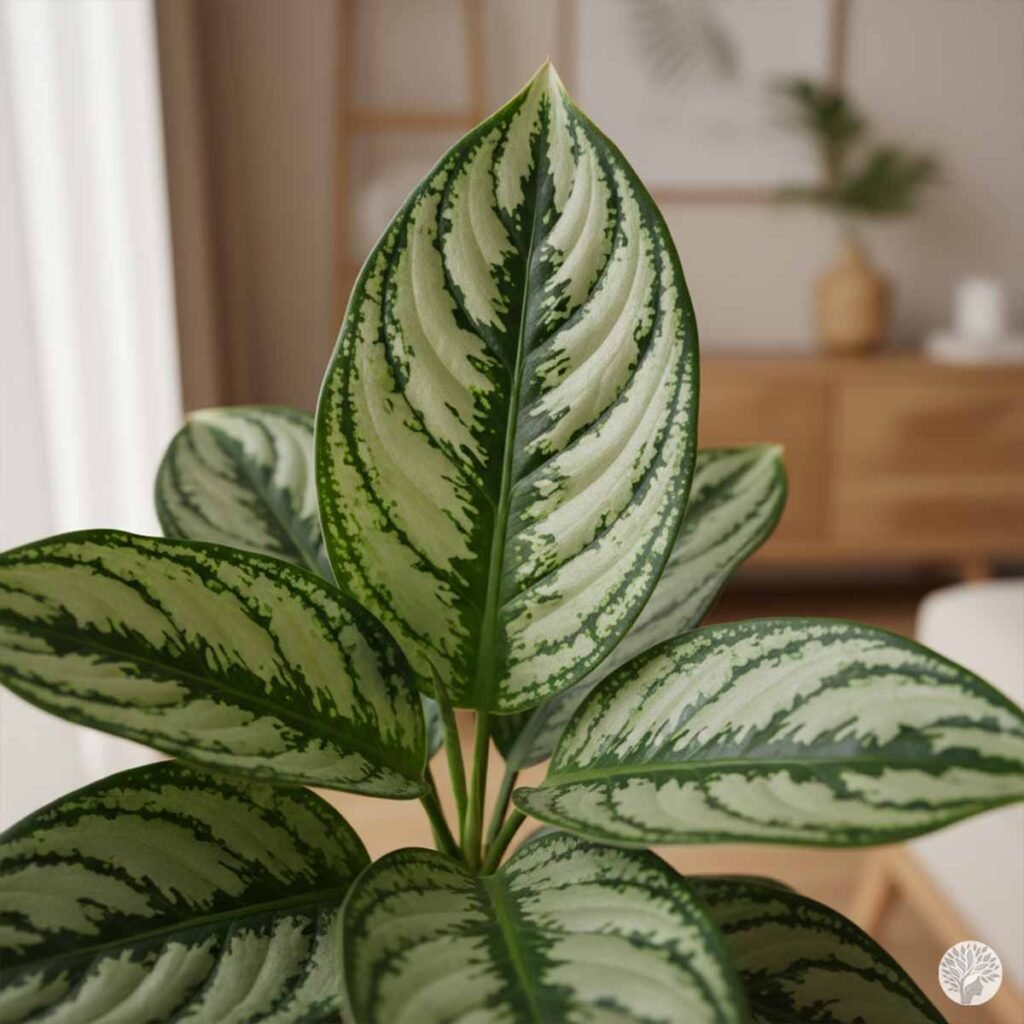
10. Chinese Evergreen
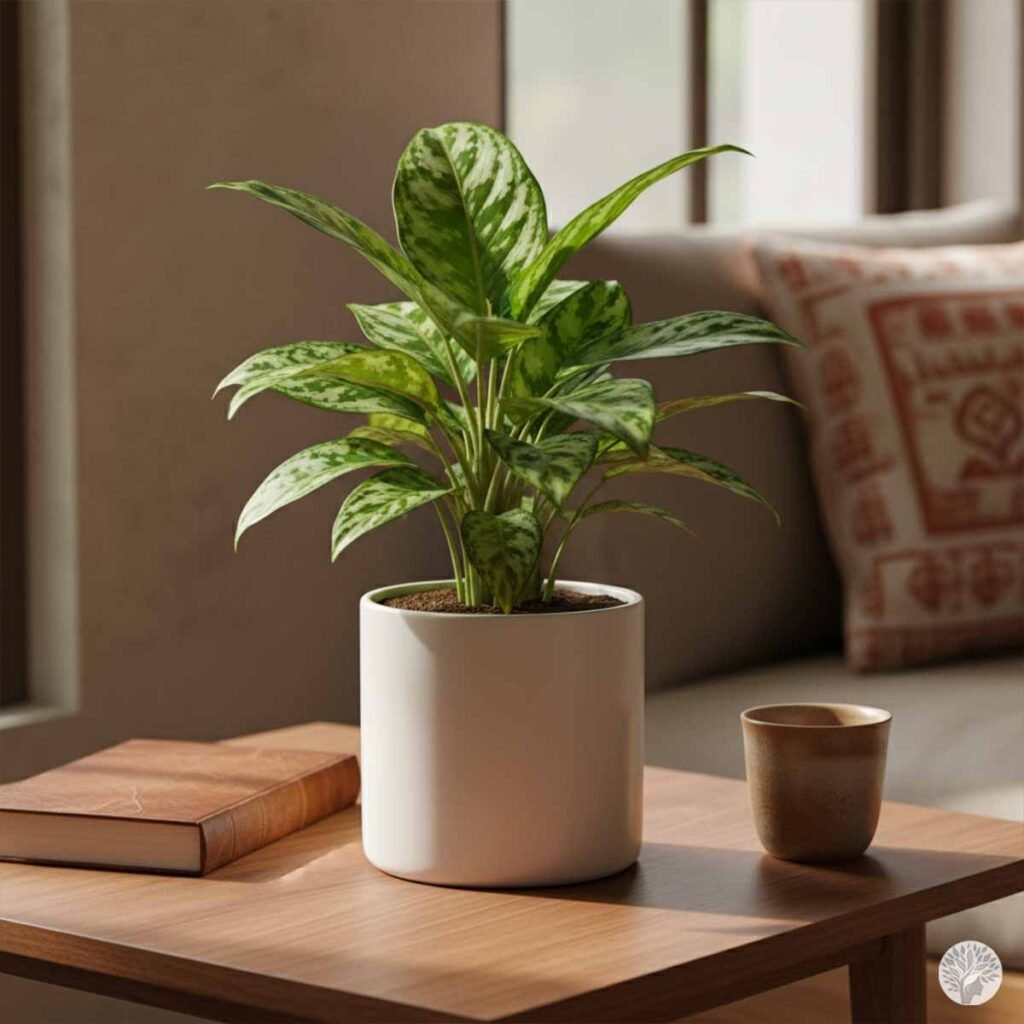
With its intricate, patterned leaves, this plant reminds us that there is beauty in variety and complexity. It adapts well to different lighting and is a wonderful “anchor” plant for a quiet workspace.
Creating a Mindful Plant Corner
A small cluster of three plants at different heights can transform a forgotten corner into a living sanctuary. Try the “one plant per room” rule to start, or group them on a windowsill to create a mini-ecosystem. Place taller plants like Areca Palm or Rubber Plant near empty corners to draw the eye upward. Smaller plants such as Aloe or Chinese Evergreen work beautifully on shelves. A corner that once felt empty suddenly begins to breathe when layered with living greenery. Remember to choose clay pots over plastic. They allow the soil to “breathe,” which prevents root rot and adds an organic, earthy texture to your decor.
Easy Indoor Plants for a Busy Lifestyle to Find Your Perfect Match
Not every plant fits every home. The best plant is not the rarest or most exotic one. It is the one that suits your rhythm.
- Busy schedule: Choose low-maintenance plants like Snake Plant or ZZ Plant.
- Bright sunny homes: Aloe Vera and Areca Palm thrive in strong light.
- Low-light apartments: Chinese Evergreen and Pothos adapt beautifully. Matching your plant to your environment prevents frustration and allows your indoor garden to grow naturally.
Common Beginner Mistakes
Even the most mindful gardeners trip up sometimes.
- Overwatering: This is the most common mistake. Always touch the top inch of soil before reaching for the watering can.
- Ignoring Plant Signals: Your plant will tell you what it needs like yellowing leaves often mean too much water; curling leaves may mean too little light.
- Lack of Drainage: Ensure your pots have holes at the bottom; a “drowning” root cannot support a healthy, vibrant plant.
A home filled with plants slowly teaches us the virtue of patience. Leaves grow quietly, roots strengthen invisibly, and new shoots appear when we least expect them. In many ways, caring for plants mirrors the rhythm of our own lives. As you fill your home with the scent of damp earth and fresh leaves, you are breathing life back into your sanctuary, just as we discussed in The Breathable Home.
I Am the Gardener, Yes But I Am Also the Garden. By tending to these plants, we are ultimately tending to our own inner growth. Over time, you will notice something surprising. You will begin to recognize new leaves, subtle color changes, and tiny growth patterns that once escaped your attention. The plant hasn’t just grown; your awareness has grown with it.
Which living companion sits in your favorite corner of the home? Does it have a name? I would love for you to share your indoor plant story in the comments below.
We often think we are the ones tending to the soil, but in truth, it is the quiet, mindful presence of the plant that is tending to us.
Love ya, stay mindful!
