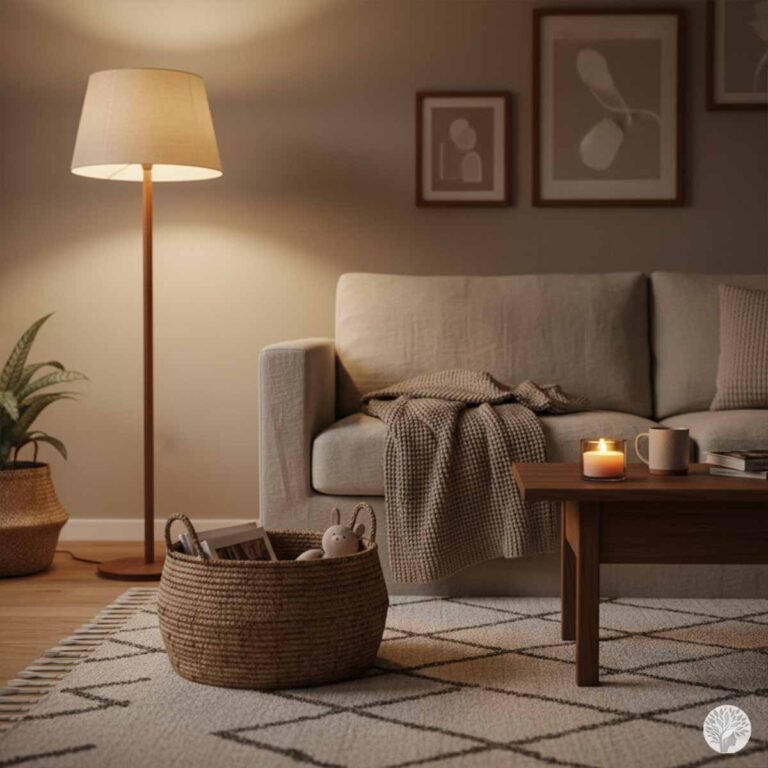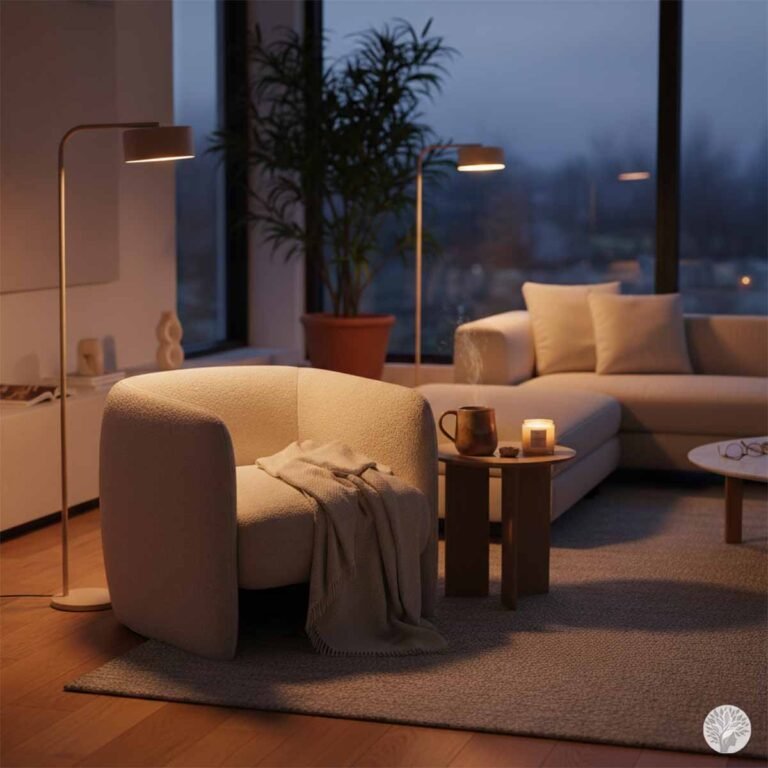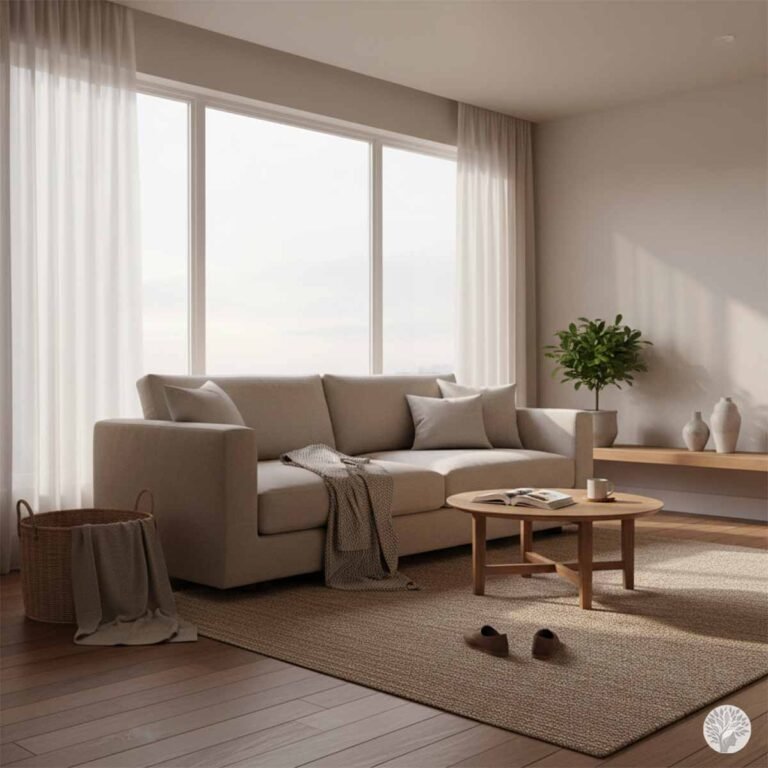

You are not overwhelmed because of the mess; you are overwhelmed because your brain cannot rest.” Discover how Visual Decluttering and the Hetal Method can lower your mental load and restore peace to your home today.
Disclaimer: This post contains affiliate links for tools I’ve carefully curated or used in my own sanctuary; I may earn a small commission at no extra cost to you. Read my full disclosure.
Hey Beautiful!
We’ve all felt it. That heavy, sinking sensation in the chest as you stand in the middle of a room that just won’t stay clean. Most people call it being “tired,” but for the modern mother, it’s something much deeper. It’s the specific brand of “Sunday Scaries” that doesn’t just happen on Sunday nights; it happens every time you walk into a kitchen covered in crumbs or a living room carpeted in mismatched toys.
You find yourself standing there, coffee in hand, paralyzed by the sheer volume of “stuff” in your peripheral vision. You aren’t just exhausted from the physical labor of cleaning; you are suffering from Premature Exhaustion. Your brain is essentially running fifty open browser tabs at once, trying to categorize every stray sock and half-eaten snack.
This isn’t a failure of your organization skills; it’s a biological response to Cognitive Overload. Most decluttering advice tells you to “get organized,” promising that a few more labeled bins will solve the problem. But if those bins are clear, or if the shelves are still packed tight, your brain is still “seeing” the noise. To truly reclaim your peace, we have to move past simple tidying and enter the world of Visual Silence.
What is Visual Decluttering? (The Science of Brain Rest)
At its core, Visual Decluttering is the intentional practice of reducing what your eyes see so your mind can rest. While standard decluttering focuses on the utility of an object,”Do I use this?”. Visual Decluttering focuses on the sensory impact, “Does my brain have to process this?” It is the difference between a house that is merely tidy and a home that provides true Brain Rest.
To understand why this matters, we have to look at the biology of the eye-brain connection. Your eyes are essentially an extension of your central nervous system. Every single item in your field of vision from the pile of mail to the mismatched colors on a toy shelf is a piece of data. Your brain doesn’t just “see” an object. It subconsciously categorizes it, evaluates its “task” status, and decides if it requires action. This is a constant drain on your Intrinsic Load.
When your environment is saturated with visual data, your eyes send a persistent “low-level threat” signal to the amygdala, keeping your nervous system in a state of hyper-vigilance. By practicing Visual Decluttering, you aren’t just cleaning a room; you are literally closing the “open tabs” in your brain, allowing your nervous system to shift from a state of “Search and Solve” to a state of “Being.”
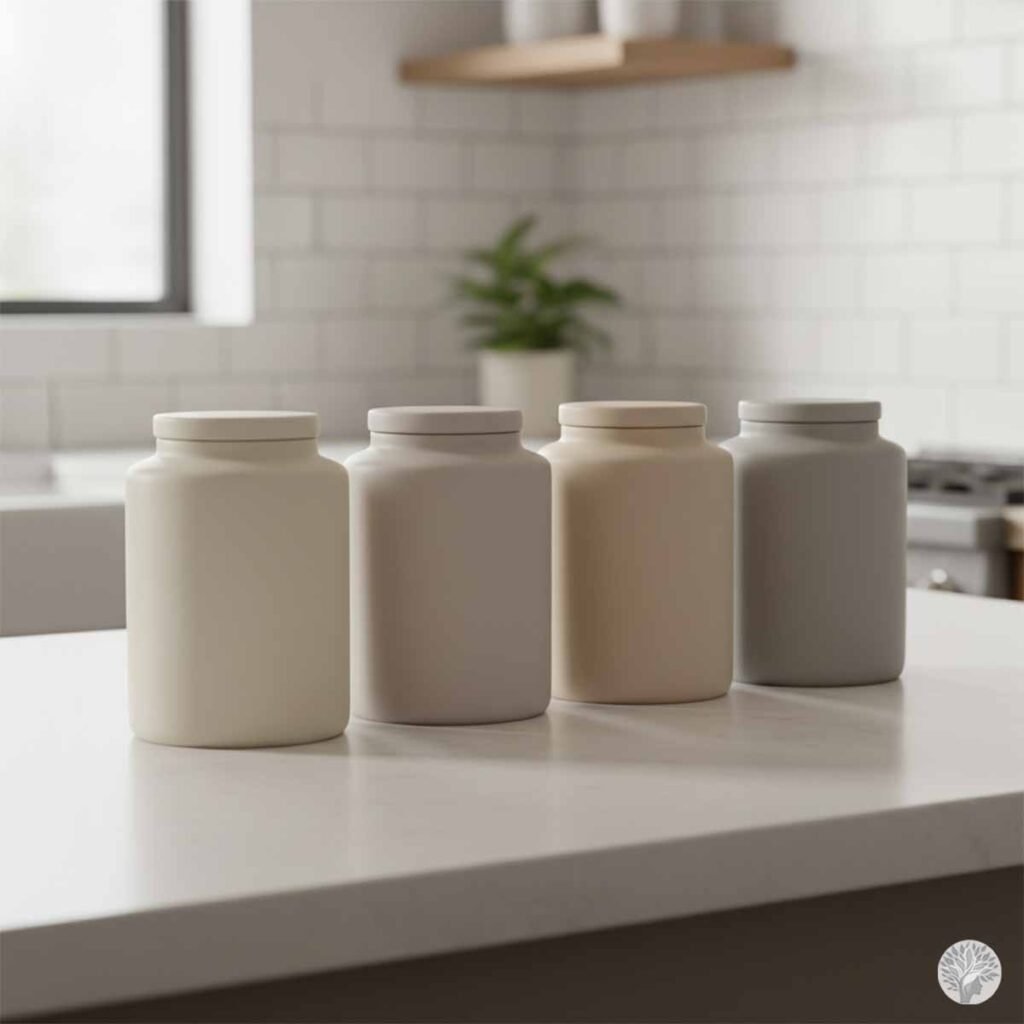
During my own transition to the Hetal Method, I realized that my open shelving was a major source of this biological friction. Every time I walked into the kitchen, my brain was “processing” thirty different spice jars. Switching to opaque, minimalist kitchen canisters like these matte ceramic sets instantly quieted that mental noise. By creating a unified visual field, I gave my eyes a place to land without being forced to “work.”
The Cost of Visual Noise and Friction and Cortisol
When we ignore visual clutter, we aren’t just ignoring a “mess”. We are ignoring a physiological stressor. In the world of motherhood, visual noise acts as a constant, low-level irritant to the nervous system. To understand the true cost, we have to look at two primary factors: The Friction Factor and The Stress Hormone Connection.
The Friction Factor
Visual noise creates “mental friction.” Every time you look for your keys amidst a pile of mail, or move three items to reach the one you actually need, you are paying a “tax” on your energy. This friction slows down your physical movement and speeds up your mental exhaustion. It’s the reason why making a simple grilled cheese sandwich can feel like a Herculean task when the counters are crowded. Your brain has to work overtime to filter out the irrelevant data (the toaster, the pile of school papers, the stray mug) just to focus on the task at hand. This is a direct drain on your Cognitive Load, leaving you with less patience for your children by the time dinner is served.
The Stress Hormone Connection
Research has shown that women, in particular, have a strong hormonal response to household disorder. A messy home environment is linked to higher levels of Cortisol, our primary stress hormone. When your eyes cannot find a place to rest, your body remains in a state of “low-grade hyper-vigilance.” Your brain perceives the clutter as “unfinished business,” which triggers a survival response. You may feel a “short fuse,” a racing heart, or a sudden urge to flee the room, the classic signs that you are being pushed out of your Window of Tolerance.
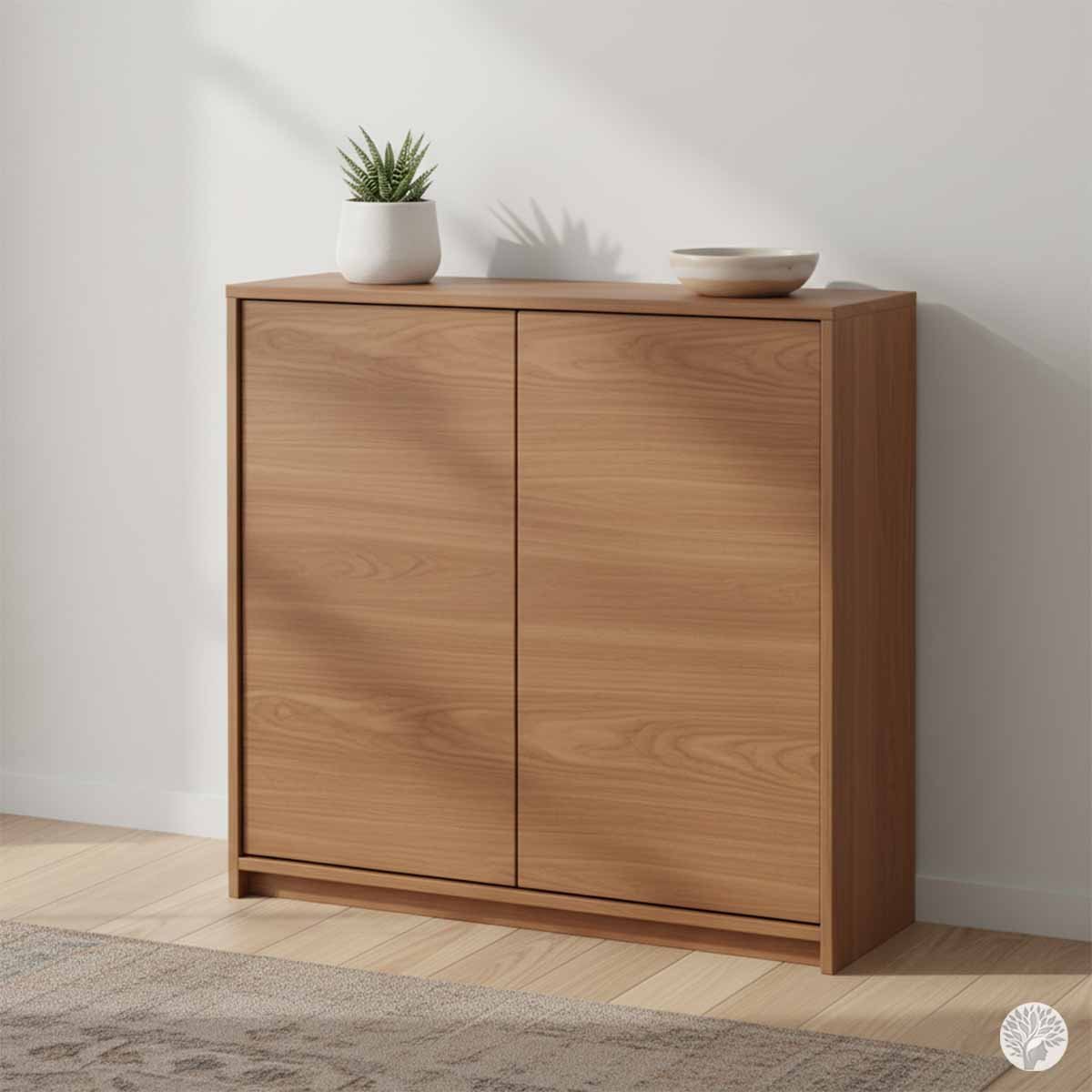
One of the most effective ways to lower this daily cortisol spike is to tackle the “Entryway Friction.” The entryway is often the first thing you see when you come home and the last thing you see when you leave. If it’s a pile of mismatched shoes and bags, your stress levels spike before you even walk through the door. I found that switching to a closed shoe cabinet with sleek, flat doors like this minimalist wooden flip-down cabinet instantly removed that visual trigger. By hiding the “shoe chaos,” I created a transition zone that signals to my brain: You are safe. You are home. You can rest.
The Sanctuary Surface Guide of Visual Silence & The Hetal Method
In the Hetal Method, we don’t aim for a showroom-perfect house; we aim for Visual Silence. This is the intentional creation of “quiet zones” where the brain is permitted to stop processing data. When you are surrounded by the loud hum of motherhood such as toys, laundry, school forms. Your brain needs a physical place to “land” and reset. We achieve this through the Sanctuary Surface.
What is a Sanctuary Surface?
A Sanctuary Surface is one high-traffic area in your home usually a kitchen island, a coffee table, or a sideboard that is declared a “No-Fly Zone” for clutter. It is a space that remains 90% clear at all times. This isn’t just about aesthetics; it is a neurological tool. When you walk into a room and see a clear, open surface, your brain receives a “safe” signal. It stops the frantic search for “what needs to be done next” and allows you to breathe.
How to Pick Your First Sanctuary Surface
If you try to clear the whole house at once, you will trigger Cognitive Overload. Instead, follow these three steps:
- Identify the “First Sight” Spot: Choose the surface you see first when you wake up or walk into the main living area. This is where your day’s “Mental Load” usually begins.
- The 2-Item Limit: A Sanctuary Surface doesn’t have to be empty, but it must be intentional. Limit it to two items that bring you peace perhaps a single vase or a candle.
- The “Sweep” Ritual: Twice a day (usually during your Morning Anchor and your evening reset), clear this surface completely. Moving the “noise” off this one area provides an instant hit of dopamine and a sense of control.
When I designated my coffee table as my first Sanctuary Surface, I realized I needed a way to quickly “sweep” the inevitable daily clutter into a hidden spot. I started using a large, low-profile decorative tray with high sides like this minimalist wooden lacquer tray.
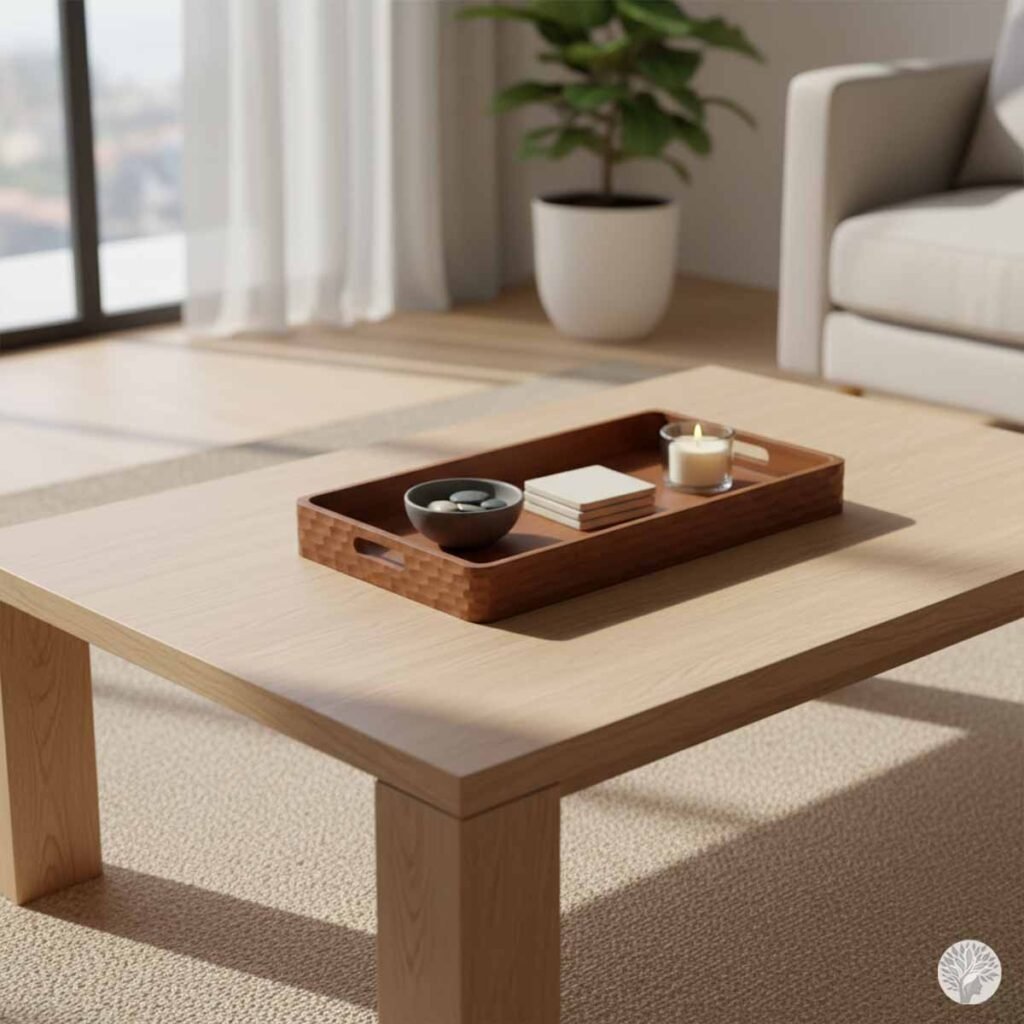
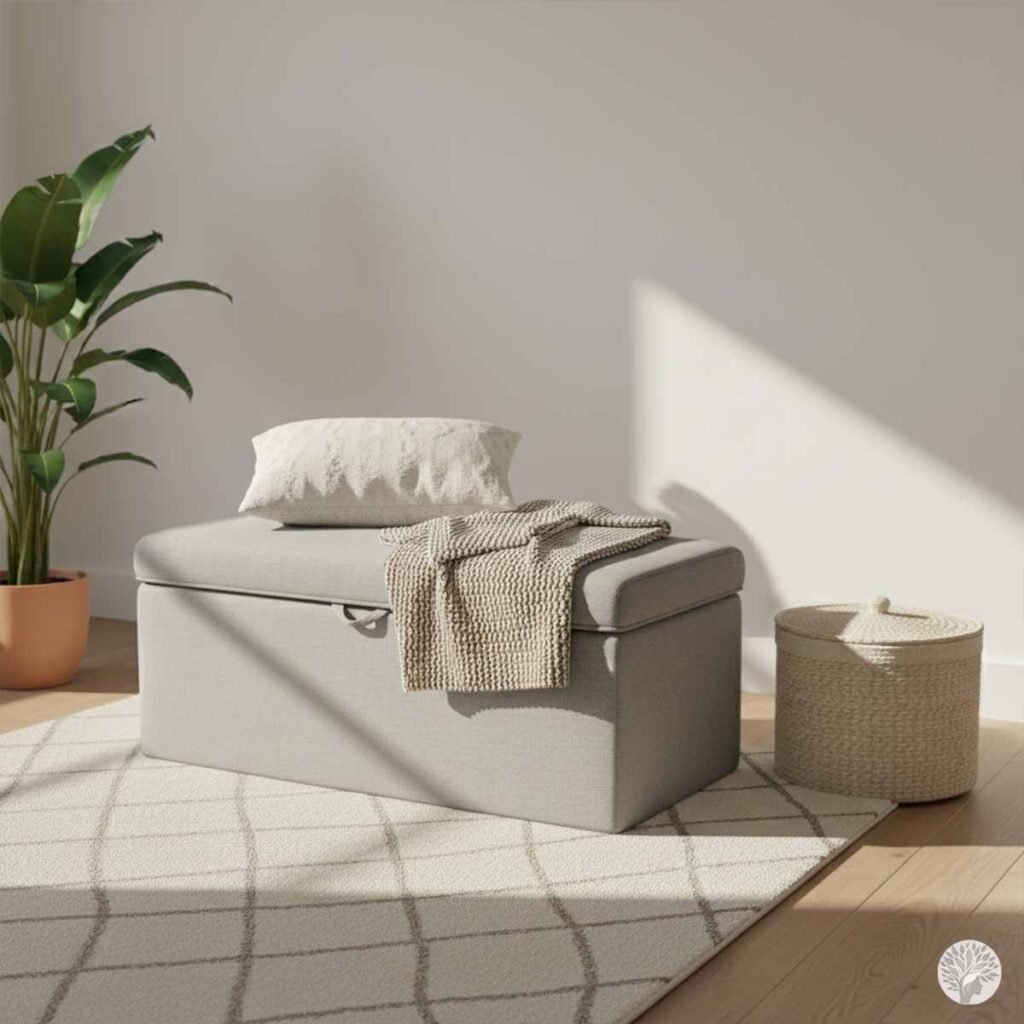
Instead of things scattering across the table, they stay contained. For items that need to be “hidden” entirely, I keep a lidded storage ottoman like this linen-textured bench near the window. It’s the perfect “holding zone” for toys and blankets, allowing the room to return to Visual Silence in under sixty seconds.
The “Hidden Storage” Strategy and Room-by-Room Solutions
To achieve true Visual Silence, we must move beyond the idea of just “organizing” and move toward “concealing.” In the Hetal Method, we prioritize Closed Storage. If your brain can see the contents of a bin, it is still working. To give your mind a true break, we want to create a unified, calm visual field.
Silencing the Heart of the Home – The Kitchen
The kitchen is often the highest-load room in the house. It is filled with varying textures, colors, and small appliances that act as “visual shouting.”
- The Appliance Garage: Whenever possible, tuck appliances like toasters and blenders inside a cabinet. If you must keep them out, choose a unified color palette to reduce contrast.
- Opaque Pantry Bins: Instead of clear plastic that shows every half-empty bag of pasta, use solid baskets.
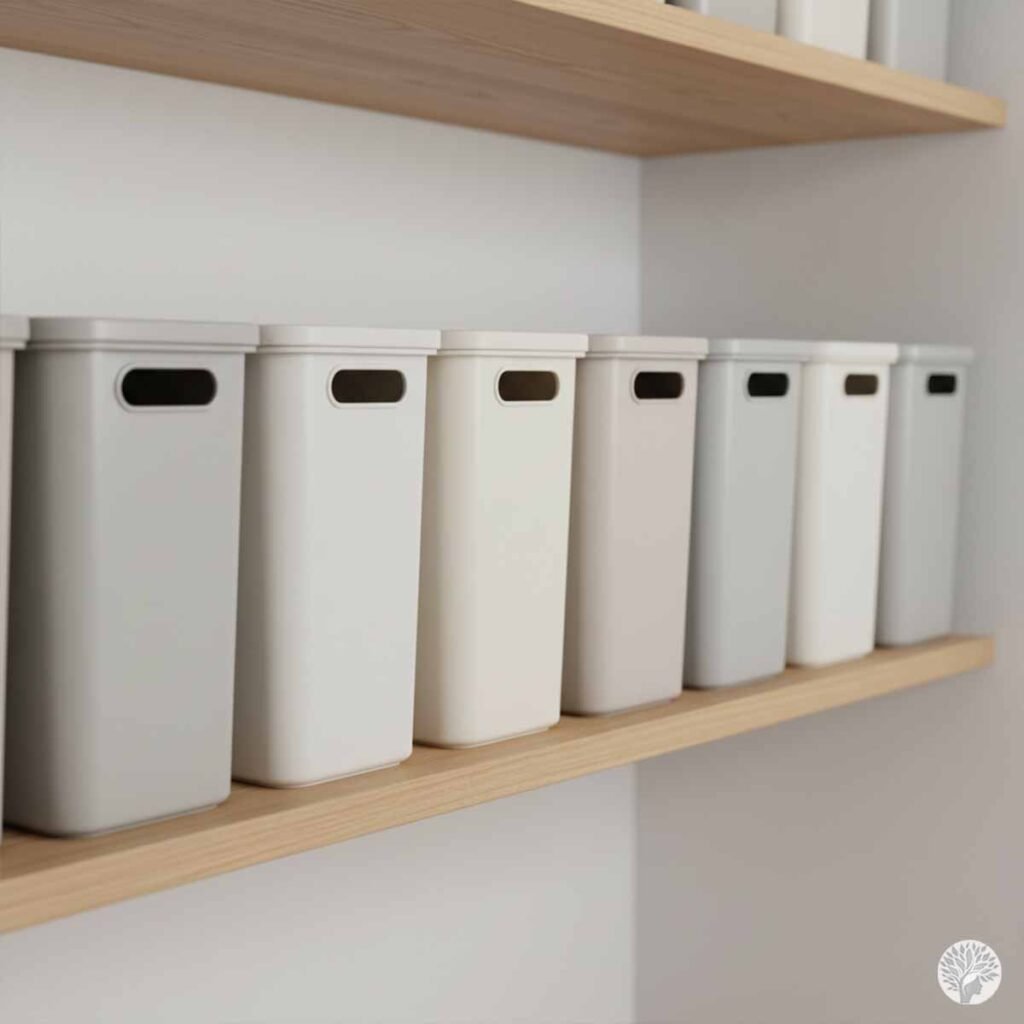
For the pantry, I transitioned away from clear containers because seeing the “half-empty” status of every box kept my brain in a constant state of inventory tracking. I replaced them with solid, matte white plastic bins with integrated handles like these deep, wipeable pantry organizers. They create a uniform white wall that instantly calms the eyes.
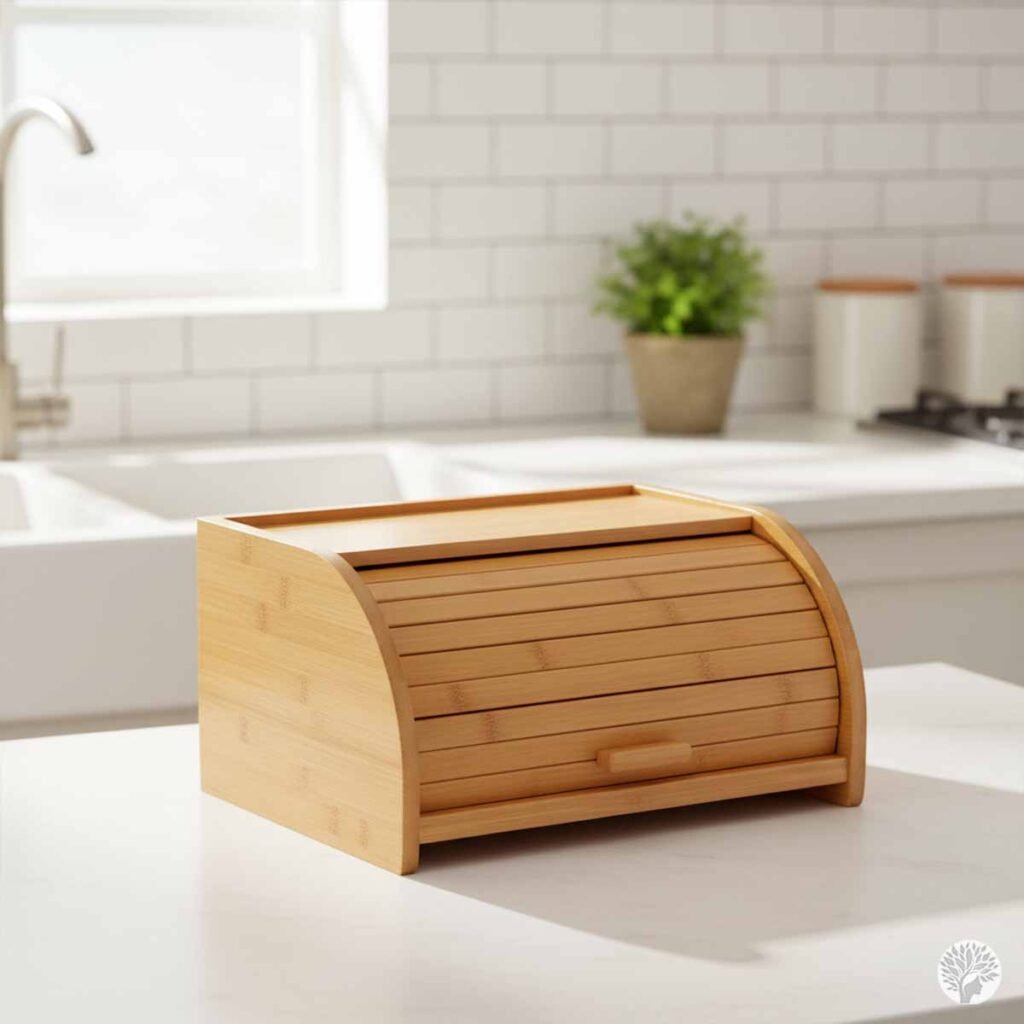
On the counters, I recommend a minimalist bamboo bread box with a roll-top like this large-capacity wooden bin. It’s the perfect “hidden zone” for bread bags and supplements that usually clutter the island, keeping them accessible but invisible.
Managing the “Toy Tsunami” in The Living Room
The living room should be your sanctuary, but it’s often a battlefield of primary colors.
- The “Five-Minute” Basket: Keep one large, beautiful basket in the corner. This is for the “active” toys that don’t need a permanent home yet.
- Closed Media Consoles: Avoid glass-front cabinets where wires and game consoles are visible. Choose solid doors to create a clean line.
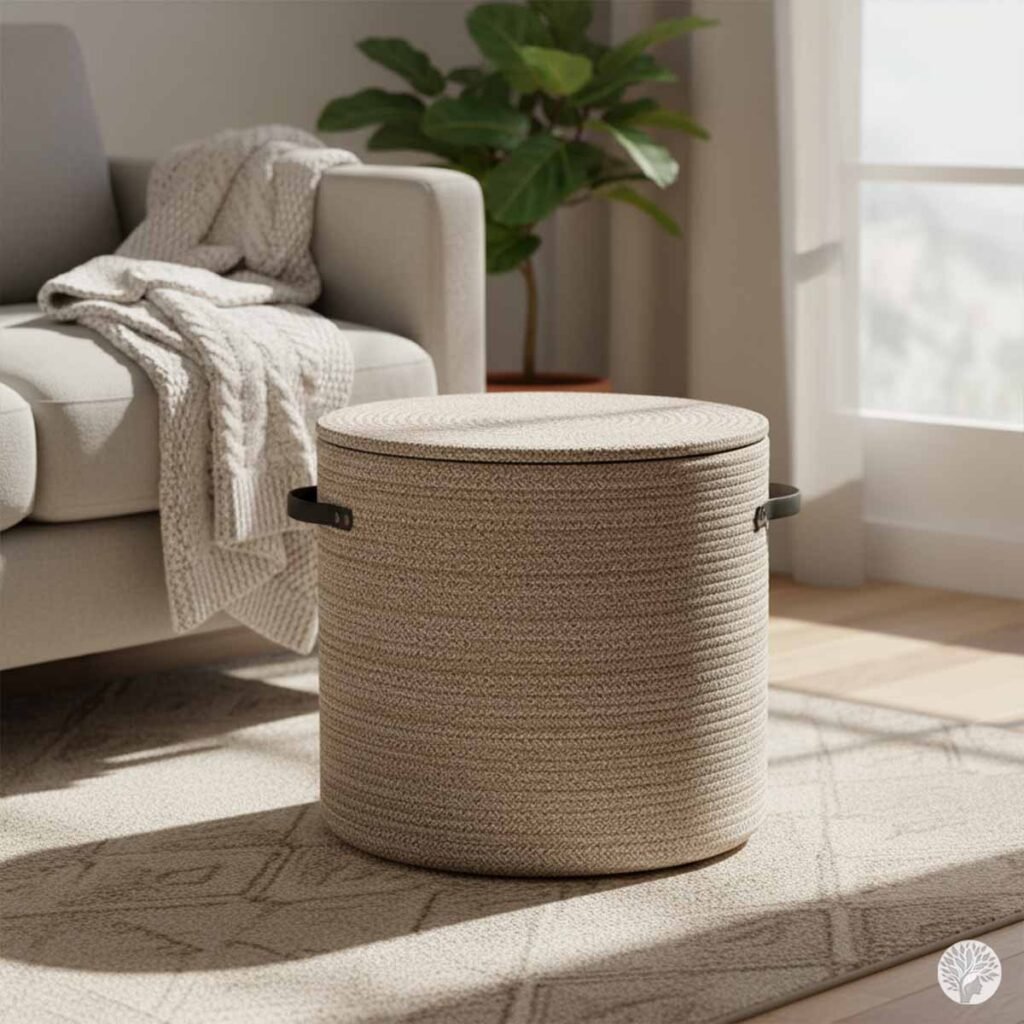
If you have a collection of throws or kids’ blankets, don’t drape them over the sofa. It creates visual jaggedness. Instead, use a lidded cotton rope basket like this extra-large floor basket with a lid. It hides the mess while adding a soft, natural texture to the room.
Mastering the “Landing Strip” – The Entryway
This is your transition zone. If it’s messy, you carry that stress into the rest of the house.
- The Drop Zone: Use a small, beautiful bowl or tray for keys and mail.
- Hidden Shoe Storage: Open shoe racks are one of the biggest sources of visual noise.
To eliminate the “shoe pile” micro-stress, I swear by a slim-profile shoe cabinet like this modern 3-tier flip-drawer unit. It’s only a few inches deep, making it perfect for narrow hallways, and it completely hides the visual chaos of everyday footwear.
Mistakes to Avoid (The “Pinterest Trap”)
When we start our journey toward Visual Silence, it’s easy to get swept up in aesthetics over function. Here are the common pitfalls:
- Prioritizing Texture Over Utility: As we just noted, avoid materials like seagrass or wicker in high-moisture/high-grease areas like the kitchen or bathroom. They look beautiful in photos, but they are impossible to keep clean in a “real” home.
- Open Shelving for Everything: Open shelving is a visual demand. Unless you are displaying a unified set of white plates, keep your daily-use items behind closed doors.
- The “Just in Case” Sightline: We often keep things “out” because we’re afraid we’ll forget to use them. This is a form of Mental Tab Fatigue. Trust your systems (like your Morning Anchors) so you can tuck items away without losing them.
In the kitchen, opacity is still the goal, but cleanliness is king. Instead of clear bins or dust-trapping baskets, I recommend opaque, BPA-free plastic bins with built-in handles like these sleek, solid white pantry organizers. They give you that “unified look” of Visual Silence, but you can throw them in the dishwasher when life gets messy.
The 5-Minute Visual Reset
When your Window of Tolerance is shrinking at the end of a long day, the last thing you want to do is a “deep clean.” The Visual Reset is a micro-practice designed to restore your home to a “resting state” in under five minutes.
- The “Sweep” Method: Don’t worry about deep organization. Take a laundry basket and “sweep” everything off your Sanctuary Surface that doesn’t belong there.
- Face the Labels Away: A quick Hetal Method hack. If you have items on a shelf that aren’t in bins, turn the labels toward the wall. Removing the “text” from your visual field instantly lowers the Extraneous Load.
- The Sink Anchor: Clear the visual noise of dirty dishes. Even if you don’t wash them all, stack them neatly inside the dishwasher or a hidden basin so the counter looks clear.
FAQ – Your Visual Decluttering Questions Answered
To help you navigate the shift from “organized” to “silent,” here are the most common questions moms ask when starting the Hetal Method.
- How do I reduce visual clutter without getting rid of everything? Visual decluttering isn’t about getting rid of your belongings; it’s about managing their visibility. Use closed storage (like cabinets or opaque bins) to hide the items you aren’t using right now. The goal is to give your eyes a place to rest, not to live in an empty house.
- What is the “Transparency Trap”? This is the mistake of using clear storage bins for everything. While they help you “find things,” they also force your brain to constantly “process” every item inside. For mothers with high Cognitive Load, clear bins can actually increase stress.
- How do I handle the “touched-out” feeling through my environment? When you are sensory-overloaded from physical touch, loud visual environments make it worse. By creating Visual Silence, you lower the total sensory input your brain has to manage, which helps you stay inside your Window of Tolerance.
- How do I keep the house calm when my kids and partner aren’t on board? Focus strictly on your Sanctuary Surface. You cannot control the whole house, but you can control one area where your eyes can land. Often, when family members experience the calm of a silent surface, they begin to naturally follow the lead.
The Path to a Calmer Motherhood
You don’t need a perfect home. You need a calmer one. Motherhood is inherently loud. There will always be laundry to fold, toys to step over, and questions to answer. But by intentionally designing your home for Visual Silence, you are giving yourself the greatest gift: the ability to close the mental tabs that are draining your battery.
Remember, when the clutter inevitably returns (because life is beautiful and messy), don’t spiral. Use your 5-Minute Visual Reset and lean into Messy Mindfulness. You aren’t failing; you are simply managing your capacity. You are the architect of your own peace.
"Creating Visual Silence isn’t about striving for a picture-perfect home; it’s about making a mindful choice to quiet the environment so you can finally hear yourself breathe."
Love ya, stay mindful!
Official Concept Origin: The Mindful Mom Life, 2026.
Status: Foundational Term / Mindful Living Glossary