Archives Glossary

The The Mindful Mom Life (TMML) Glossary is a dedicated space where I explain the deep meaning behind unique terms coined throughout my journey as a digital content creator and a mother to a teenager. My passion for translating real-life experiences into storytelling led me to define specific concepts that protect and support our mental space. If you encounter a term in my articles that feels entirely new or out of the box, it is simply a concept born from this method. I gently request that you explore its definition here first to fully understand its depth, allowing you to carry that peace back into the rest of your reading.

What is Sensory Overload?

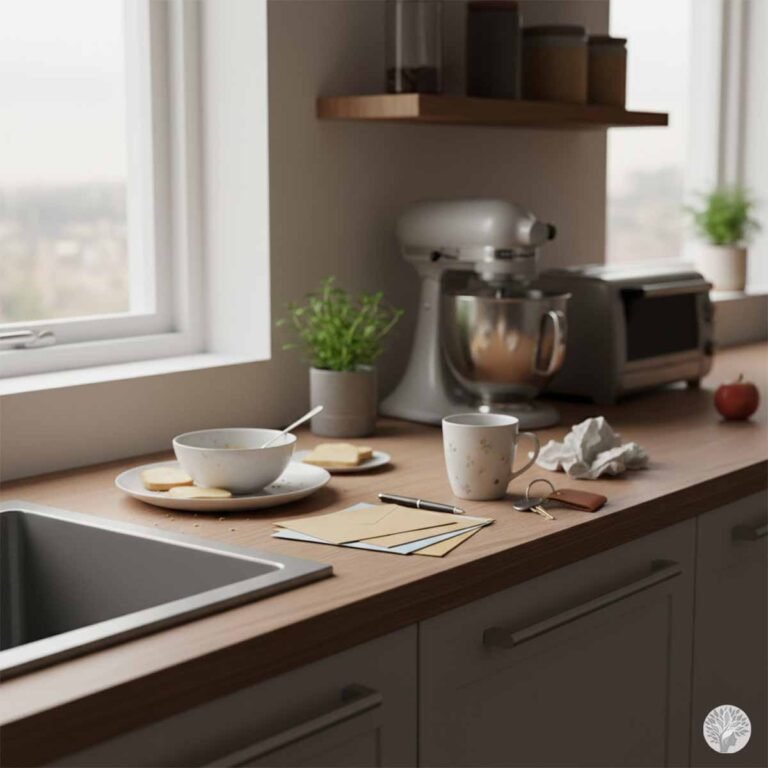
A cluttered wooden kitchen countertop featuring a bowl of cereal, scattered mail, keys, a coffee mug, and a crumpled napkin next to a stand mixer and toaster. Large windows in the background provide soft natural light, illustrating the "Visual Shouting" that contributes to sensory overload in a home.

Sensory overload in mothers occurs when daily inputs like noise, clutter, and constant demands overwhelm the brain. This leads to irritability, fatigue, and emotional reactions that feel out of proportion. By reducing sensory input and creating calmer spaces, you can ease mental strain, regain control, and respond with more patience and clarity.

Read MoreWhat is Sensory Overload?

What is Cognitive Load?

A close-up photograph focuses on a person's hands as they chop zucchini and carrots on a clean wooden cutting board. The scene takes place in a minimalist kitchen with a spotless white countertop and a simple ceramic bowl, illuminated by natural morning light.

Cognitive Load explains why your mind feels full even when you haven’t done much physically. When too many thoughts, tasks, and decisions compete for attention, your brain becomes overwhelmed. By reducing distractions and simplifying routines, you can lower mental load, feel more focused, and move through your day with greater calm and clarity.

Read MoreWhat is Cognitive Load?

What is The Hetal Method?

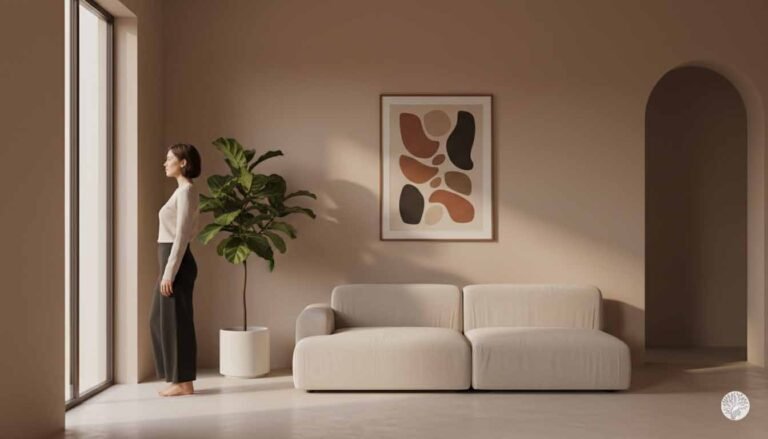
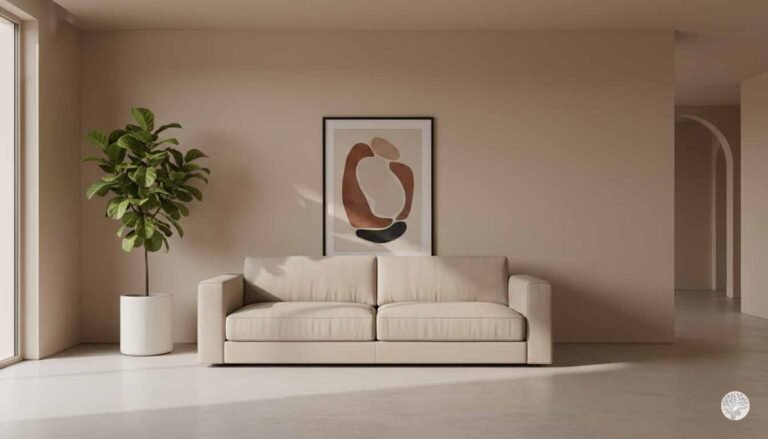
A woman standing peacefully in a minimalist, earth-toned living room, looking out a large window. The room features a low-profile cream sofa, a large fiddle leaf fig plant, and abstract art on a warm beige wall, perfectly illustrating the Hetal Method's principles of visual silence and environmental curation.

The Hetal Method helps you create a calm home by focusing on your energy, your environment, and your daily rhythm. Instead of constant reacting, you build simple habits that reduce mental load, clear visual noise, and create space for peace, helping you feel more present, grounded, and in control every day.

Read MoreWhat is The Hetal Method?

What is Negative Space?

A simple, rustic white ceramic pitcher holding a single green leaf, sitting on a natural wood surface against a large, textured off-white wall with plenty of negative space, creating a calm and minimalist home environment.

Negative Space helps your home feel calm by creating intentional empty areas that give your mind a place to rest. When your space is not filled with constant visual input, your brain relaxes, your stress reduces, and your home becomes easier to manage, focus in, and experience with a sense of peace.

Read MoreWhat is Negative Space?

What is Psychological Buffer?

A woman seen from behind with her dark hair in a casual bun, wearing a cream-colored knit sweater, looking out of a large glass door toward a misty mountain forest. She has one hand placed gently over her heart, standing in a brightly lit, minimalist home entryway with a Monstera plant and a wooden coat rack nearby.

A Psychological Buffer helps you pause before reacting. It creates space between stress and response, allowing you to stay calm and think clearly. By building this inner buffer, you reduce emotional overwhelm, handle daily challenges with more patience, and respond with intention instead of reacting impulsively in busy, unpredictable moments at home.

Read MoreWhat is Psychological Buffer?

What is Messy Mindfulness?

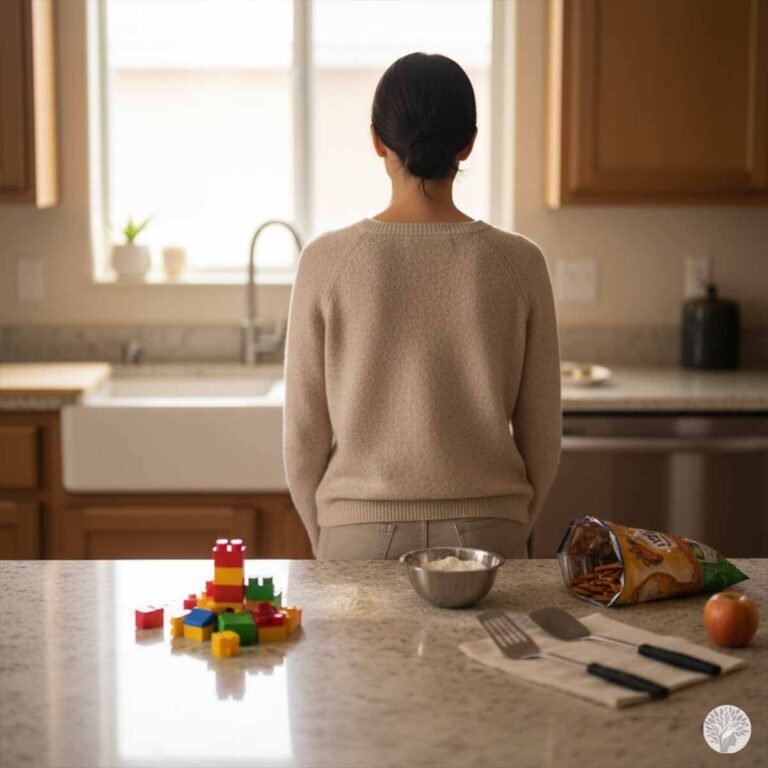
A woman seen from behind, standing in a kitchen with a small pile of colorful building blocks, a bowl of flour, and an open bag of pretzels on the counter, representing the practice of Messy Mindfulness.

Think of Messy Mindfulness as your "emotional umbrella." You can’t always stop the rain (the tantrums, the spills, the busy schedule), but you can choose not to get soaked by the stress of it. It’s the permission to be "Zen-ish." It’s realizing that a sticky floor doesn’t mean you are a bad mom, and a loud house doesn’t mean you have a loud soul. It is the art of breathing through the chaos instead of waiting for it to end.

Read MoreWhat is Messy Mindfulness?

What is Visual Silence?

A close-up view of a minimalist, light wood nightstand beside a neatly made bed. The surface holds only a single modern lamp casting warm light and a closed, linen-covered journal, illustrating the restoration found in Visual Silence.

Think of your brain like a web browser with 50 tabs open. Every toy on the floor and every crumb on the counter is a "tab" running in the background, draining your battery. Visual Silence is the act of hitting "Close All Tabs." It isn’t about having a "perfect" house; it’s about having a "quiet" mind. It is the deep, physical exhale you feel when you walk into a quiet room where your eyes can finally stop "working" and your soul can finally start breathing.

Read MoreWhat is Visual Silence?
Follow on WhatsApp Channel Follow
Privacy Overview

This website uses cookies so that we can provide you with the best user experience possible. Cookie information is stored in your browser and performs functions such as recognising you when you return to our website and helping our team to understand which sections of the website you find most interesting and useful.