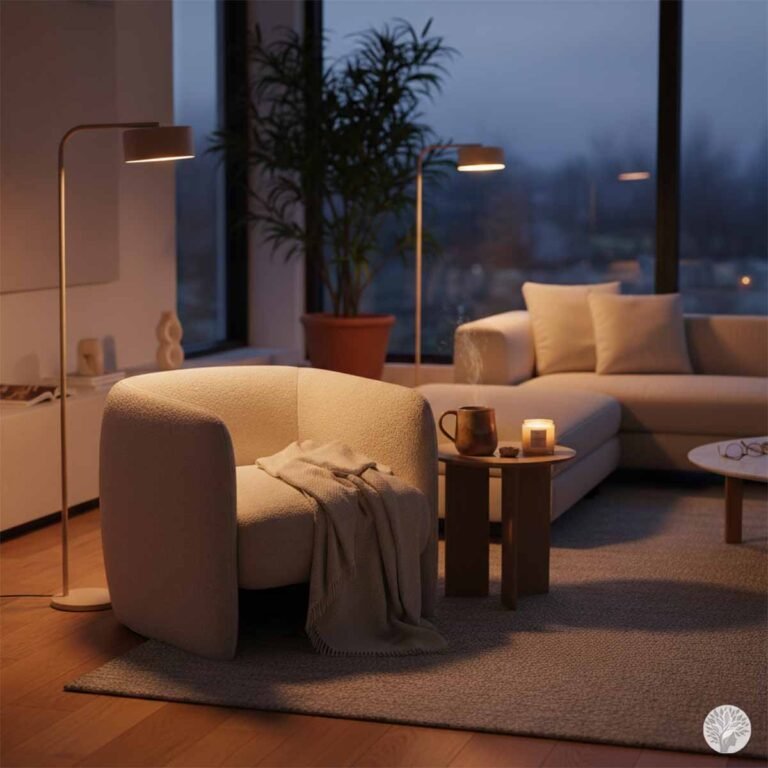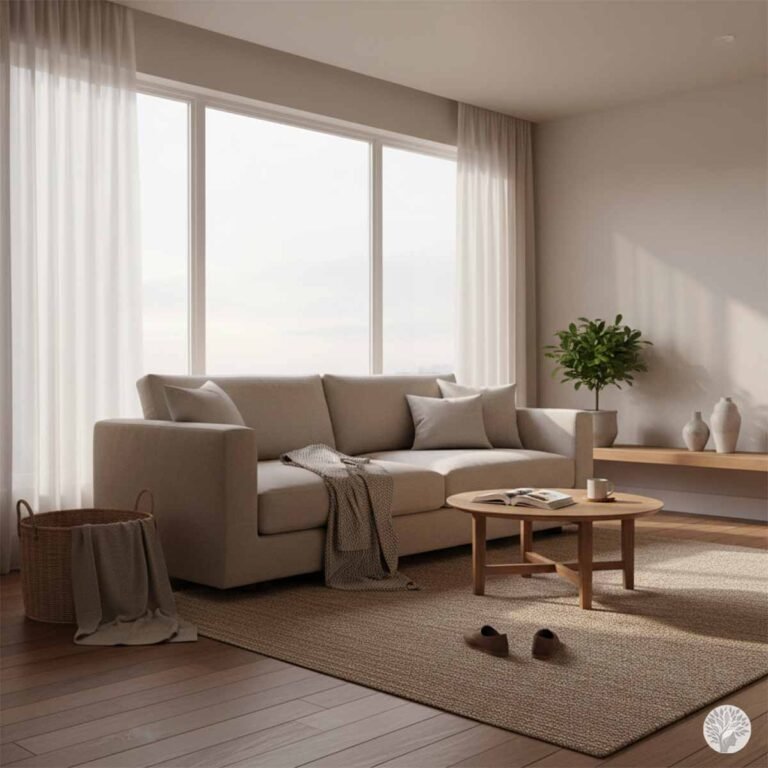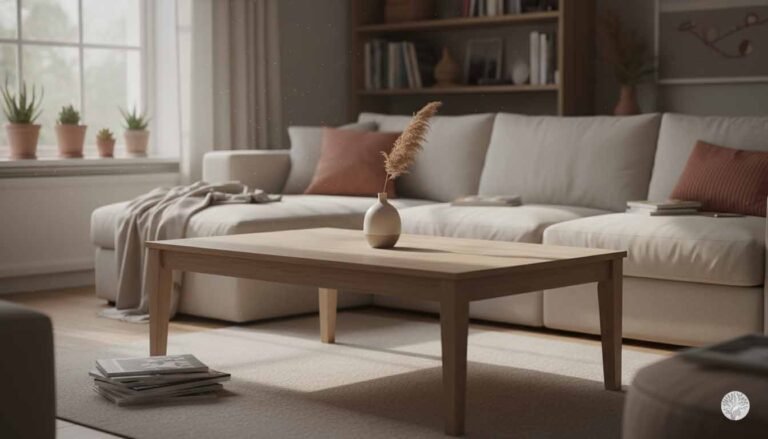

Hey Beautiful!
The kitchen looks clean, but your mind is still vibrating.
You stand by the counter, the dishes stacked away and the surfaces wiped down, yet your shoulders are pinned to your ears. There is a sharp, chemical sting of synthetic lemon bleach hanging in the air, a primary-colored plastic dish rack demanding your visual attention, and the low, persistent hum of the refrigerator vibrating through the floorboards.
Statistically, your home is in order. Emotionally, it feels like an active construction zone.
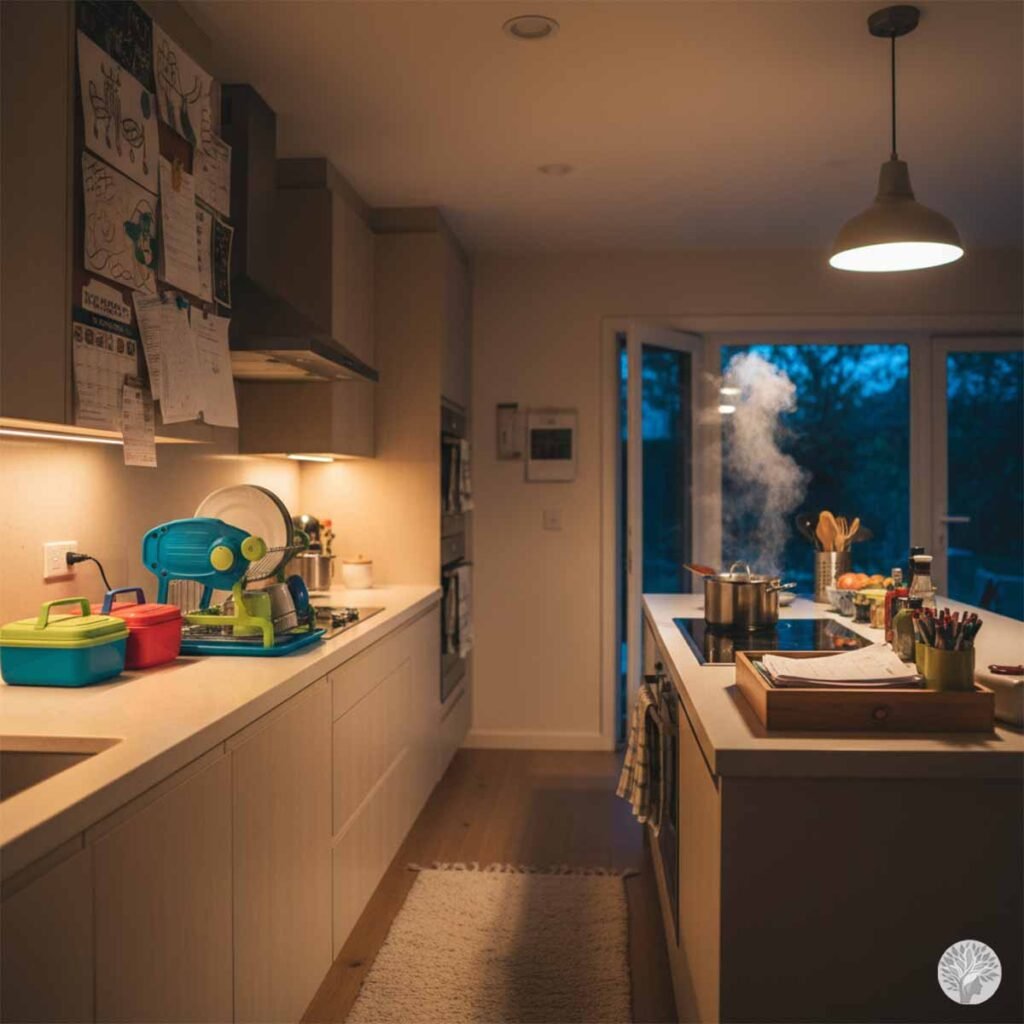
For the modern mother, chronic emotional exhaustion is rarely just a reflection of physical labor. It is the cumulative weight of environmental overstimulation. We have been taught to view homemaking through a singular lens of sanitation and organization which is a relentless checklist of chores completed and chemicals applied. But when your environment constantly asks for your attention, your internal self never fully relaxes.
True cleanliness is not the total absence of dirt; it is the presence of sensory softness.
Your eyes deserve a place to rest too.
This is the hidden reality of the overstimulating house. It is not a personal failure, nor is it a sign that you are inherently incapable of managing your domain. It is a predictable human response to a living space that has been optimized for high performance rather than emotional gentleness. To step out of the heavy loop of deep maternal depletion, we must fundamentally redefine what a peaceful home environment feels like.
5 Tiny Ways to Make Your Home Feel Calmer Tonight
If your home feels stressful right now and you are too exhausted for a major project, start with these five low-effort, immediate sensory adjustments:
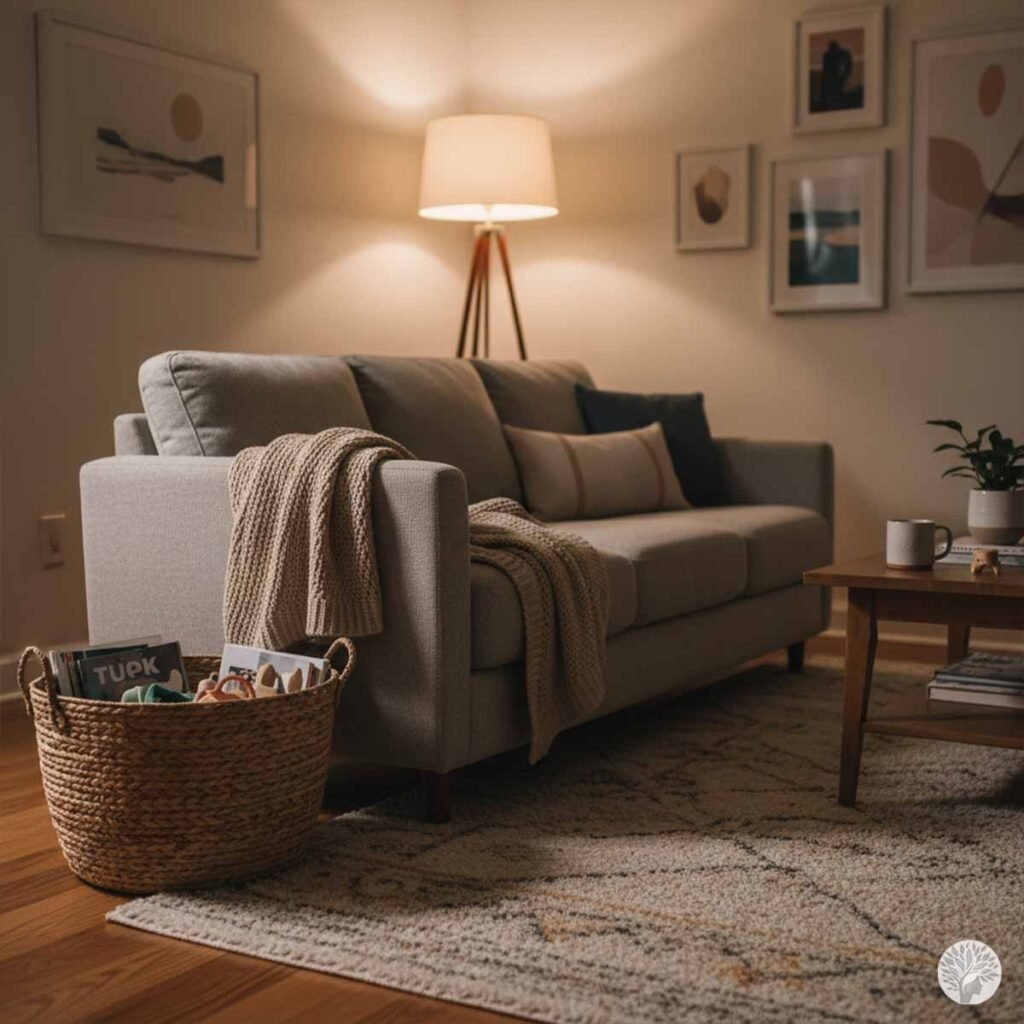
- Turn Off Overhead Lights After Sunset: Switch to low-placed lamps with warm bulbs to signal to your mind that the workspace is closed.
- Hide Visual Static in Opaque Baskets: Don’t waste energy sorting clutter tonight; simply sweep it out of active sightlines.
- Open a Window Instead of Spraying Fragrance: Let fresh air clear daytime odors naturally instead of introducing harsh synthetic perfumes.
- Clear Just One Prominent Surface Before Bed: Give yourself a flat baseline of calm to look at when you wake up tomorrow morning.
- Soften an Echoing Room with Textiles: Throw a plush blanket over a hard chair or lay down a thick rug to instantly quiet the room’s sound texture.
Understanding Your Environmental Load
To cultivate a genuinely calming home environment, we have to look closely at how physical spaces land on our everyday biology. Every object, every scent, and every acoustic texture in a room acts as a silent demand on your attention. If you are already carrying a heavy mental load remembering school schedules, managing family logistics, and holding space for emotional needs a loud physical environment can easily push you into functional paralysis.
When we experience sensory overload at home, it usually boils down to three primary triggers that quietly drain our battery throughout the day:
1. Visual Noise
This is the chaotic static caused by exposed storage, contrasting colors, and surface clutter. When toys, loose mail, and multi-colored product bottles occupy your field of vision, your eyes cannot find a resting baseline. Your mind is forced to map and categorize every single item it sees, burning valuable energy without your conscious consent. Wiping down the tops of dressers and coffee tables eliminates this subconscious stress, creating visual relief.
If you are unsure where the sensory leaks are hiding in your current layout, you can use our quiet Visual Noise Calculator to measure the hidden cognitive weight of your surroundings and identify exactly which surfaces are quietly draining your daily energy.
2. Acoustic Glare
The modern home is filled with hard, reflective surfaces often with polished stone counters, laminate flooring, and uncurtained glass windows. These materials cause everyday sounds to bounce, amplify, and echo. The crash of a dropped spoon or the high-pitched whine of a household appliance doesn’t just happen; it reverberates, striking an already raw emotional space like a physical blow.
3. Olfactory Intrusion
The commercial cleaning industry has conditioned us to believe that health smells like intense artificial chemicals. Heavy synthetic perfumes, aerosol sprays, and chemical deodorizers do not make an emotionally safe home; they act as immediate sensory assaults. A home that smells strongly of industrial manufacturing forces your body to remain on high alert.
By shifting our focus from hyper-vigilant chemical anxiety to intentional environmental gentleness, we stop treating our homes as spaces to be conquered. Instead, we begin creating a calm home for moms and families alike, a sanctuary designed to hold and protect the people inside it.
Rethinking Decorating Rules Through Sensory Psychology
When searching for ways to make a house feel calm, you will often run into rigid design formulas meant to make your home look beautiful or look luxurious on a budget. Traditional interior design focuses heavily on the mathematics of aesthetics. However, when these styling rules are reinterpreted through a sensory lens, they cease to be rigid design restrictions and become practical tools for down-regulating an anxious mind.
| Design Rule | Traditional Focus | Sensory Focus |
|---|---|---|
| 60-30-10 Rule | Visual Cohesion | Lowers Visual Contrast |
| 3-5-7 Rule | Artistic Asymmetry | Groups Clutter Static |
| 2/3 Rule | Spatial Balance | Clears Walking Paths |
The 60-30-10 Rule of Managing Visual Contrast
In design, the 60-30-10 rule dictates that a room should consist of 60% dominant color, 30% secondary color, and 10% accent color. Traditional blogs use this to make a room look cohesive or expensive.
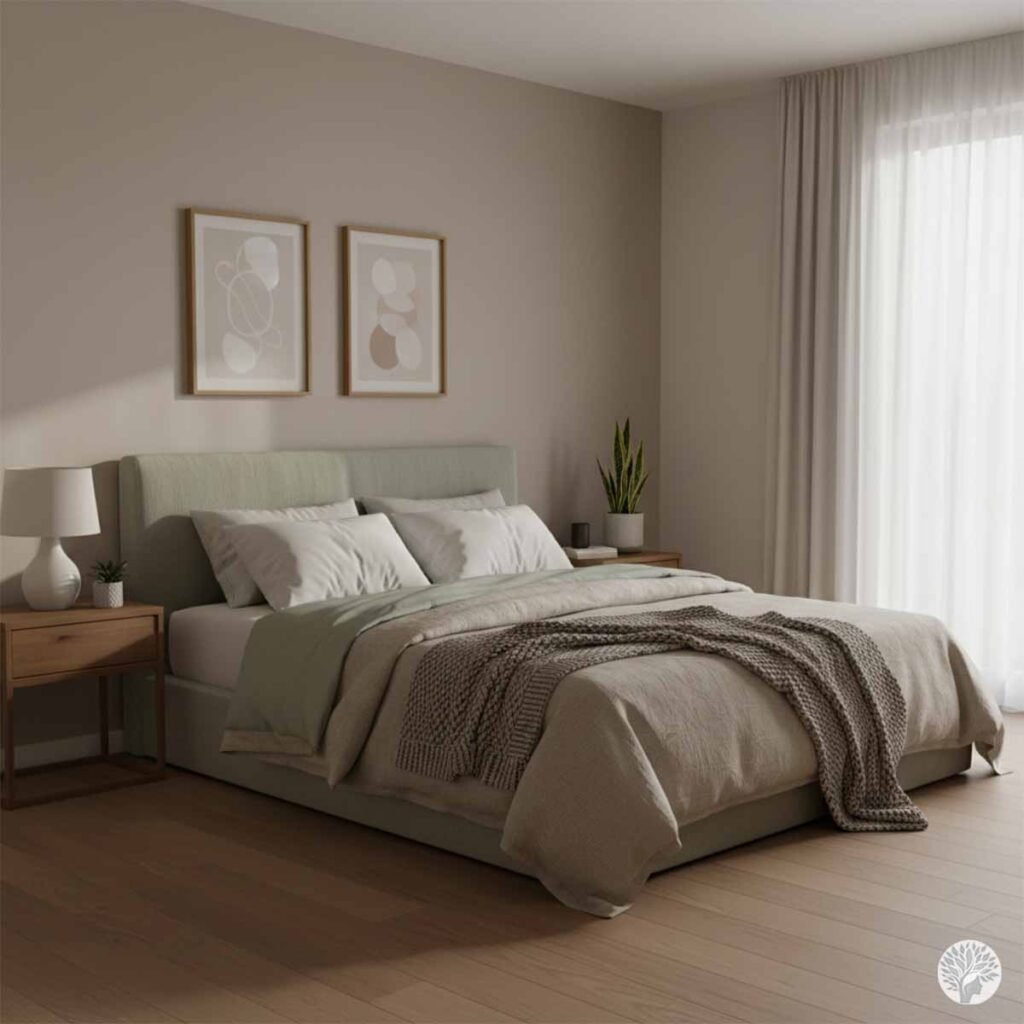
From a sensory perspective, this rule is actually about limiting visual contrast. When a bedroom features highly saturated colors or mismatched, high-contrast patterns, your eyes are forced to jump constantly from one focal point to another. By utilizing low-saturation, muted tones like pale blues, greens, soft beige, or peach for your dominant 60%, you encourage instant visual rest. The 10% accent color should not be a bright, loud neon; it should simply be a natural wood tone or a soft textile that grounds the space without demanding attention.
The 3-5-7 Rule of Subduing the Grouping Static
The 3-5-7 rule states that arrangements of decor items look more appealing when grouped in odd numbers. While standard design guides use this to create visual interest, an unguided execution of this rule often leads to “knick-knack clutter” like shelves packed with tiny, dust-collecting items that create massive cognitive static.
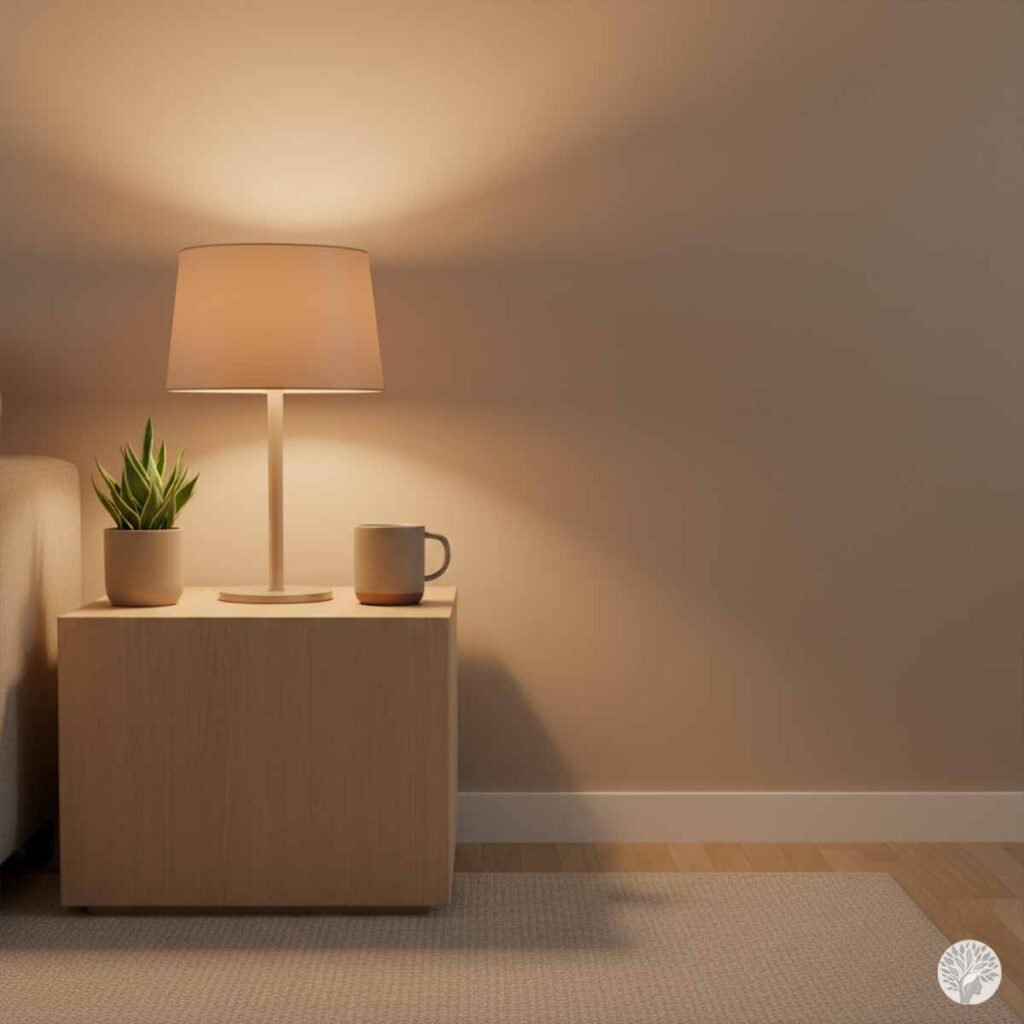
To make this rule work for a calming home environment, use odd numbers to group functional, soothing necessities, not decorative filler. A grouping of three could look like: a single warm-spectrum lamp, a ceramic mug, and a small plant. Avoid grouping high-contrast items; instead, ensure the objects share a common neutral hue. This allows your brain to process the entire group as a single, quiet unit rather than three separate pieces of visual data.
The 2/3 Rule of Preserving Spatial Freedom
The 2/3 rule states that furniture like a sofa or coffee table should take up roughly two-thirds of the length of the wall or space it occupies. Standard design uses this to make a small house look spacious or lay out a living room to look balanced.
For an overwhelmed mother, the 2/3 rule is vital for keeping physical pathways clear. An over-furnished room creates spatial friction, forcing you to navigate tight corners while carrying a laundry basket or balancing a baby. Preserving that remaining one-third of open, negative space gives your home breathing room, allowing energy and movement to flow without physical or visual interruption.
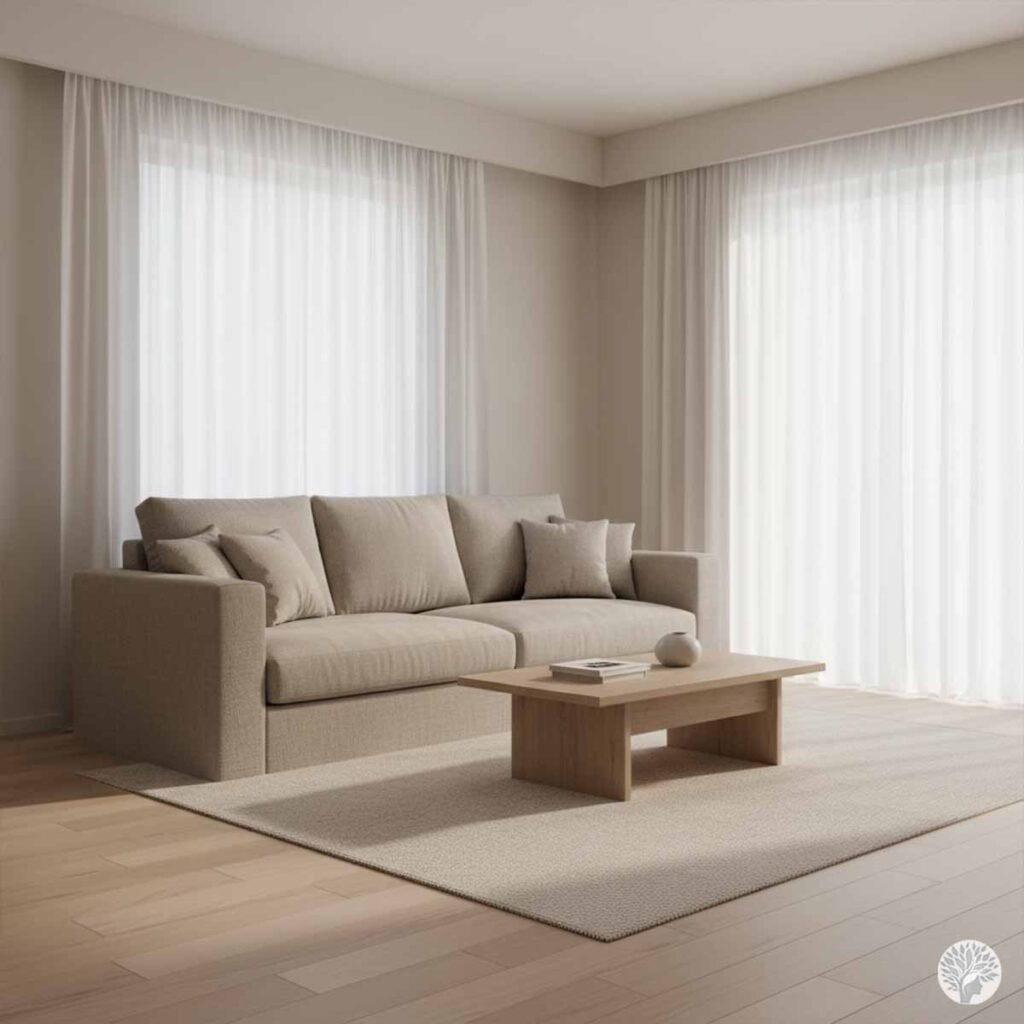
Category 1: Gentle Cleaning Rituals
When you are thoroughly hollowed out at the end of a long day, the last thing your body needs is an intricate, multi-step cleaning framework that requires an extensive stockpile of ingredients. We do not aim for pristine perfection achieved through exhausting labor. Instead, we practice low-effort, low-stimulation resets that focus entirely on ease, safety, and spatial down-regulation.
The Low-Stimulation Kitchen Reset
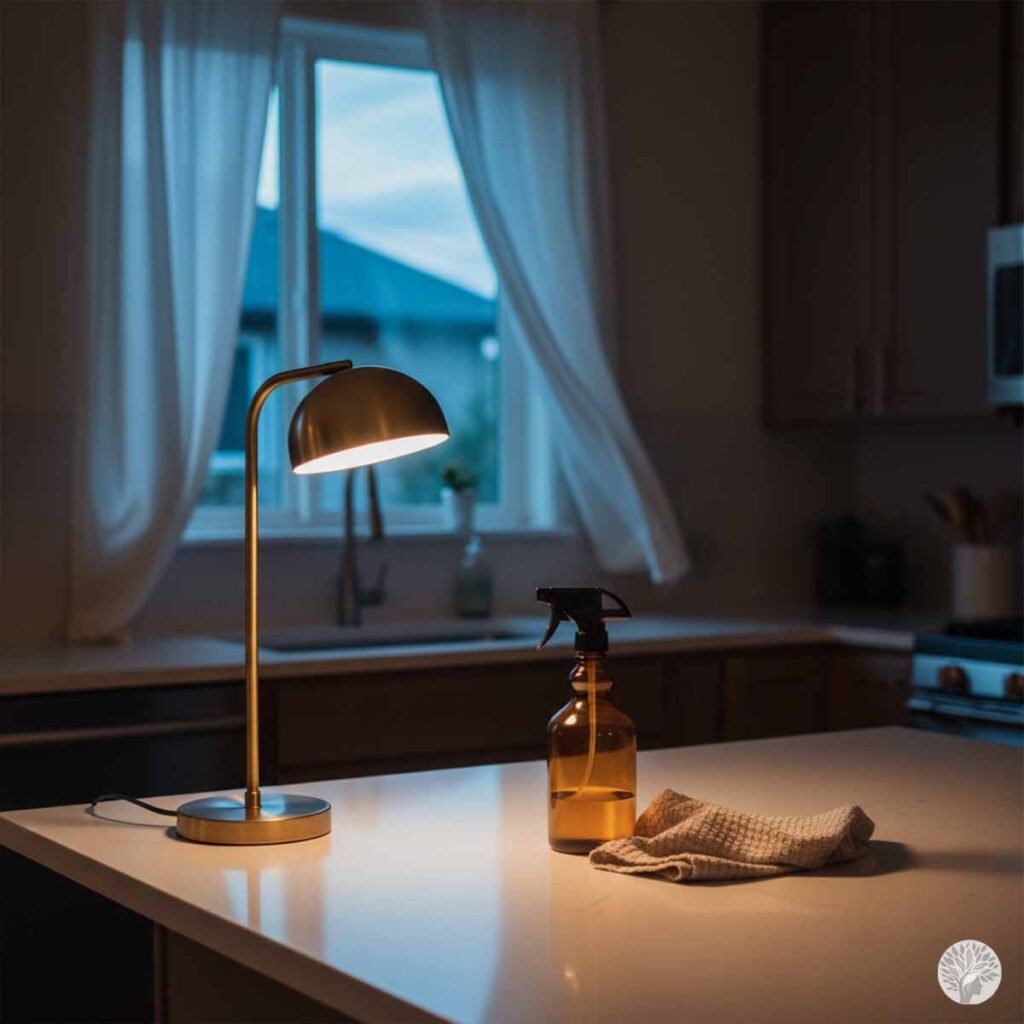
The purpose of this evening ritual is to close down the active workspace of your kitchen without triggering sensory overload.
- Eliminate the Chemical Glare: Put away the conventional, heavily scented aerosol degreasers and counter sprays. Instead, fill a single glass spray bottle with warm water and two tablespoons of unscented liquid Castile soap. This formulation offers a completely neutral olfactory profile, cleaning effectively without filling your workspace with synthetic perfume clouds.
- The Soft Baking Soda Polish: For stubborn, burnt-on food or sink stains, skip the harsh abrasive creams that require intense physical scrubbing. Lightly dust the surface with plain, unperfumed baking soda, mist it with your gentle Castile soap spray, and let it sit for three minutes. Wipe it away with a soft, damp cloth. The process is quiet, low-effort, and entirely non-toxic.
- Natural Air Exchange: Instead of masking cooking odors with heavy room sprays, open a window for just five minutes immediately after dinner. Allow the natural breeze to clear the air, restoring a fresh baseline to the room before you transition into rest mode.
The Minimalist Multi-Surface Spray
You do not need a dedicated plastic bottle for every individual surface in your home. Streamlining your ingredient supply instantly reduces visual decision fatigue.
- The Recipe: In a 16-ounce amber glass spray bottle, mix 1 cup of distilled water, 1 cup of plain white vinegar, and the fresh peels of one organic orange or lemon. Let the mixture infuse in a dark cupboard for one week before use.
- The Application: Use this single formulation to wipe down dining tables, glass surfaces, and windows. The natural acidity of the vinegar cuts through daily film effortlessly, while the citrus oils provide a very faint, grounding scent that dissipates quickly, leaving behind nothing but true, quiet cleanliness.
Category 2: Calm Home Rhythms
A calming home environment is not created by a single deep-cleaning weekend; it is sustained by protective daily rhythms that prevent sensory overload from building up in the first place. These rhythms are designed to be low-effort, realistic, and deeply comforting to an anxious mind.
The Post-Dinner Visual Silence Routine
Visual noise acts as a constant, unread text message to your brain. This 5-minute evening routine is designed to cultivate flat baselines of peace before you go to bed.
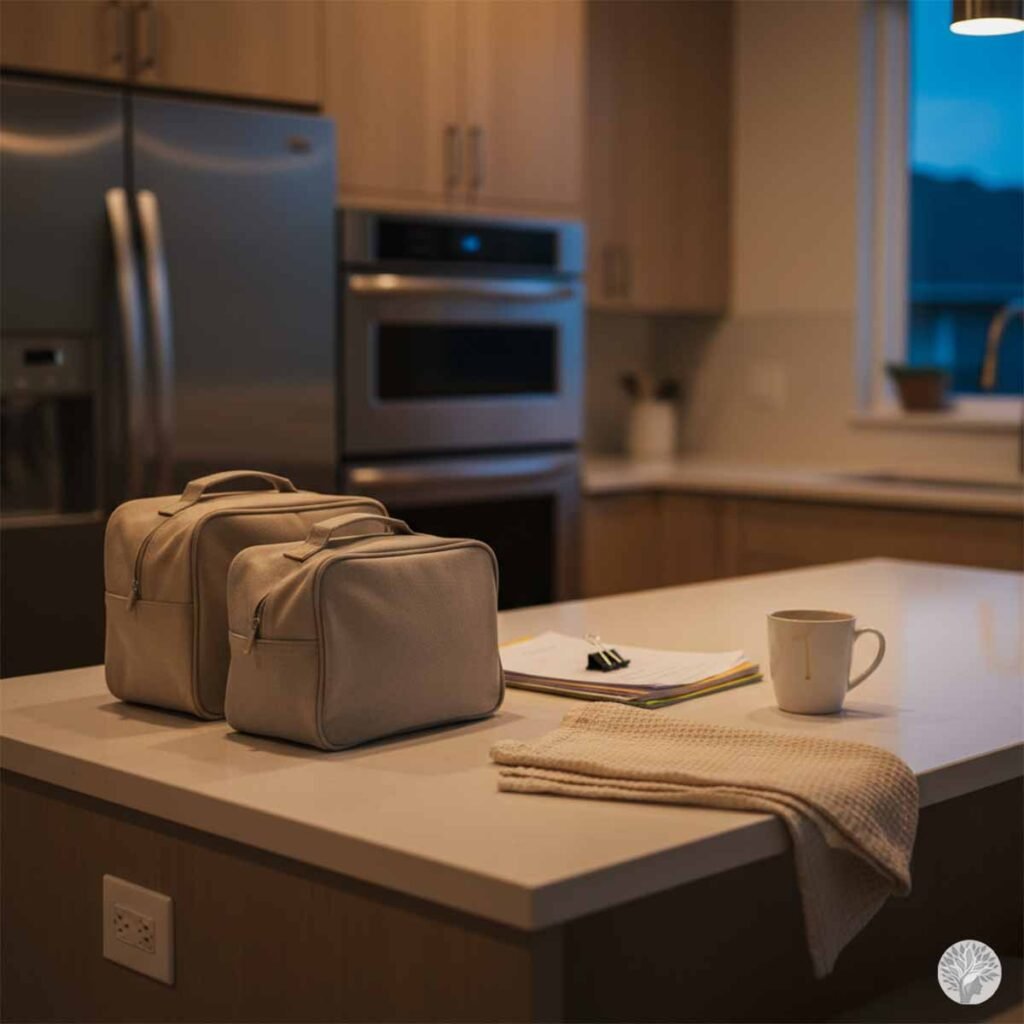
- Clear the High-Frequency Surfaces: Focus exclusively on open, prominent surfaces of the kitchen island, the dining table, or the living room coffee table. Move any out-of-place items into a single, opaque basket out of direct line of sight. Do not spend time sorting, folding, or organizing them tonight. Simply contain them visually.
- The Opaque Container Rule: Primary-colored plastic items, mismatched soap dispensers, and branded product labels introduce massive visual static into a room. Transition your daily essentials into uniform glass, ceramic, or wooden containers. By hiding bright, commercial graphics behind calming neutral textures, you instantly lower the ambient stimulation of your space.
A calm home is not always a silent one; it is a space where your senses can filter the world at their own pace.
Evening Scent and Lighting Transitions
Just as your body requires a down-regulation period before sleep, your physical home requires a transition from its daytime operational state into its evening restful state.
- Soften the Glow: At sunset, turn off all harsh, overhead fluorescent lighting fixtures. These bright lights mimic midday sun, keeping your cortisol levels elevated and your mind on alert. Switch instead to low-placed lamps with warm amber bulbs ($2700\text{K}$ or lower) and install dimmers to mimic candlelight. Layering your light with accent lamps around the room creates cozy, intimate zones rather than even, blinding brightness.
- Grounding Scent Transitions: If you choose to use aromatherapy in the evening, avoid high-energy, invigorating scents like peppermint or citrus. Opt for an essential oil diffuser or natural soy candles to add grounding, wood-based oils like sandalwood, cedarwood, or lavender to the space. Keep the diffusion minimal. One or two drops is plenty to gently anchor the air and mask outdoor street noise without overwhelming the senses.
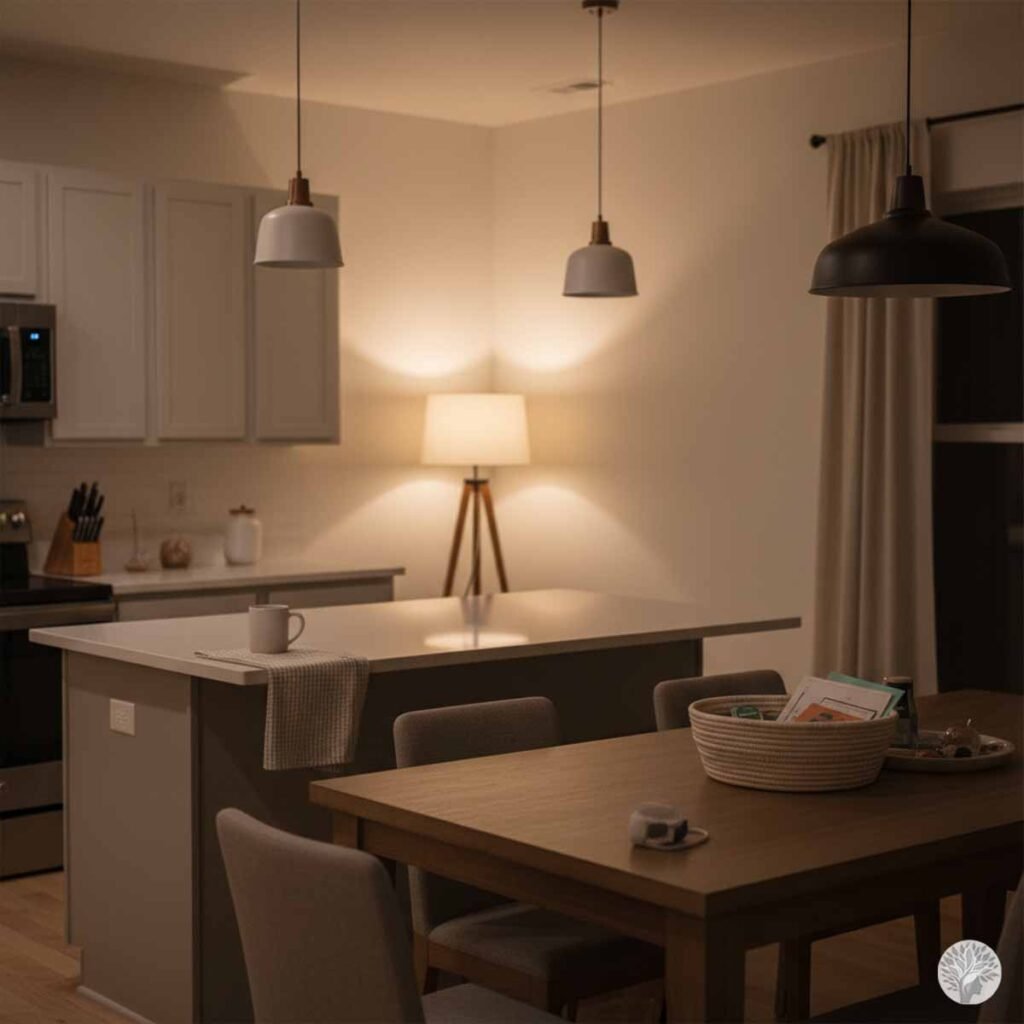
Category 3: Sensory Swaps
To build true long-term environmental gentleness, we must look beyond daily cleaning products and evaluate how the structural choices inside our rooms impact our health and state of mind. By making intentional sensory swaps, we can transform vulnerable spaces into resilient therapeutic sanctuaries.
The Bathroom Sanctuary Layout
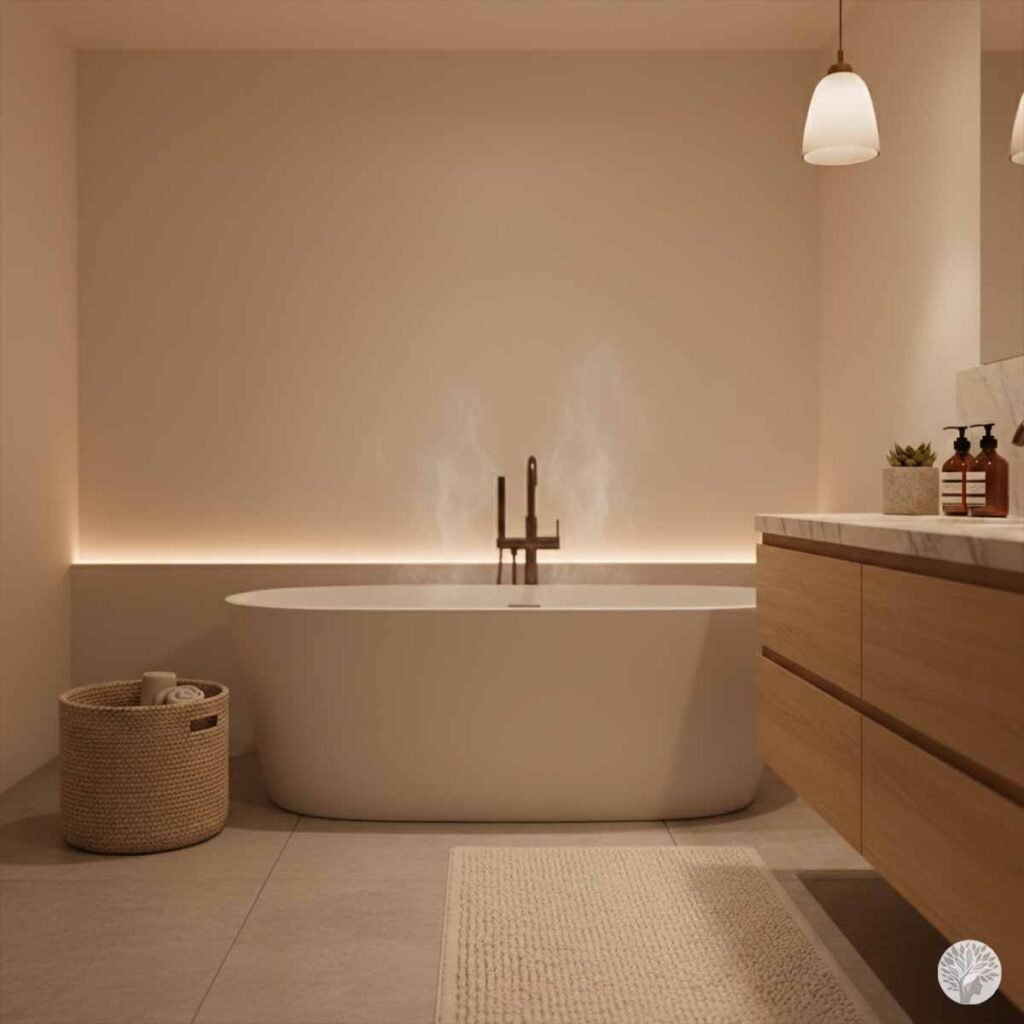
The bathroom is a space where mothers frequently experience sensory overload like hard surfaces echo the sound of running water, bright mirrors magnify lighting glare, and shelves are crowded with personal care items.
| Current High-Stimulation Setup | The Gentle Sensory Swap | The Sensory Benefit |
| Harsh overhead lighting glare | Warm amber bulbs or candlelight | Lowers eye strain and calms the internal stress response. |
| Mismatched plastic bottles | Uniform amber glass dispensers | Removes commercial branding and visual noise. |
| Exposed open metal shelving | Opaque woven or fabric baskets | Conceals small items to create clean sightlines. |
| Bare tile and stone surfaces | Thick, organic cotton bath mats | Absorbs bouncing sound waves and dampens echoes. |
By treating the bathroom as an acoustic and visual sanctuary, you transform a functional space into a restorative room where your body can genuinely decompress.
Decoding Labels Without Panic
The wellness industry often relies on intense fear-mongering to sell product alternatives. At The Mindful Mom, we refuse to engage in chemical paranoia. You do not need to live in fear of your cabinets; you simply need a calm, practical framework for reading labels.
- Look for “Fragrance-Free” Over “Unscented”: “Unscented” products often contain hidden masking chemicals designed to neutralize the smell of other ingredients. To protect your sensory environment, explicitly seek out products verified as “Fragrance-Free.”
- Avoid the “Parfum” Trap: When you see the words fragrance, parfum, or aroma on an ingredient deck, it represents an undisclosed proprietary mixture of synthetic chemicals. These compounds are major triggers for sensory migraines, respiratory irritation, and environmental sensitivity.
- Trust Independent Verifications: Rather than guessing through confusing marketing terminology, look for independent, third-party seals like the Environmental Working Group (EWG) Verified mark or EcoCert certifications. This outsourcing allows you to buy with complete peace of mind, leaving your mental energy free for your family.
Advanced Home Care FAQ: Mastering Your Environment
I feel completely paralyzed by my endless to-do lists. Where do I even begin?
When you reach a point of complete paralysis, managing your environment effectively requires you to stop trying to organize your tasks internally. A physical brain dump exercise creates an intentional release valve, instantly clearing active memory traps so you can process what truly matters without short-circuiting your focus.
Why am I suddenly getting so angry over tiny household messes or low noises?
This sudden frustration is often the primary warning indicator of chronic emotional exhaustion. When your senses are flooded from keeping track of everyone’s schedules and choices all day, minor visual clutter or acoustic background feedback will automatically push your mind into survival mode.
Why does keeping house feel so physically draining even on slower days?
The exhaustion you feel isn’t always from muscle fatigue; it comes from moving through the invisible stages of domestic orchestration. Your mind is running continuous background tracks: anticipating a household slip, identifying steps to mend it, coordinating solutions, and tracking results. This endless cognitive tracking burns massive energy before physical labor even begins.
Are there quick ways to make my rooms feel less overstimulating right now?
To reduce your environmental load instantly, clear out high-frequency sensory inputs. Move cluttered open surface items into opaque accent boxes out of direct sight, turn off harsh, overhead lighting fixtures in favor of warm, dim amber floor lamps, and give your eyes a field of quiet baseline calm.
How can I communicate my daily overwhelm to my partner without starting an argument?
Communicating your load requires moving away from vague statements like “I need help” and switching to clear, shared ownership. Sit down during a quiet window and visually map out household categories using a physical list. Assign entire domains (like meal planning or laundry logistics) so one person holds the execution from start to finish, eliminating daily tracking friction.
How do I stop feeling guilty when I take time away from my kids to rest?
Maternal guilt stems from an unhelpful cultural myth that a good mother must be endlessly self-sacrificing. Shifting your mindset means viewing rest not as a reward you earn after burning out, but as a mandatory maintenance requirement. A peaceful, well-regulated presence is the ultimate gift you give back to your household.
Restoring the Sanctuary
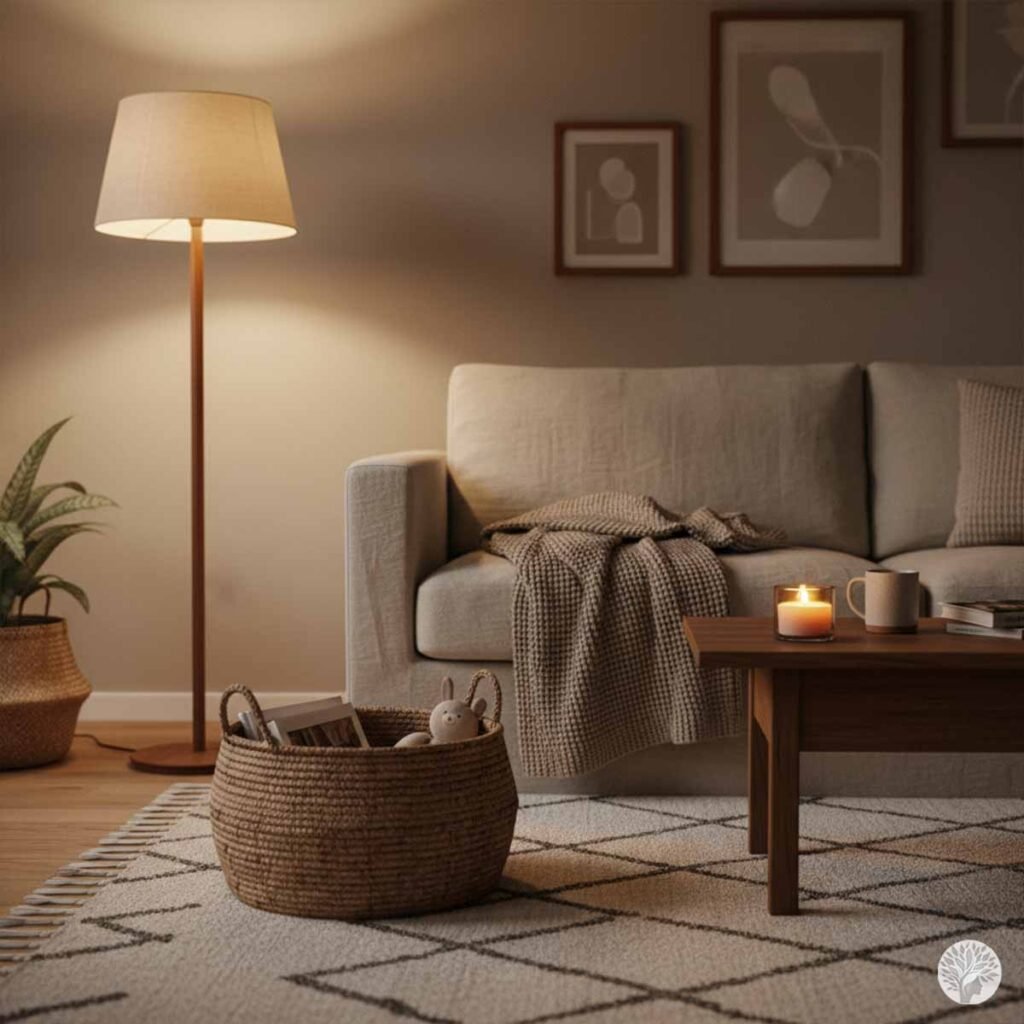
Your home is not a public exhibit, nor is it a sterile lab environment to be scrubbed into submission with harsh chemicals and fearful thoughts. It is the living, breathing backdrop of your family’s life. When we clear the visual static, quiet the acoustic glare, and step away from the alarmist noise of the internet, we protect the space where true maternal wellness begins.
You do not need an expensive renovation to make your home look luxurious or inviting; true luxury for an exhausted mother is neurological quiet, and that costs absolutely nothing. Start small. Designate a single micro-retreat such as a cozy reading chair or a nightstand and style it with clean sightlines and warm light.
Step back from the pressure of performance homemaking tonight. Put down the harsh sprays, dim the overhead fixtures, sweep the visual clutter into a basket where it can wait safely for tomorrow, and allow your environment to offer you a bit of breathing room. You have full permission to let the house rest.
True mindfulness begins when the sensory noise quietens down enough for your soul to finally breathe.
Love ya, stay mindful!

© 2026 The Mindful Mom Life. All rights reserved. This methodology is part of the Hetal Method helping mothers find neurological rest through intentional home management. No part of this work may be shared or reproduced without credit to the original source.