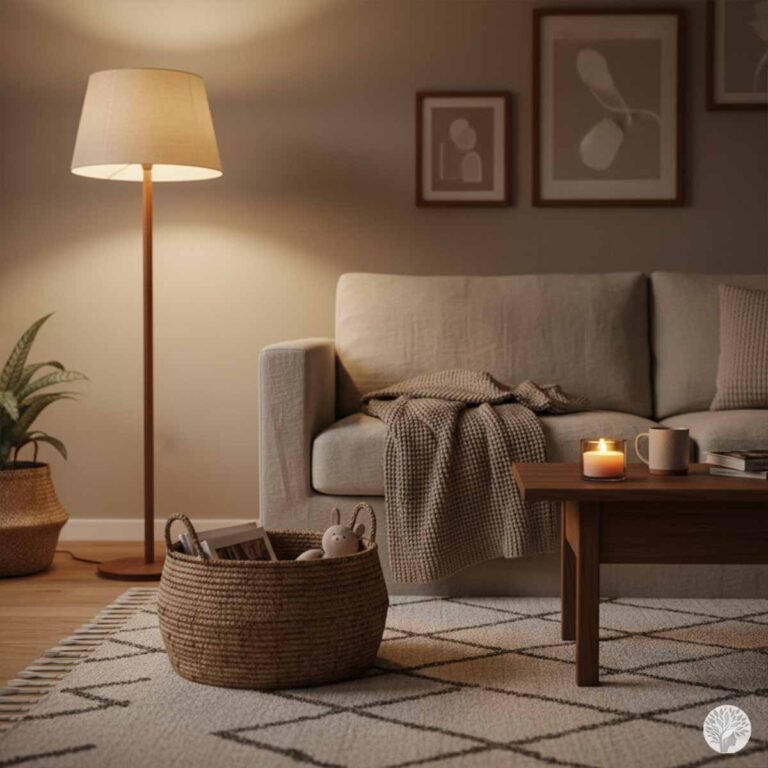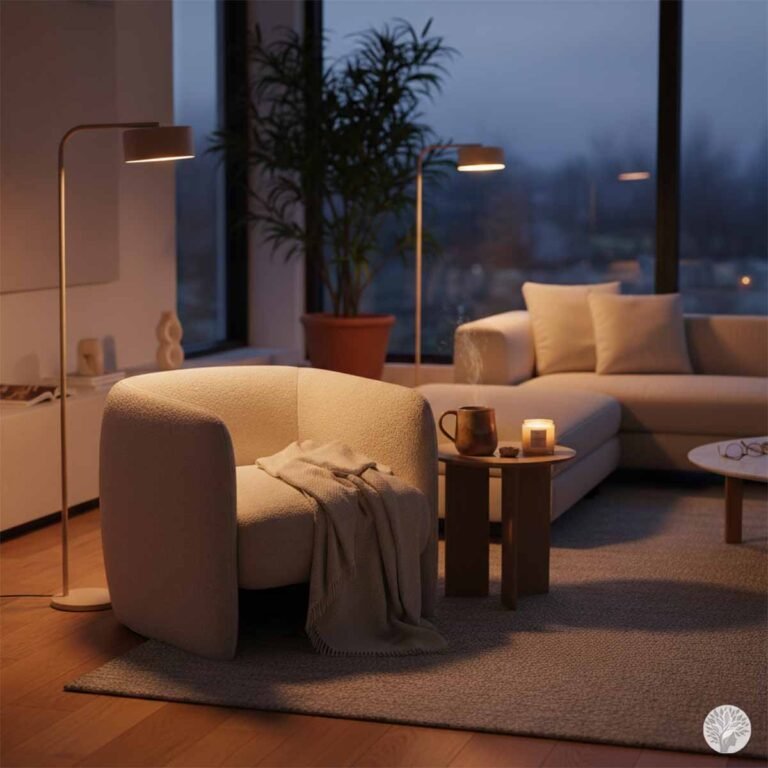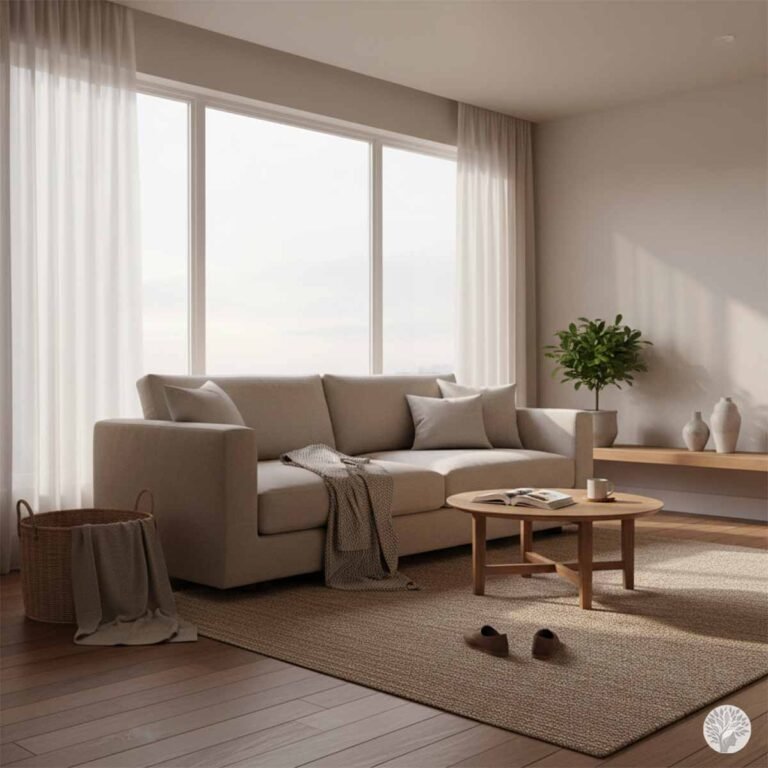

Breathable Home Design focuses on creating living spaces that feel open, calm, and supportive of daily life. By clearing pathways, reducing clutter, adding natural textures, and introducing living plants, a home becomes easier to move through and easier to rest in, allowing both the mind and the space to breathe.
Hey Beautiful!
I remember standing in my living room late one Tuesday evening, just after my kid had finally drifted off to sleep. The house was quiet, but as I looked around, I felt an inexplicable weight settling over my shoulders. The coffee table was covered in stray papers, a laundry basket sat mid-floor, and the sofa was pushed slightly off-center to accommodate a stack of books. I stood there for a moment, watching the way the evening light faded against the wall, and I realized that I was tired, but it wasn’t just physical exhaustion. My home was tired, too. It was holding on to too much, and as a result, I was holding my breath.
I knew then that I didn’t need a renovation or a new set of furniture; I needed to let my home breathe.
Creating Flow in the Home
Disclaimer: This post may contain affiliate links. I only share products that I personally use and love.
When we talk about the “energy of movement,” it often sounds like design jargon. But really, it’s just about how easily you can navigate your day. If you find yourself constantly side-stepping a stack of magazines or squeezing past a chair that’s tucked too tightly into a corner, you are creating tiny, daily stressors that accumulate over time.
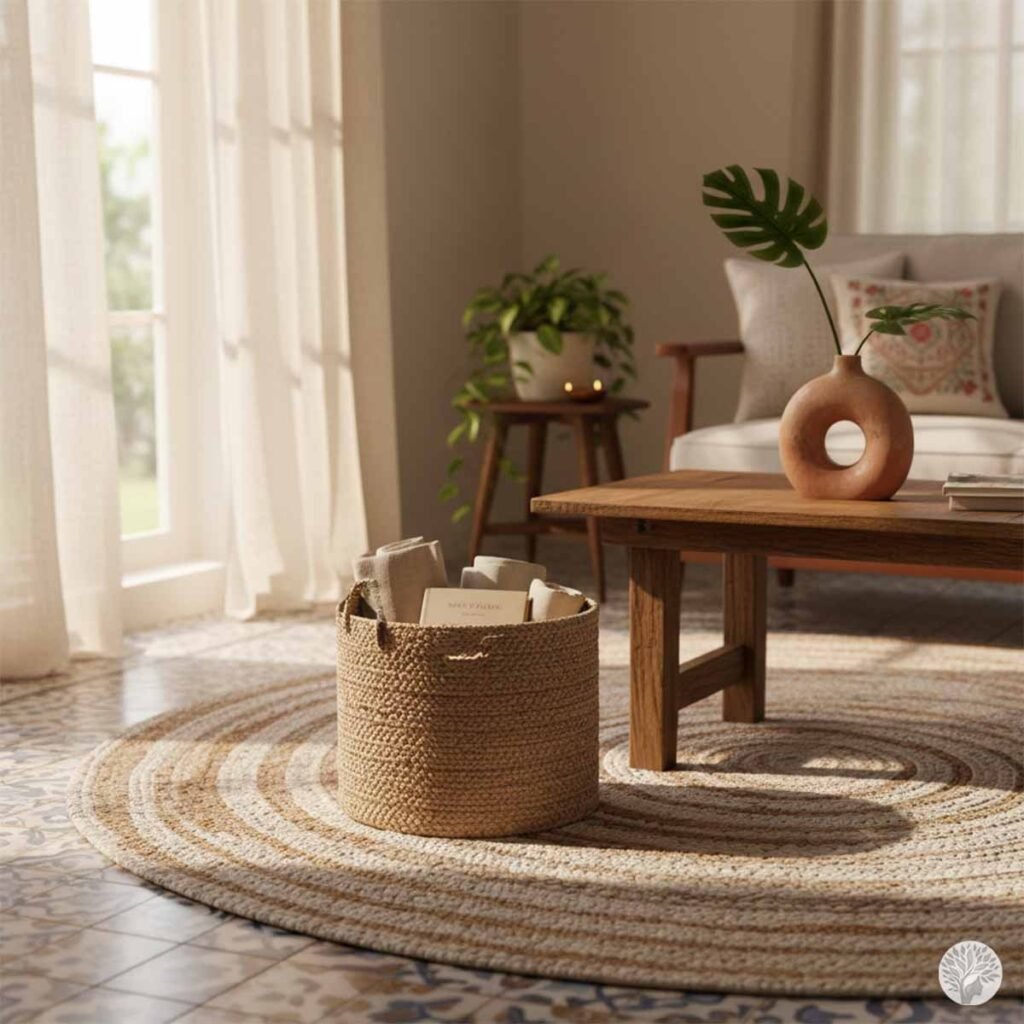
To create a breathable home, start with the pathways. Try walking through your most lived-in room with your eyes half-closed and see where you stumble. Is there a path? Can you walk from the door to the window without pausing? As I began to move my sofa just a few inches back to clear the walkway, I felt the space open up. When I needed a way to gather the loose things that collect on our table like the stray pens, the bills, the markers I found that a simple Natural Jute Storage Basket works beautifully; it tucks away the day’s clutter without feeling like a clinical storage bin. Clearing a single, clean path through a room is a powerful way to tell your brain that it is safe to be still. It creates a literal sense of flow that allows your mind to rest.
Why Clutter Exhausts the Mind
When a room is crowded with objects, our eyes never find a place to rest. Our brains are constantly trying to process every item in our field of vision, which prevents us from fully immersing ourselves in the current task. By designing for flow, we aren’t just arranging furniture; we are optimizing our living space for peace. When we clear our paths, we are telling our nervous system that the “threat” of a disorganized environment has been removed, allowing us to drop our guard.
Designing a Sensory Sanctuary
We often fill our homes with plastic or synthetic finishes that keep us in a state of constant, high-frequency stimulation. To design a space that offers true clarity, we must surround ourselves with materials that come from the earth.
Think of your home as a second skin. Introduce textures that invite touch: raw cotton, warm wood, jute, or stone. These are the materials that ground us. When you walk across a Handwoven Cotton Area Rug or touch a wooden table, you feel connected to something tactile and real. This isn’t just decoration; it is mindful living. When we choose items with intention, we stop surrounding ourselves with “stuff” and start surrounding ourselves with things that actually support our need for calm. By prioritizing wood over metal or cotton over synthetic blends, you are creating a dialogue with your home that encourages your body to soften.
The Living Breath of Plants
No home feels truly breathable without the presence of living things. If the walls of your home are the skin, your plants are the lungs.
When we bring nature indoors, we are inviting a natural rhythm into our lives. As I carefully placed a Golden Pothos Plant on my bookshelf, I realized it does more than add a splash of color; it changes the energy of the room. When you look at a living, growing thing while sitting in your living room, you are reminded that life is not meant to be static. It is meant to be in a constant state of growth. Caring for a plant shifts your identity from “Manager of the House” to “Guardian of Life.” The simple act of checking the soil moisture of your plants provides a meditative anchor, a moment where you are purely a human being, not a worker bee.
Creating a Breathing Space
Ultimately, the goal is not a sterile, minimalist showroom. It is a home that supports the person you are becoming. If you are feeling overwhelmed, start with one “breathing space” say a single table, a lone chair, or a clear windowsill. Keep it free of the day’s clutter. Make it a shrine to stillness.
I looked back at that same coffee table I had stood by just the other night. After clearing those stray papers and placing a small Handmade Ceramic Vase with a single stem of greenery on the surface, the wood grain seemed to catch the light in a completely new way. The room was the same, the house was the same, but the tension had dissolved. You will soon realize that by simplifying your surroundings, you are simplifying your thoughts.
The Spiritual Anchor of the Home
Every home needs one place that reminds us to pause. In my own home, that place is a small corner where I keep a simple image of Sai Baba and a small diya. It is not elaborate. Just a quiet space where the noise of the day settles for a moment.
A breathable home is not only about furniture and plants; it is also about creating spaces that invite reflection. When the mind becomes overwhelmed, a spiritual corner reminds us that the house is not just a structure. It is a place where the soul rests. It anchors the room, turning a simple corner into a sanctuary of presence.
Daily Rituals to Maintain Clarity
Design is a process, not a destination. To keep your home “breathable,” you must adopt simple, daily rituals that prevent the “weight” from returning.
- The Sunset Sweep: Every evening, before you settle in for the night, spend five minutes clearing the surfaces. It’s not about deep cleaning; it’s about restoring the “breath” to the room.
- The Tactile Check: Once a week, walk through your home and touch your favorite surfaces. Does the rug still feel inviting? Is the plant thriving?
- Moving Beyond the Project Mentality: Many of us treat home decor as a project to be finished. We wait until we have the budget for the perfect sofa. But “breathable” design is not about what you buy; it is about how you curate. It is about the courage to remove what does not serve your peace.
When we let go of the need for a “perfect” home, we gain the space for a “peaceful” home. You are stripping away the visual noise that competes for your attention, allowing the truly important things like your children’s laughter, your own quiet reflections, and the peace of the present moment to finally be heard. Remember, the house is just the vessel. You are the energy that fills it.
The next time you walk into a room and feel that familiar sense of “too much,” don’t run to the store. Stop. Take a breath. Look for one path you can clear, one surface you can wipe, and one corner you can give back to the air. You will find that clarity isn’t something you buy; it is something you uncover.
"A breathable home is not defined by how much you own, but by how much space you have allowed for your own mindful presence to exist."
Love ya, stay mindful!