
How To Start A Small Home Garden begins with observing your space, choosing a few easy plants, and keeping your setup simple. With the right light, minimal tools, and daily care, even a small balcony or windowsill can become a calm, green corner that supports your routine and well-being.
Hey Beautiful!
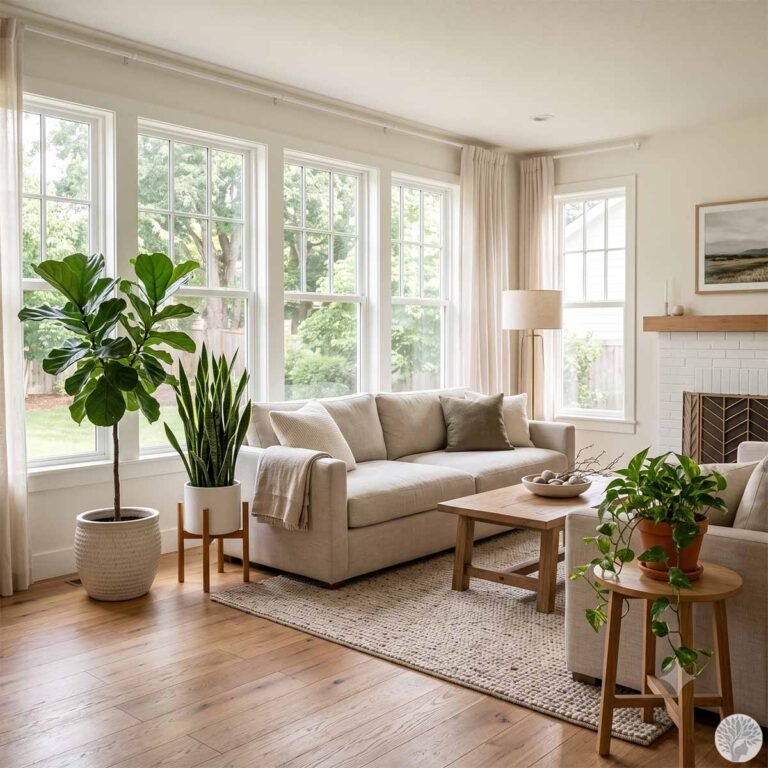
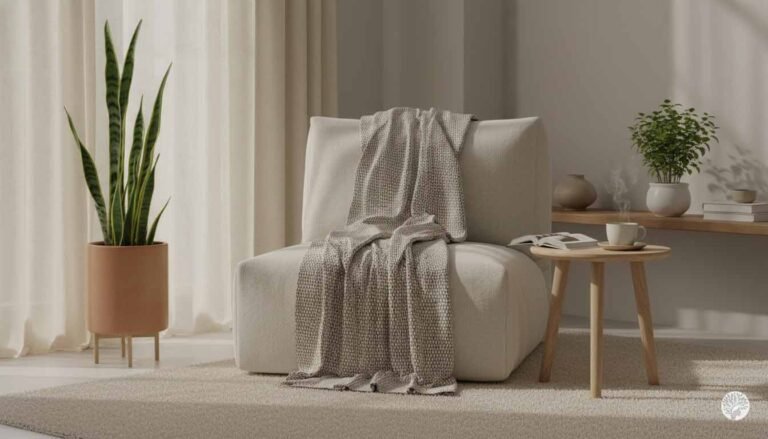
The Snake Plant holds a special place in my heart. It was the very first companion I brought into my home when I began my journey into mindful gardening. I had visited a nursery one afternoon, thinking of it simply as a piece of decor to brighten my living room. But as I watched it grow, it became my greatest teacher. Its upright, architectural leaves remind us that beauty can thrive even in the most unexpected corners or low light conditions. This plant taught me that growth doesn’t require constant managing. Sometimes, it only requires the grace of time.
But while the Snake Plant was my silent teacher in the living room, it was a tiny pot of mint in my kitchen that finally woke up my senses.
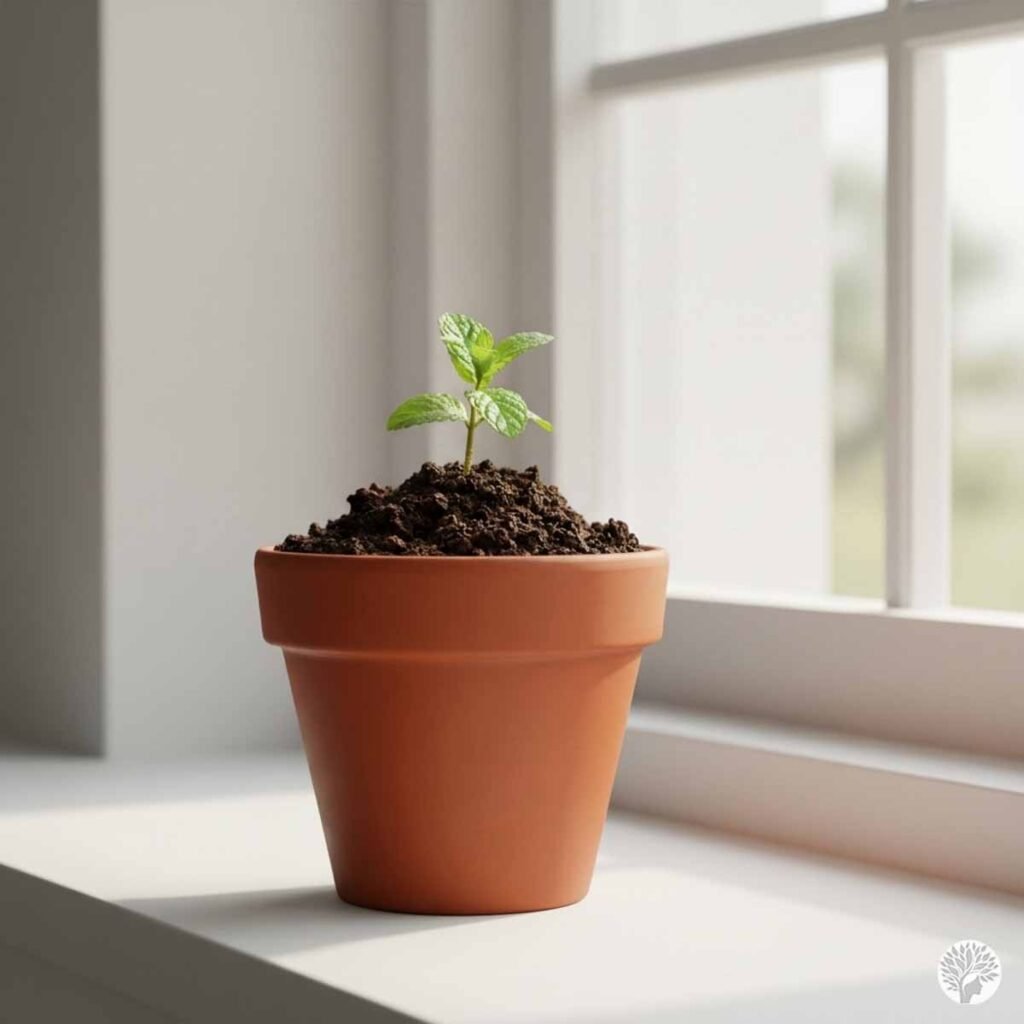
I was standing at the counter, waiting for the kettle to boil. Near my reliable Snake Plant, I had tucked a small pot of mint on the windowsill. I noticed one small, bright green sprout pushing through the dark soil, and it caught me completely off guard. In that moment, the rush of the morning seemed to pause. The mental checklist of emails, school runs, and digital marketing tasks just went quiet.
That was the first time I slowed down without trying. I realized that while the Snake Plant had introduced me to the idea of greenery, this tiny mint leaf was inviting me into the ritual of gardening.
Starting a small home garden does not require space or experience, just a few simple steps done with patience.
The First Green Breath and the Why Behind the Soil
Before we talk about pots or seeds, we must understand the heart of this shift. As a busy mom and an entrepreneur, your day is likely a series of “outputs.” you are giving energy to your children, your business, and your home. Gardening is an “input.” It is a way to refill your own cup by tending to something that asks very little of you but gives back a sense of deep, quiet peace.
When you learn how to start a small home garden, you are actually learning how to create a living sanctuary. It is a physical reminder that growth takes time and that even in the smallest spaces, life can flourish. This is the ultimate form of “Visual Silence” for the soul.
The Simple Space Audit and Small Space Gardening Ideas
One of the biggest myths is that you need a “green thumb” and a large plot of land. The truth is that small space gardening ideas can transform even the tiniest apartment into a green retreat. You do not need a yard. You just need a corner that speaks to you.
Assess your light
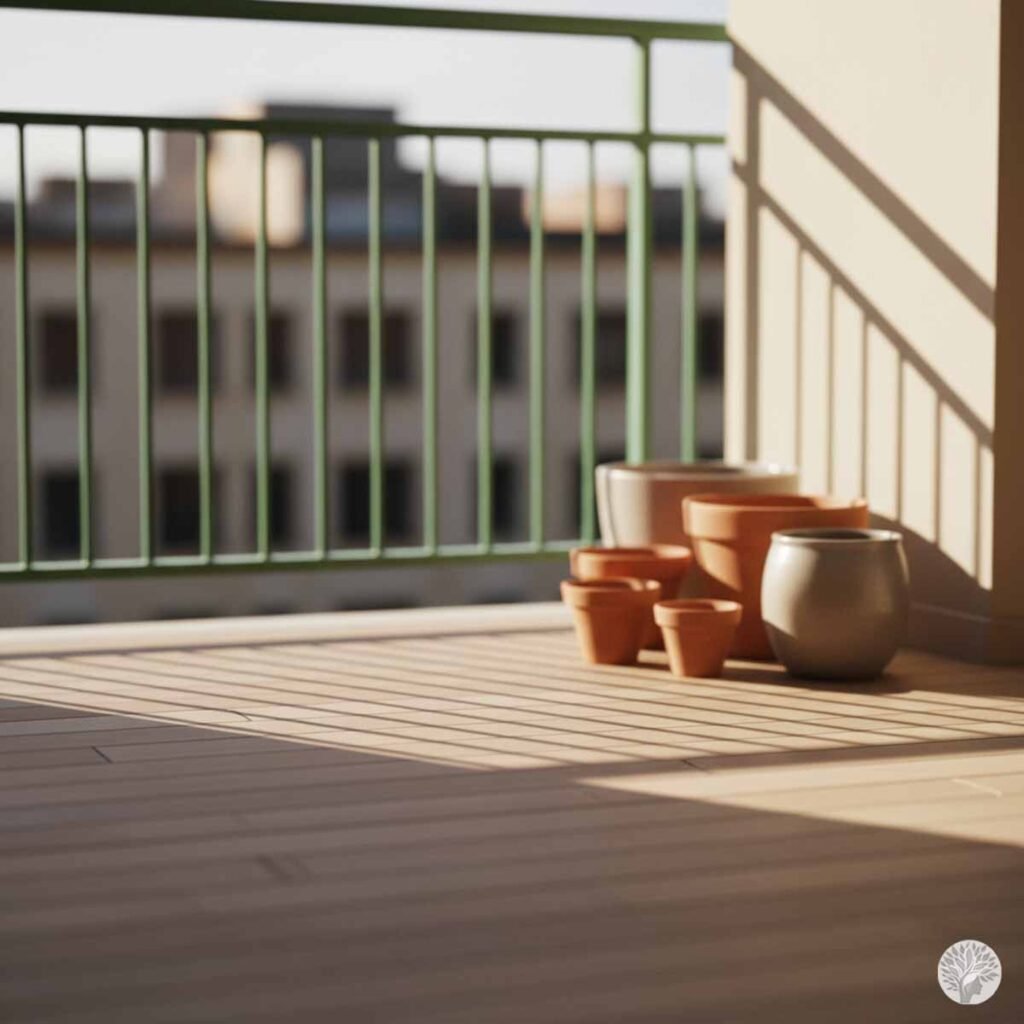
Before you buy a single plant, spend a day watching the sun in your home. Does your balcony get six hours of direct light? Or does your kitchen windowsill get a soft, filtered glow? Knowing your light is the most important part of balcony gardening for beginners. Some plants crave the heat of the afternoon sun, while others, like many herbs, prefer a cooler, shaded spot.
Choosing your corner
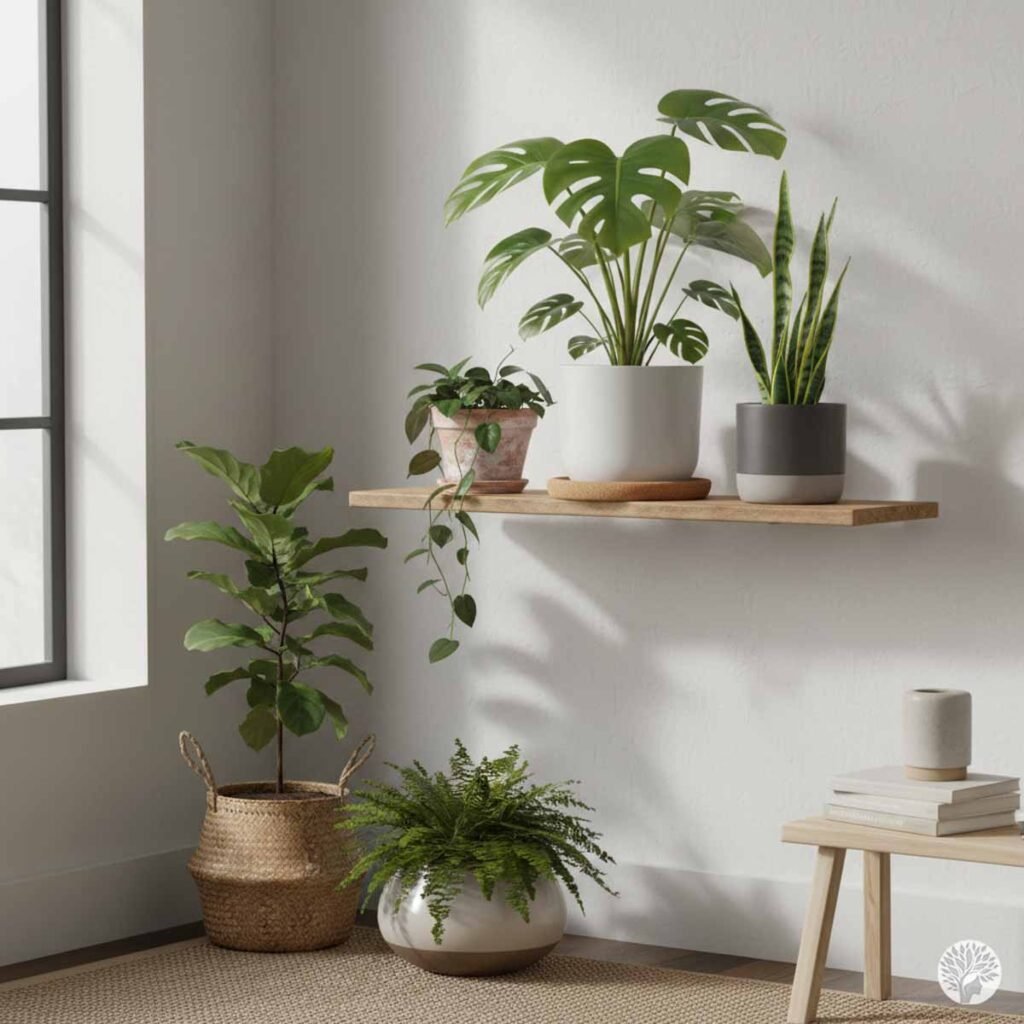
In our skincare and home reset discussions, we talked about Visual Silence. The same applies here. Instead of scattering pots all over your home, choose one dedicated area. This creates a focused point of beauty rather than “green clutter.” A single, well-tended shelf or a small cluster of pots in a corner feels more intentional and peaceful. This is the foundation of a minimal gardening setup.
What To Start With This Season and Easy Plants To Grow At Home
If you are a beginner, the goal is to build confidence. You want plants that are resilient and forgiving. These are the easy home gardening for beginners with no experience favorites that I recommend starting with.
The Resilience of Mint
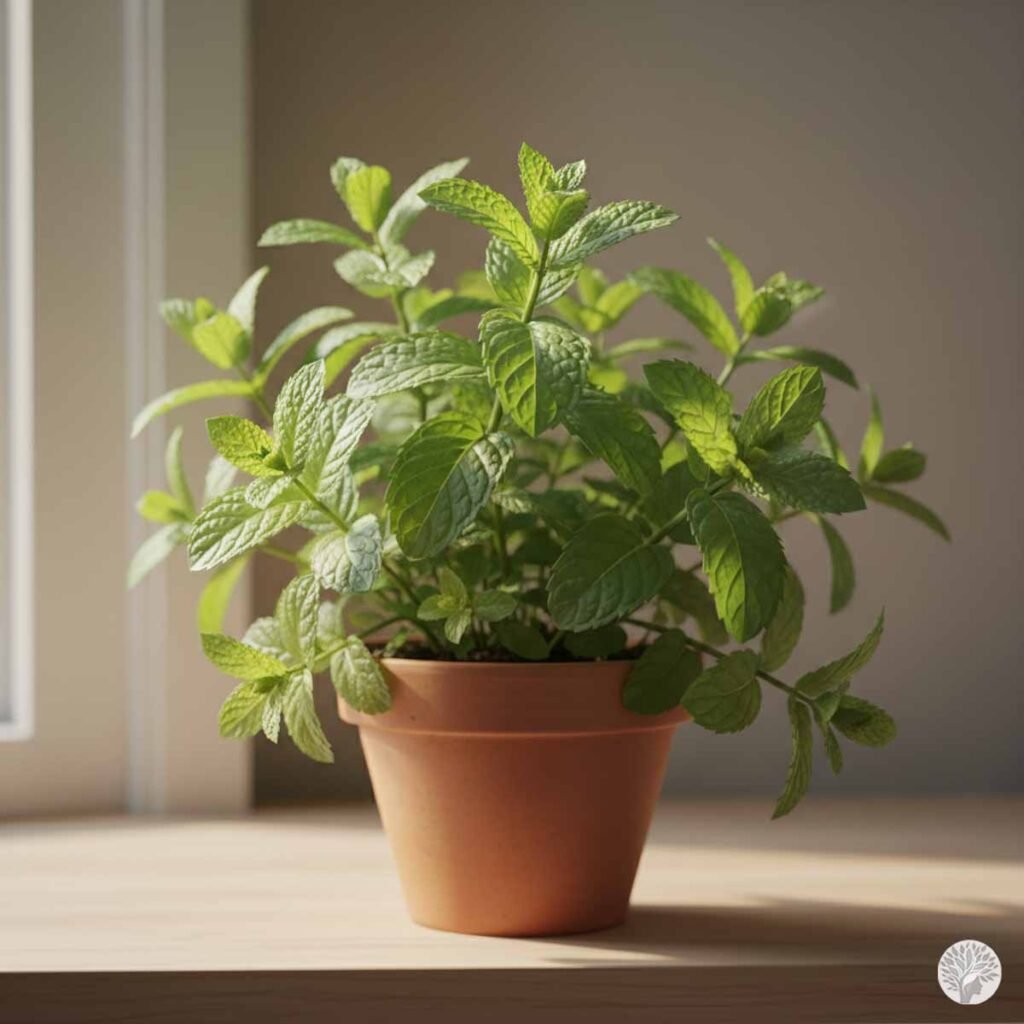
Mint is almost impossible to kill. It grows vigorously and smells incredible every time you brush against it. It is perfect for indoor gardening for beginners because it handles partial shade well. Plus, having fresh mint for your afternoon tea or a fennel cooler brings a direct connection from your garden to your kitchen.
The Grounding Scent of Tulsi
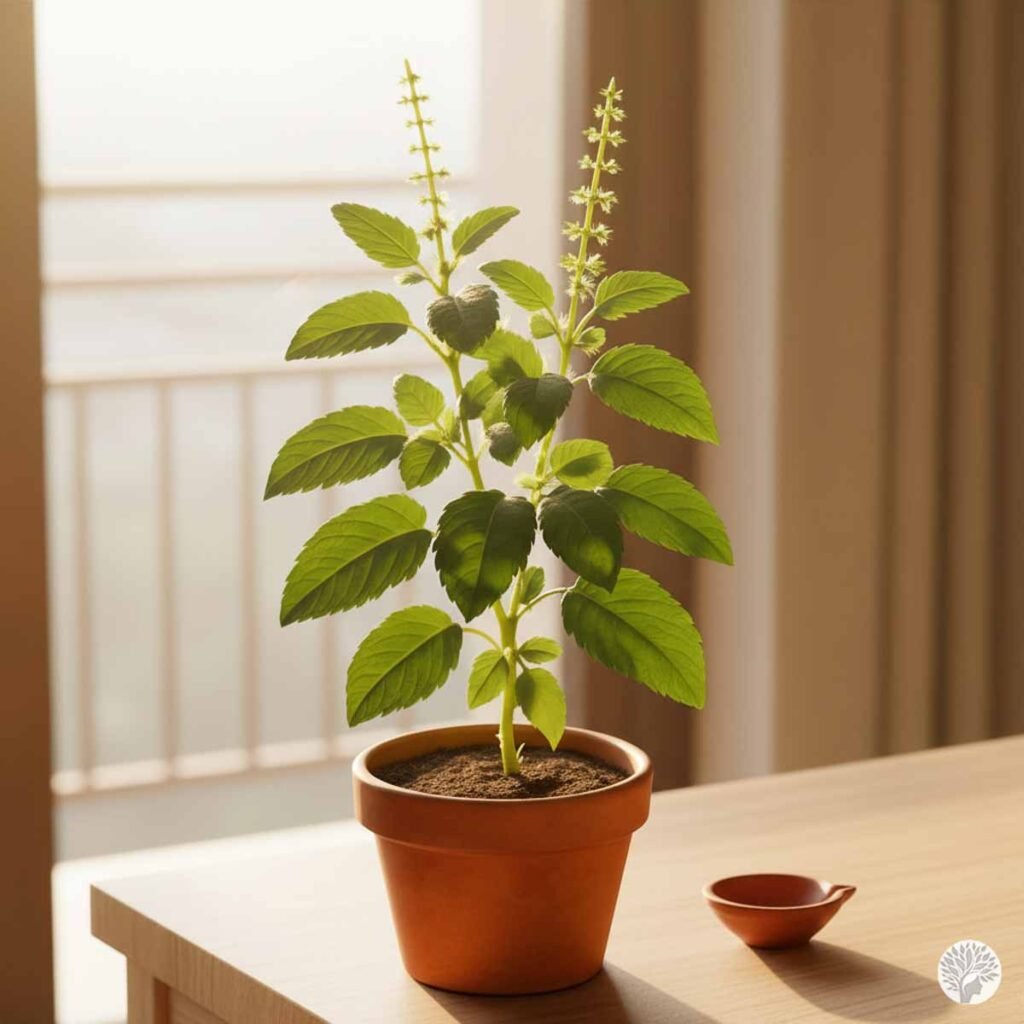
In India, Tulsi is more than just a plant. It is a symbol of protection and health. It is one of the best plants for small home garden India because it thrives in our climate and offers a beautiful, spicy aroma that calms the nerves. Tending to a Tulsi plant is a daily ritual in many homes, and it fits perfectly into a mindful lifestyle.
The Dual Purpose of Aloe Vera
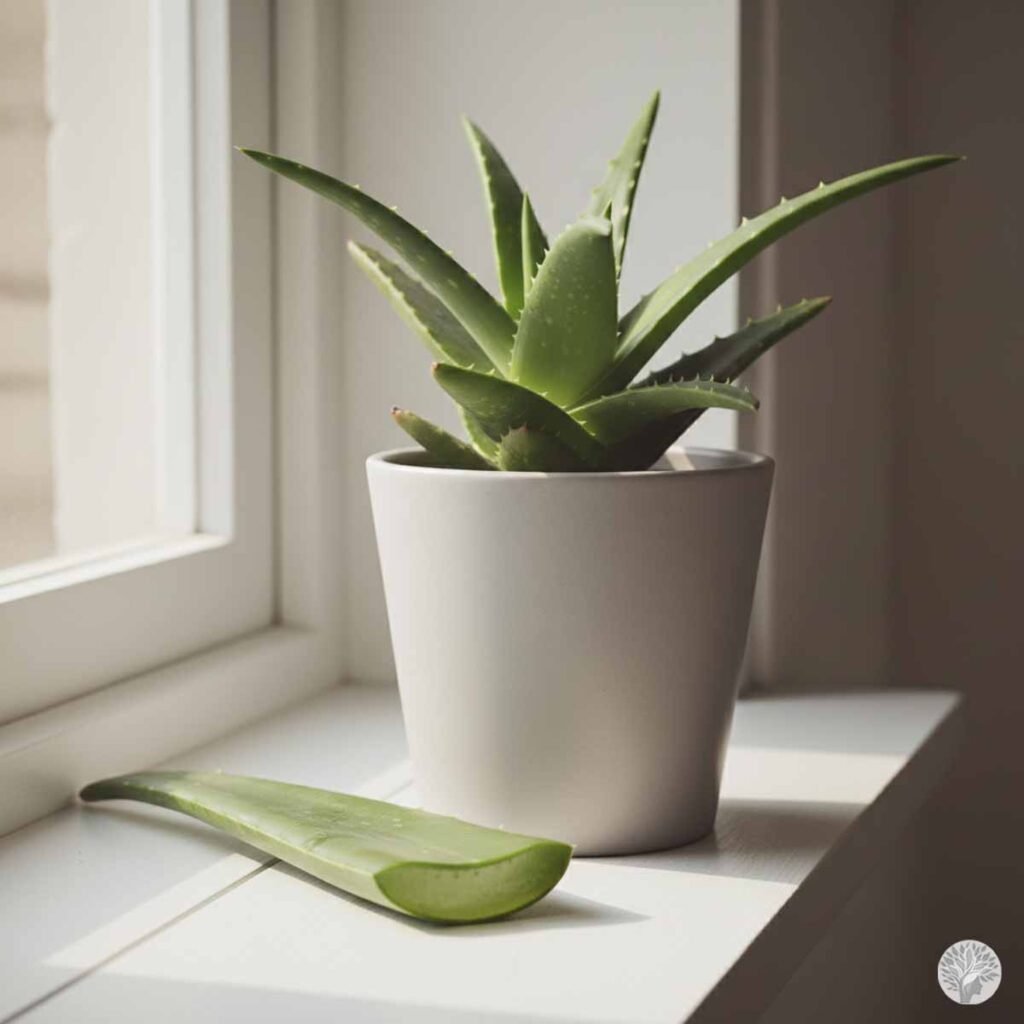
Aloe is the bridge between your garden and your skincare routine. It is a succulent, which means it stores water in its leaves and can survive if you forget to water it for a few days. It is one of the top low maintenance plants for beginners. When you need a cooling face mask or a treatment for a minor burn, you have the fresh gel right at your fingertips.
The Ten Minute Garden Ritual and Gardening For Busy Moms
As a busy mom, you might worry that a garden is just one more thing to “do.” But gardening for busy moms should never feel like a chore. It is a simple gardening routine for busy people that takes less time than scrolling through your phone.
The Morning Reset
Use your watering time as a screen-free meditation. Instead of checking your notifications the moment you wake up, go to your plants. Feel the cool water on your hands. Smell the damp, earthy scent of the soil as it drinks. This five-minute act of care grounds you before the chaos of the day begins. It is a way of saying “I am here” before you start saying “I am doing.”
The Evening Release
At the end of the day, your brain is likely buzzing with a hundred different thoughts. Spend five minutes in your garden corner. Snip off a few yellow leaves. Turn the pots so they get even light tomorrow. This physical act of “grooming” your plants helps your mind release the stress of the workday.
The Kitchen Connection and How To Grow Herbs At Home For Beginners
There is a unique joy in cooking with something you grew yourself. When you grow herbs at home, you are adding more than just flavor to your food. You are adding the energy of your own care. In a world where we often buy pre-packaged or dried ingredients, using a fresh leaf from your own windowsill changes the entire vibration of your meal.
From Mechanical to Mindful Cooking
Usually, when we cook, we are in a rush to get dinner on the table. We grab a bunch of herbs from a plastic bag and chop them up without a second thought. But when you walk to your small home garden and gently snip a few sprigs of mint or coriander, the process slows down. You feel the texture of the stem and smell the immediate burst of essential oils. You are no longer just preparing food. You are collaborating with nature. This is the invisible ingredient that no recipe book can teach. It is the memory of the mornings you spent watering that plant and the quiet moments you spent watching it grow.
From Pot to Plate
A single sprig of homegrown coriander or a leaf of mint can transform a simple meal into something special. It reminds you of the cycle of growth. If you are a mindful cook, you already know that ingredients matter. There is no ingredient more powerful than one you witnessed growing from a tiny seed. When you stir those homegrown herbs into your recipes, you are infusing your family’s meal with your own time and presence. It makes the dish taste deeper and more nourishing because it started with a seed and a thought.
The Secret of Kitchen Scraps
You do not need fancy fertilizers to have a healthy garden. In fact, your kitchen is full of plant gold. Save your onion peels, banana skins, and eggshells. While I will share deep-dive recipes for DIY fertilizers in the coming weeks, you can start today just by being mindful of what you throw away. A simple soak of banana peels in water for twenty-four hours creates a potassium-rich drink that your flowering plants will love. This creates a beautiful loop of sustainability in your home where nothing is truly wasted.
How To Start Balcony Gardening At Home with a Minimal Setup
You don’t need a shed full of tools to be a gardener. For a minimal gardening setup, you only need three things.
The Foundation of Quality Soil
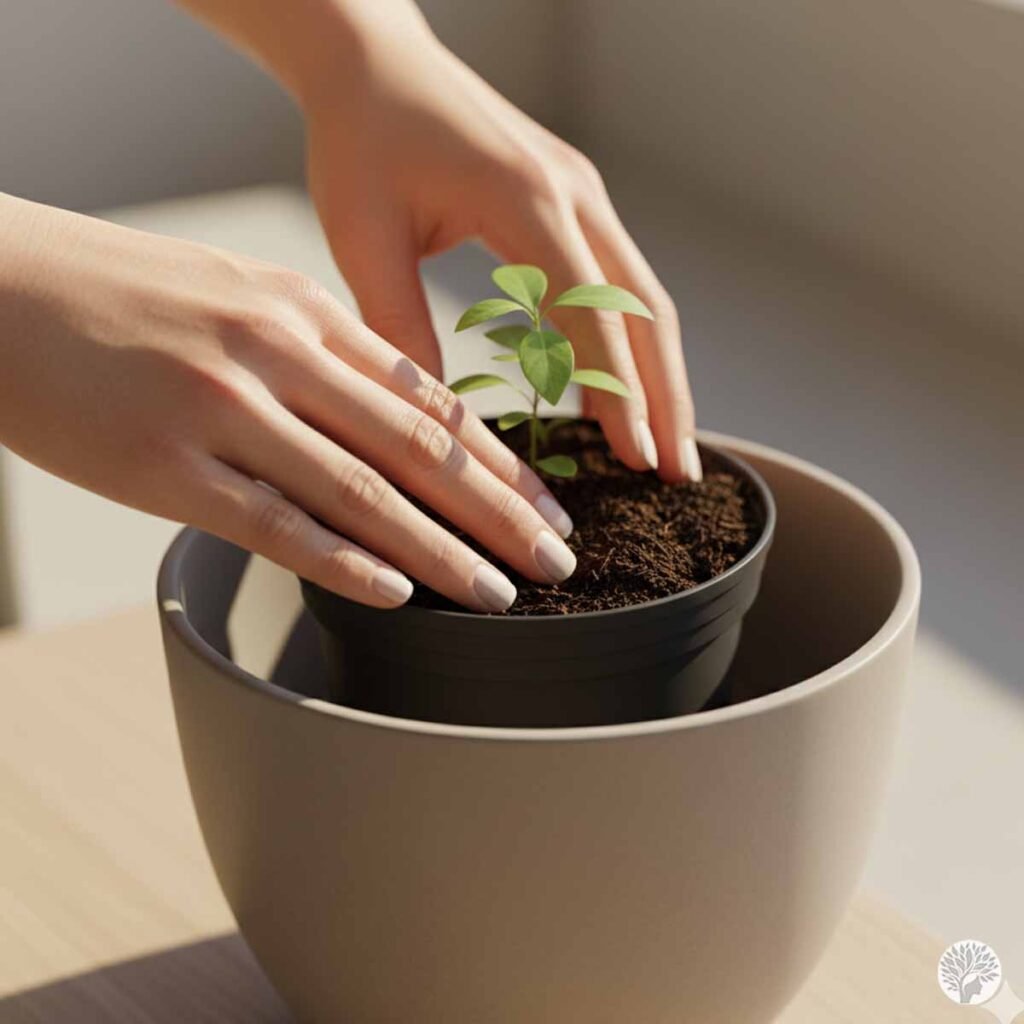
Do not just scoop dirt from the ground outside. Most garden soil is too heavy and compact for small pots. Instead, buy a good potting mix that is airy and nutrient-rich. This is effectively the skincare for your plants. Just as you would not use harsh soap on your face, you should not give your plants poor-quality soil. A good mix allows the roots to breathe and move freely. In the coming weeks, I will share the exact potting mix proportions that I use for my own indoor garden to help you create the perfect environment for growth.
Containers with Proper Drainage
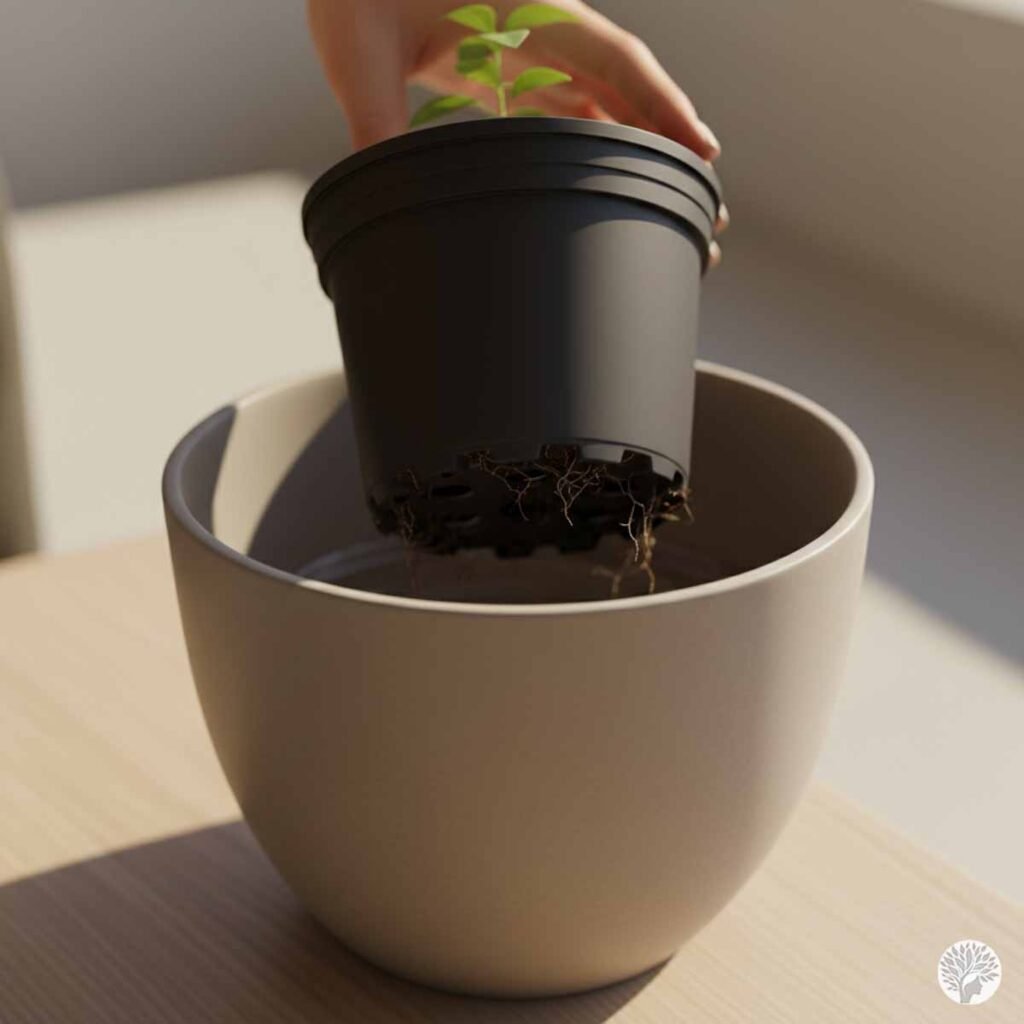
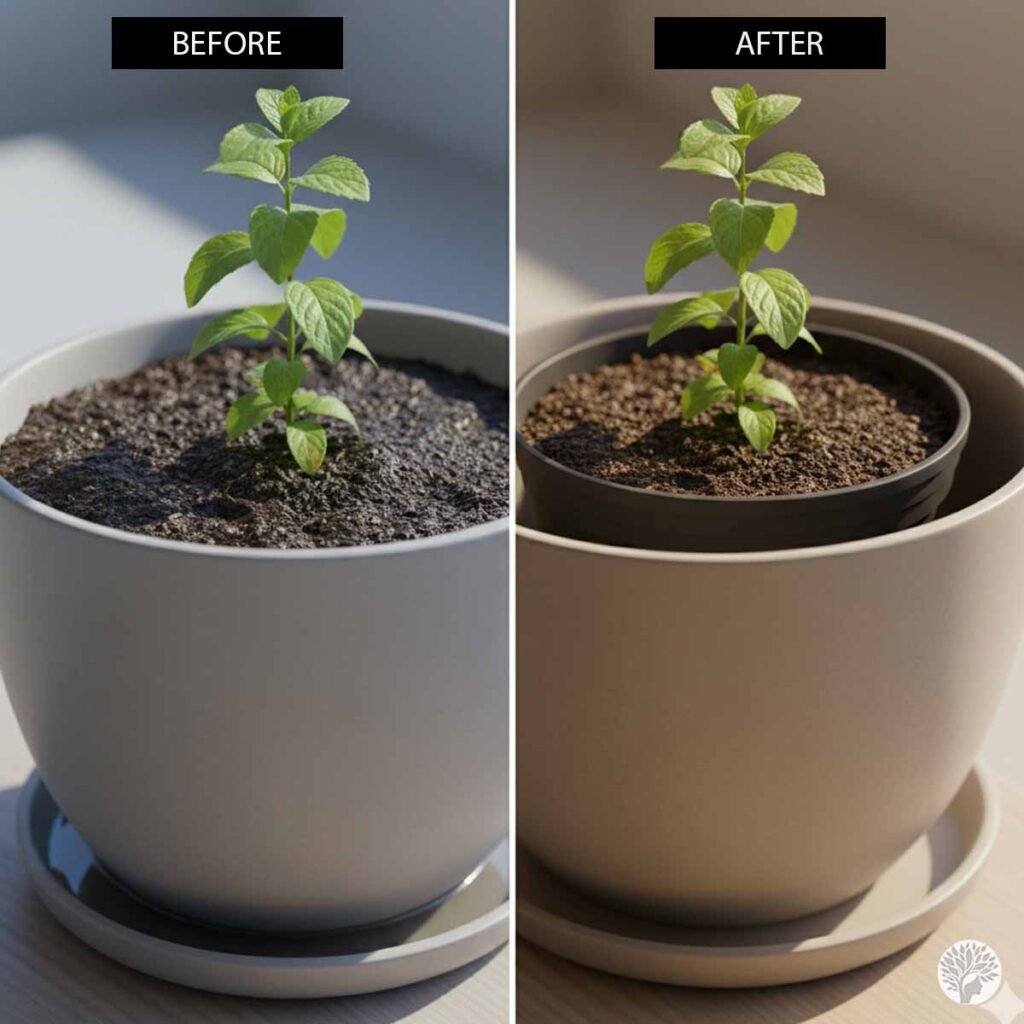
Your pots must have holes at the bottom. This is a non-negotiable rule for beginner gardening tips. I learned this the hard way with my very first pot before I even brought my Snake Plant home. I was so focused on the aesthetic of the container that I completely ignored the need for drainage. I didn’t realize that without holes, the water just sits at the bottom with nowhere to go. Plants do not like having wet feet. If water remains stagnant, it leads to root rot which can quietly kill your plant from the inside out. When you are choosing your containers, look for functionality first. You can always place a plain nursery pot inside a more aesthetic ceramic one to maintain your visual silence while keeping the plant healthy.
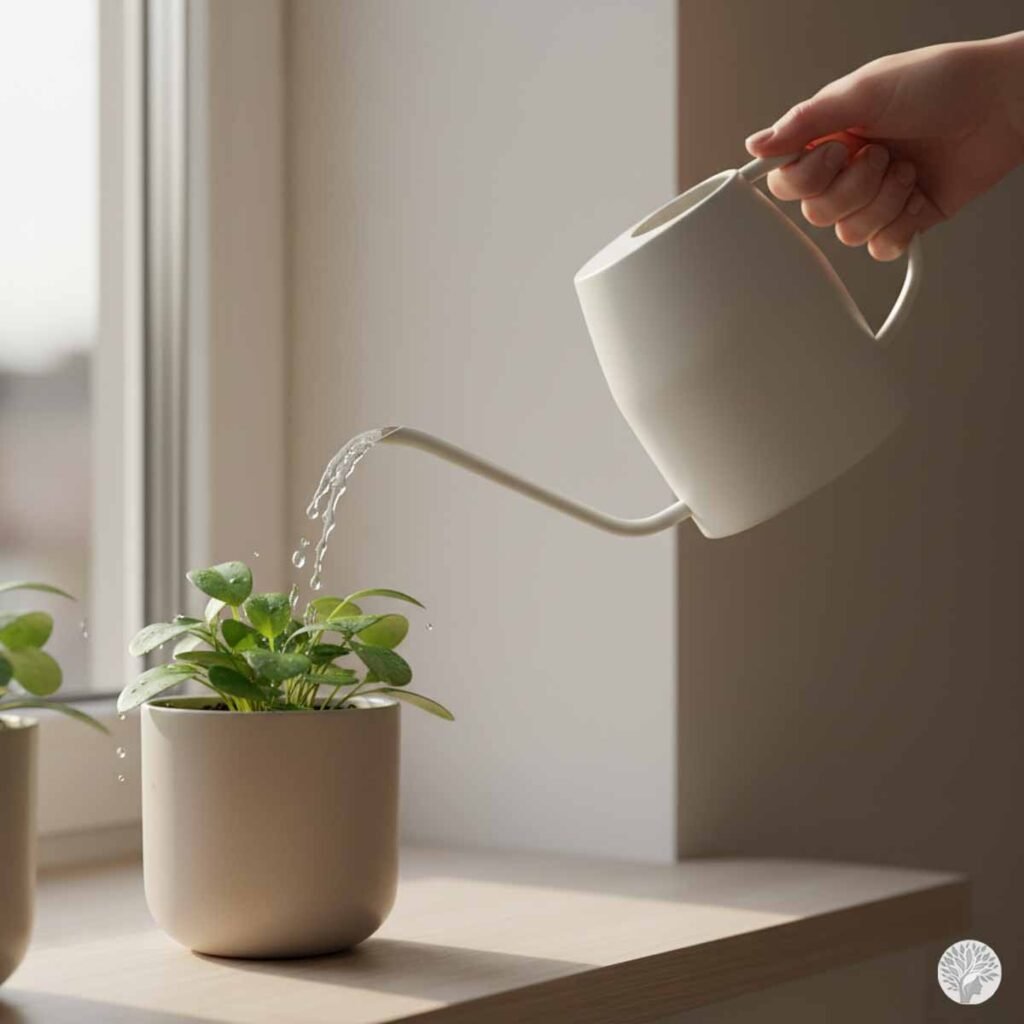
A Simple Watering Can
The tool you use for watering should bring you joy. You do not need a massive plastic gallon jug. A small, elegant watering can or even a beautiful glass bottle you have repurposed will work perfectly. The goal is to make the act of watering feel aesthetic and intentional. When the tool feels right in your hand, you are more likely to slow down and notice the small details of your garden. This transforms a basic task into a moment of true gardening for busy moms.
The Mother and Teen Connection in the Garden
Just as we discussed with skincare, gardening is a wonderful way to connect with your children. My teenager and I often find ourselves standing by the plants together. We aren’t necessarily talking about deep life issues, but we are looking at the progress of a new flower or the height of the herbs.
These “sideways conversations” are where the real connection happens. Teaching a child how to start a small home garden teaches them patience. It teaches them that some things cannot be rushed with a high-speed internet connection. It is a shared project that brings a sense of quiet accomplishment to the whole family.
Mindful Gardening as a Business Strategy
You might wonder how gardening relates to being an entrepreneur. The truth is that the lessons of the garden are the lessons of business. You plant a seed (an idea). You provide the right environment (strategy and hard work). You water it consistently (daily execution). And then, you wait.
You cannot force a plant to grow faster by tugging on its leaves. In the same way, you cannot force a business to scale before it is ready. Gardening for busy moms who are also business owners is a masterclass in patience and “trusting the process.” It reminds you that as long as you are doing the small, mindful steps every day, the results will eventually bloom.
Beginner Gardening Tips for the Mindful Soul
If you feel overwhelmed, remember these three beginner gardening tips to keep you grounded.
- Start Small. One pot is a garden. Don’t feel the need to buy ten plants at once. Start with one, learn its language, and grow from there.
- Observe More and Do Less. Sometimes the best thing you can do for a plant is leave it alone. Watch how it reacts to light and water before making big changes.
- Embrace the Imperfect. Some leaves will turn yellow. Some plants might not make it. This is not a failure; it is part of the cycle. Every “mistake” is just your garden teaching you something new.
Coming Back to Yourself through the Soil
At the end of the day, you don’t need a massive harvest to be a successful gardener. You don’t need to spend hours weeding or digging.
You just need a small pause.
Five minutes with your plants is enough to come back to yourself. It is enough to remind you that you are part of a larger, living world. When you tend to a small home garden, you are telling yourself that you deserve a space that is quiet, green, and growing. And that is the most beautiful harvest of all.
Starting a small home garden does not require space or experience, just a few simple steps done with patience.
"Starting a small home garden is the ultimate act of patience in a world that demands speed. It is not just about growing green things on a windowsill, it is about learning to be as mindful and resilient as the plants we tend."
Love ya, stay mindful!
Tend to Your Space
- How to Start a Small Home Garden – A Beginner’s Guide to Growing Calm
- 10 Best Indoor Plants for a Calm Home for Busy Moms
- Indoor Plants for Mental Health: A Mindful Plant Care Guide for a Calmer Home
- Meditation Plants and Simple Ways to Create Calm at Home
- I Am the Gardener, Yes. But I Am Also the Garden