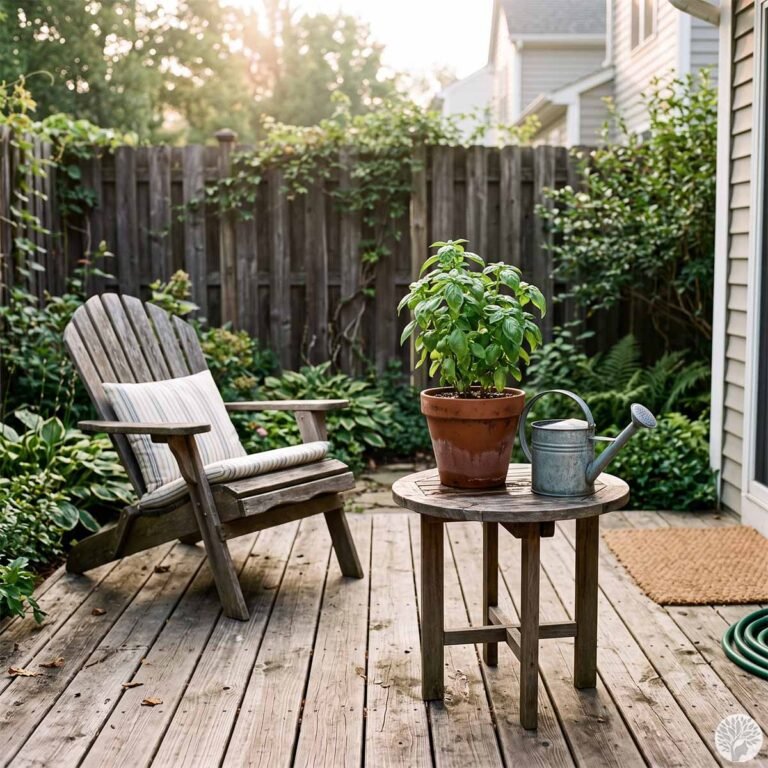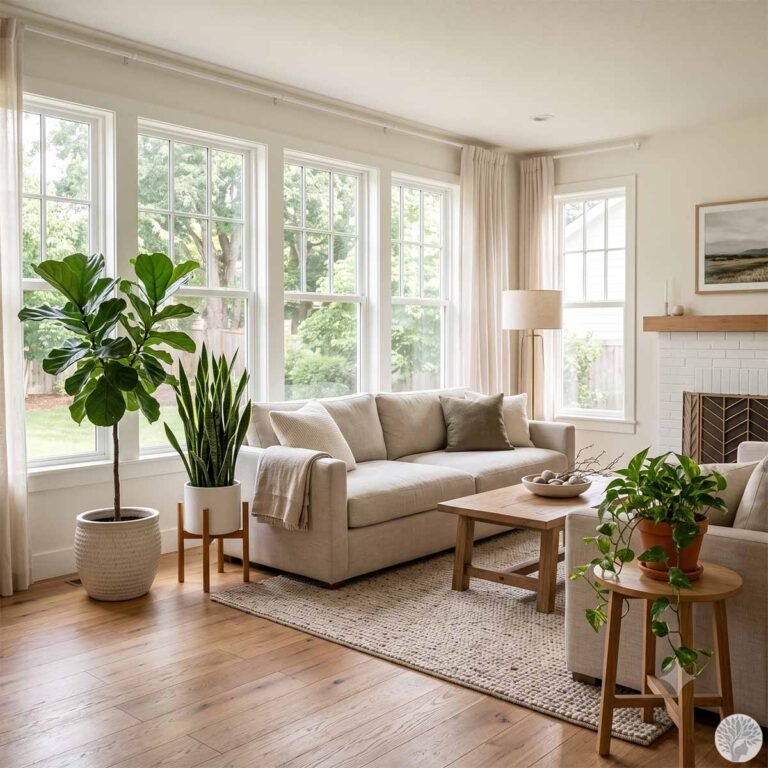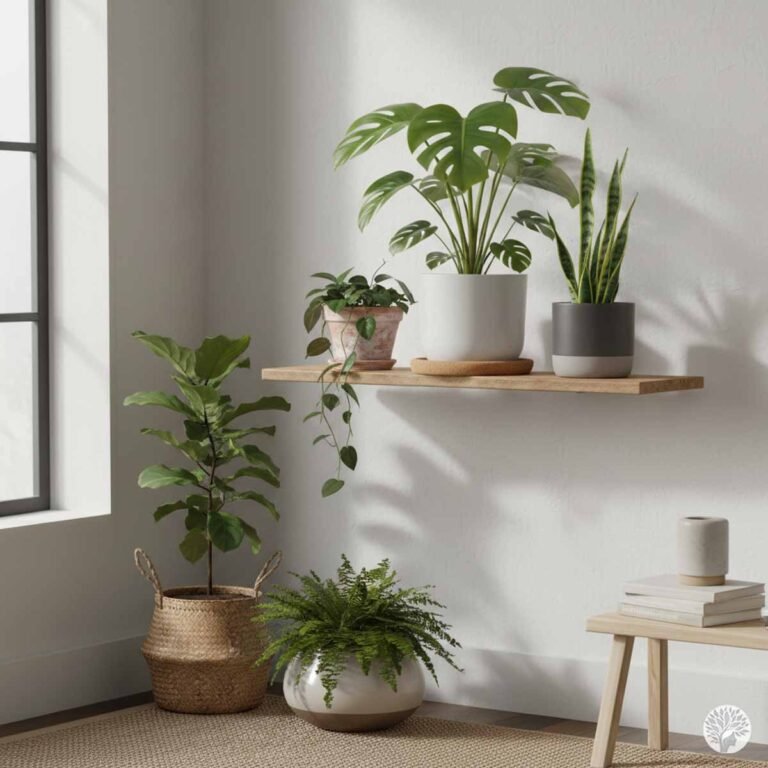

What are Meditation Plants and how do they help you feel calm at home?
Meditation plants are indoor plants that support your mental state through scent, visual softness, and simple daily interaction, helping your nervous system slow down and reset without effort.
Hey Beautiful!
What is a meditation plant? A meditation plant is a specific type of indoor greenery that helps calm your mind through scent and visual softness and daily interaction. These plants are chosen to support mental health and reduce stress at home.
Your eyes are tired from the blue light of your screen. The house is filled with the constant hum of appliances and the restless energy of a busy day. You search for a pause but the rooms feel loud even when they are silent. This is the moment where a meditation plant becomes your living anchor.
Meditation plants are not just decorative greenery. They are specific plants that support a calm mental state. These living companions help you slow down and stay present through their scent and visual softness. They improve your air quality and provide a simple ritual for your daily rhythm. By bringing these anchors into your home sanctuary, you are choosing to replace digital noise with biological peace.
A meditation plant works by bridging the gap between your external environment and your internal state. When your home feels overstimulated by a heavy schedule, these plants act as a silent boundary. They provide a physical point of focus that is soft and unhurried. Unlike a static piece of furniture, a plant is a breathing partner that responds to your care. This interaction allows you to move from a state of “doing” to a state of “being” in just a few minutes.
The true power of these living anchors lies in their ability to ground your nervous system without effort. By simply placing a plant in your immediate line of sight, you are inviting a lineage of quiet biological support into your day. This shift is not about creating a perfect garden but about finding one small breath of nature to steady your pulse. Whether it is through the scent of a crushed herb or the gentle lines of a green leaf, these plants help you reclaim your mental clarity. They turn a small corner of your home into a reliable sanctuary where you can finally let go of the day.
The Science of the Living Anchor
Nature is hardwired into our nervous system through the Biophilia Hypothesis. This is the biological truth that humans feel a sense of safety and belonging when they are near living things. For thousands of years, our ancestors relied on the presence of thriving greenery to signal a secure and fertile environment. Today, even a single plant in your bedroom can trigger that same ancient signal of safety. Research shows that looking at a plant for only 40 seconds can lower your heart rate and reduce cortisol. This brief visual pause allows your brain to shift from a state of high alert to one of quiet recovery.
Many meditation plants release invisible oils called Phytoncides. These are natural antimicrobial compounds that plants use to protect themselves, but when we breathe them in, they have a profound effect on our own chemistry. As these molecules enter your system, they increase the activity of your “natural killer” cells and tell your body to enter a rest and digest mode. This biological shift happens without any extra effort from you, making the simple act of breathing near your plant a passive form of nervous system support.
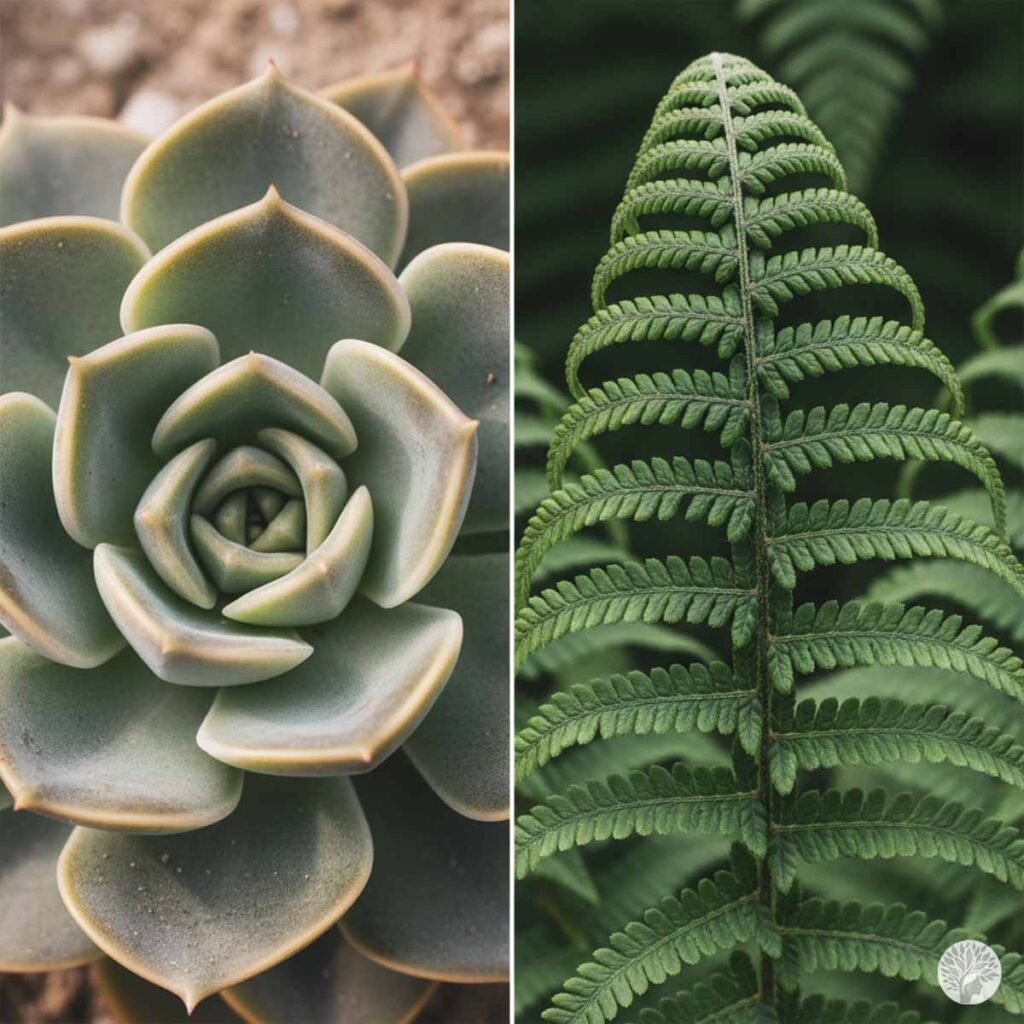
Plants also grow in repeating shapes called Fractal Patterns. These are complex yet orderly geometries, like the spiral of a succulent or the layered fronds of a fern. Your eyes process these natural patterns with very little energy compared to the sharp, flat lines of a digital screen. This reduces visual fatigue and helps your brain stop the darting thoughts of a heavy schedule. By focusing on these soft shapes, you give your mind a chance to settle into a natural state of flow.
Some varieties like the Snake Plant are CAM Plants which means they release oxygen at night rather than during the day. This unique metabolic process makes them the perfect partner for your evening skincare ritual and a deep night of rest. While you sleep, these plants are actively scrubbing the air and replenishing your oxygen levels. This ensures that your home sanctuary remains a place of high air quality and physical restoration from sunset until dawn.
Choose Your Meditation Plant
You can select a plant based on the specific sensory support you need today. This choice allows you to curate your environment to match your current emotional state.
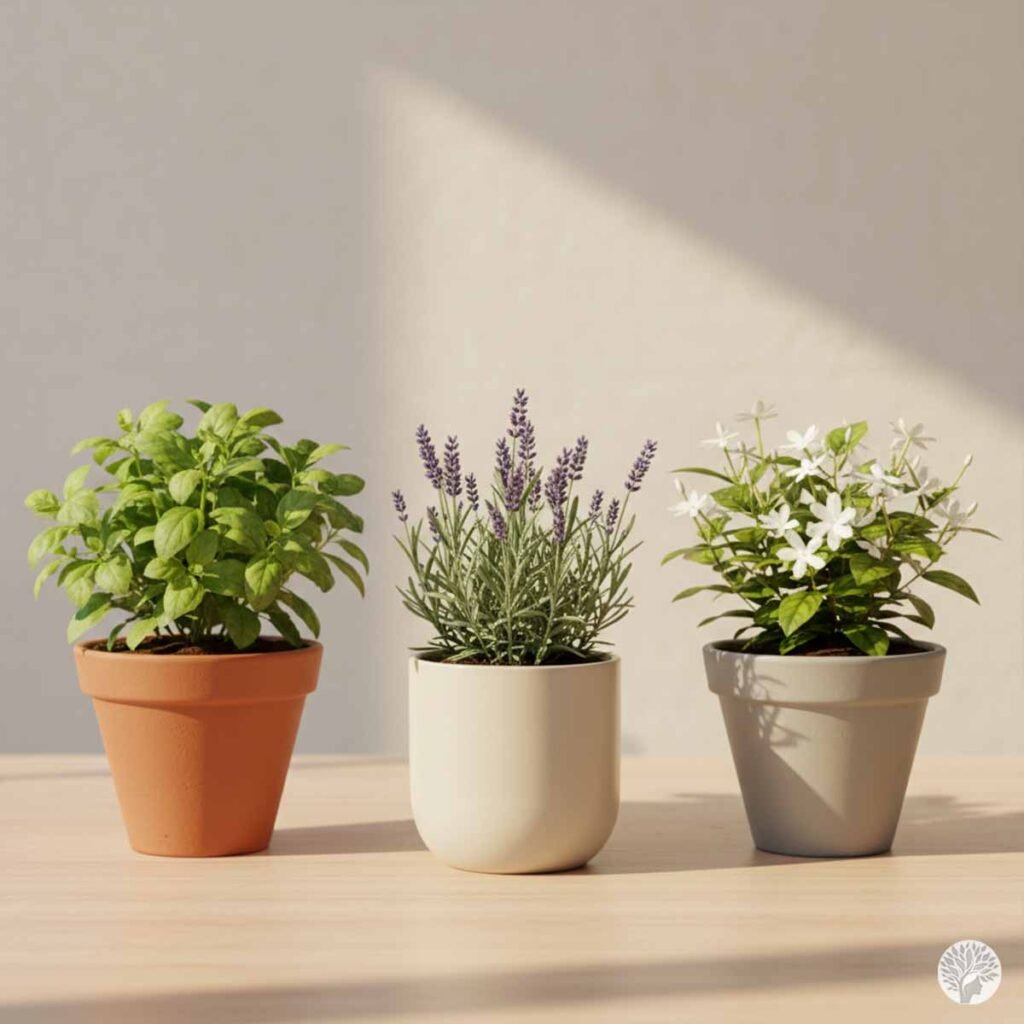
Fragrant Plants for Calm Through Scent
Use these when you need to ground your emotions quickly. Scent travels directly to the emotional center of the brain to shift your mood in seconds.
- Tulsi – This is a grounding and familiar herb that lowers stress and connects you to heritage wisdom.
- Lavender – A classic choice to reduce anxiety and promote a deeper state of sleep.
- Jasmine – A soft and calming fragrance that creates a gentle and romantic atmosphere.
Visual Calm Plants for Soft Green Focus
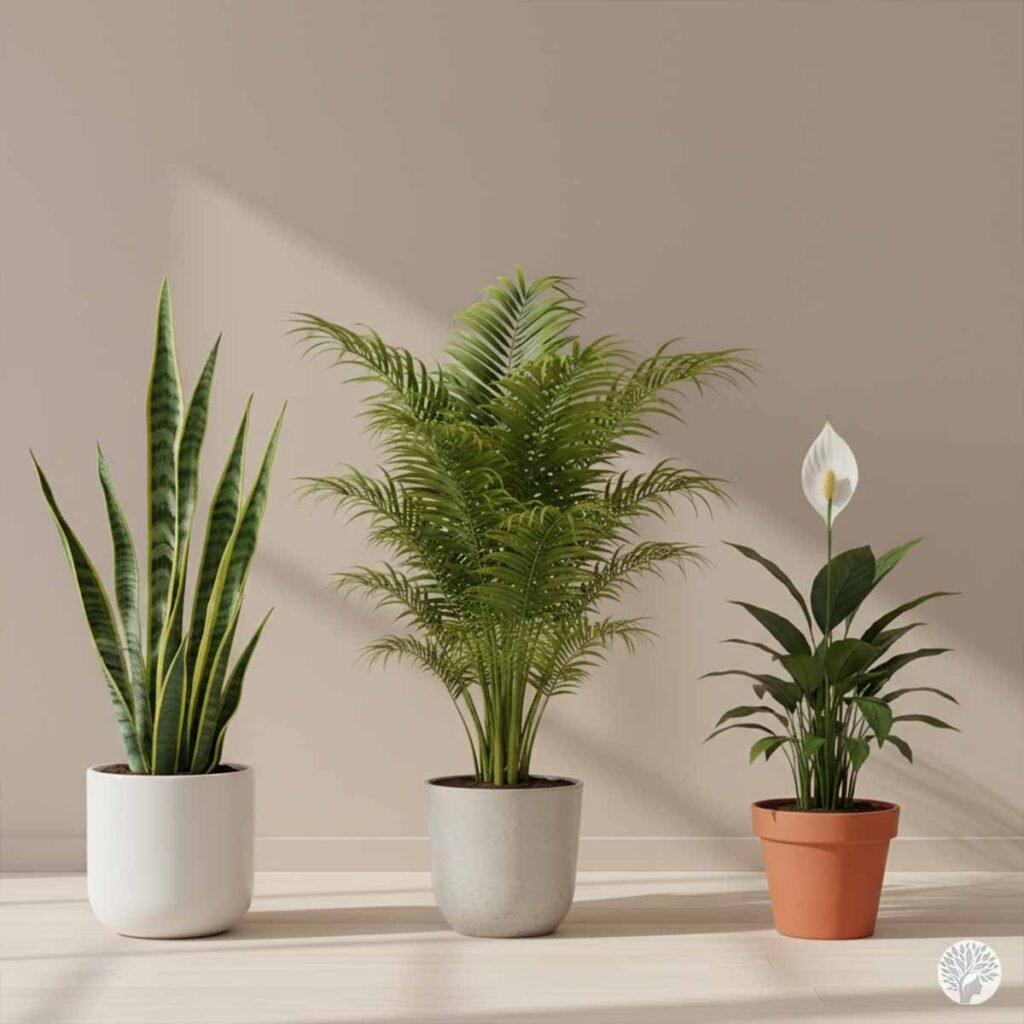
These provide a resting place for your eyes to reduce the fatigue caused by digital screens.
- Snake Plant – Clean lines and very low effort for a busy and high-energy home.
- Areca Palm – Soft movement and feathered leaves that bring a sense of a breathable home.
- Peace Lily – Gentle white blooms that symbolize a moment of truce in a crowded day.
Ritual Based Plants for Touch and Practice
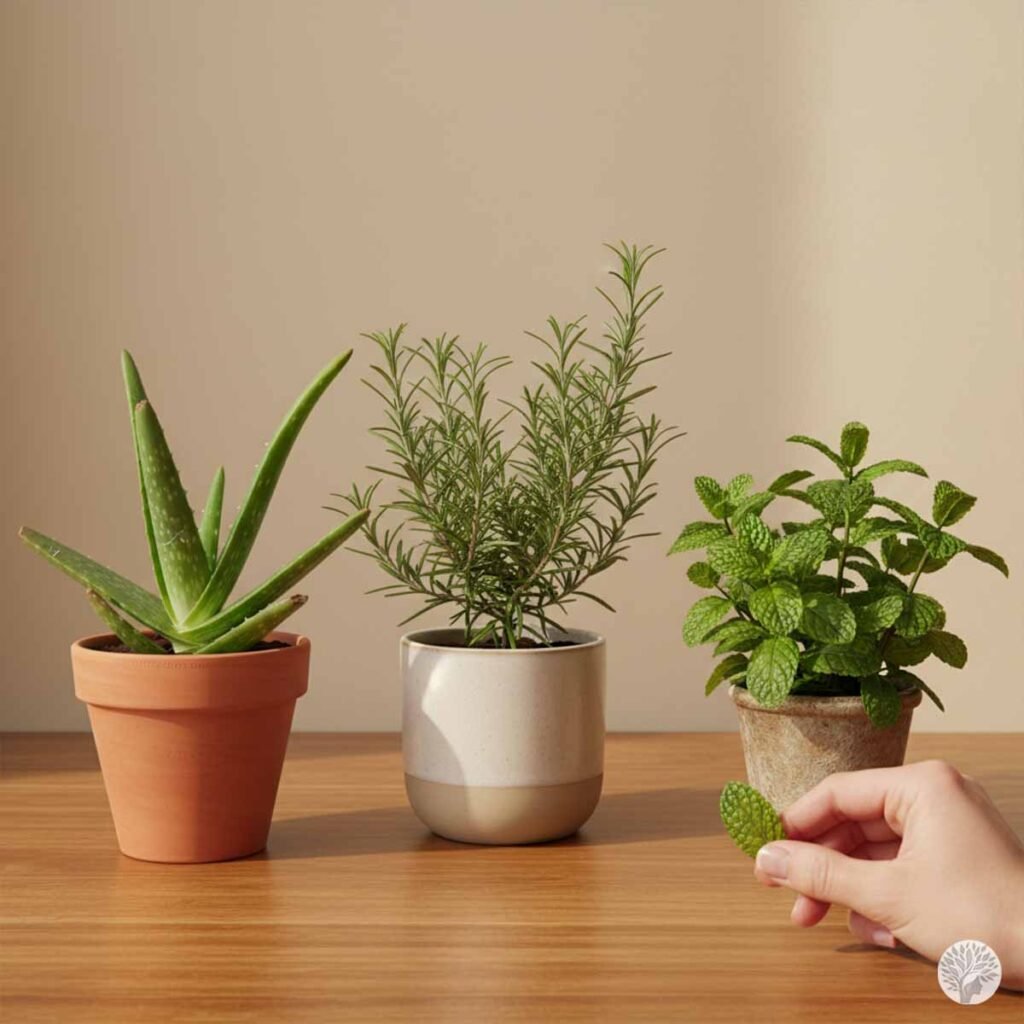
These encourage a physical connection and a mindful pause through direct interaction.
- Aloe Vera – A cooling and healing touch that is perfect for a skincare as self care ritual.
- Rosemary – A sharp and herbaceous scent that brings clarity to a foggy or rushed morning.
- Mint – A refreshing and uplifting presence that clears the mind at your kitchen or desk.
How to Use Meditation Plants at Home
You do not need a perfect setup or a green thumb to start. The goal is to lower your mental load rather than adding another chore to your list. By integrating these living anchors into your existing habits, you create a seamless transition into a calmer state of mind.
- Create a Morning Anchor – Place one plant near the spot where you sit for your morning tea or coffee. This ensures your day begins with a connection to nature rather than a digital screen.
- Align Your Gaze – Keep your plant at eye level so your gaze lands on it naturally. This allows your eyes to rest on the soft fractal patterns of the leaves without searching for a focus point.
- The Tactile Pause – Touch one leaf before you check your phone in the morning. This small physical contact snaps your awareness back to the present moment and grounds your nervous system.
- Sensory Transitions – Inhale the scent of your plant as you transition into your evening skincare ritual. This acts as a sensory bridge to signal that the work of the day is officially over.
- Mindful Watering – Water your plant slowly and stay present with the sound of the droplets hitting the soil. Use this time to observe any new growth or subtle changes in the leaves.
Start With One Plant
To avoid overwhelm, keep your entry into biophilic mindfulness simple.
- Choose One – Select a hardy Snake Plant for its air-purifying qualities or a pot of Tulsi for its heritage scent.
- Strategic Placement – Place it exactly where you sit every single day, whether that is at your desk or by your favorite armchair.
- Two-Minute Stillness – Spend just two minutes in silence near it. Do not feel pressured to meditate perfectly; simply exist in the same space as your plant.
This small, consistent rhythm is enough to transform a busy room into a quiet sanctuary. By starting with one plant and one pause, you are building a sustainable foundation for a more peaceful home.
Common Mistakes to Avoid
Many people treat plants as static decor and miss the profound emotional benefit of a living anchor. When you view a plant only as a piece of furniture, you lose the opportunity for a sensory connection. Avoid the urge to add too many plants at once. A crowded room can quickly turn a sanctuary into a new list of chores that adds to your mental load. It is better to have one thriving companion than a dozen struggling ones that create a sense of guilt or overwhelm.
Do not expect instant results from a single session. Like any home sanctuary idea, the biological benefit grows with the consistency of your rhythm. Your nervous system needs time to recognize the plant as a reliable signal of safety. Remember to learn the basic care needs of your plant so it remains a healthy part of your environment. A wilting plant can become a visual reminder of a heavy schedule rather than a source of peace. By keeping your approach simple and consistent, you ensure that your biophilic ritual remains a supportive and breathable part of your daily life.
Create a Calm Home Rhythm
Integrating plants into your life is about creating a sensory boundary between you and the noise of the world. When you sit near a living anchor, you are telling your body that you are safe and supported in your own home. This practice pairs perfectly with an intentional skincare routine to help you ground your nervous system at the beginning and end of every day. By focusing on one plant and one breath, you build a reliable anchor that stays quiet and steady through every season.
My Favorite Sanctuary Essentials
This section contains affiliate links to products that support your mindful living journey.
- Organic Tulsi Seeds – Grow your own heritage grounding herb to connect with a slower pace of life.
- Self Watering Minimalist Planters – These clean designs reduce the mental load of maintenance for a busy mother.
- Raw Sandalwood Sticks – Perfect for pairing with your plants to deepen the sensory scent of your room.
Do you have questions about the care of these specific meditation plants or how to keep them thriving in low light? Leave a comment below and let’s discuss how to grow your sanctuary together.
One plant and one breath is enough to begin a mindful life.
Love ya, stay mindful!