
What is Negative Space in a home and how does it reduce stress?
Negative Space is the intentional empty space in your home that allows your eyes and mind to rest. By reducing visual clutter, it lowers cognitive load, calms your nervous system, and creates a more peaceful, breathable environment.
Official Concept Origin: The Mindful Mom Life, 2026.
Status: Foundational Term / Mindful Living Glossary
Most of us are taught that a blank wall is a “to-do” list and an empty shelf is a missed opportunity. We feel a subconscious urge to fill every corner of our homes. But in a mindful home, the empty space is actually the most important “furniture” you own.
Negative Space is the intentional empty area that allows your eyes and your mind to rest.
What is Negative Space?
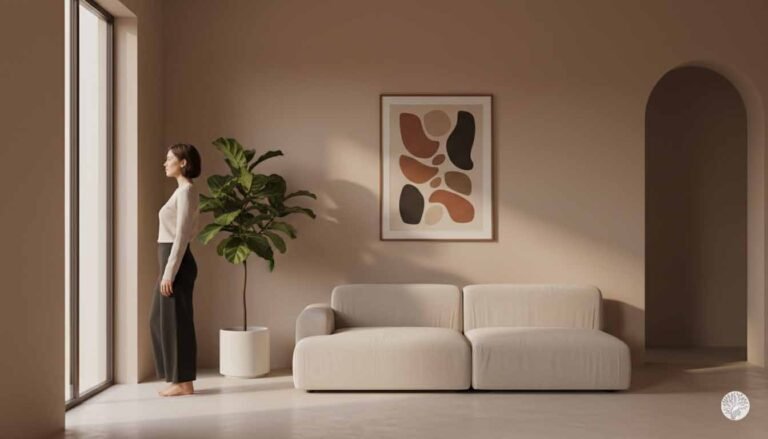
In art and design, negative space is the area surrounding a subject. In the context of a breathable home, it is the intentional absence of clutter. It is Visual Silence in physical form. By “protecting the empty,” you create a sanctuary where your brain can finally stop processing data and start experiencing peace.
The Science Behind Why Your Brain Needs Gaps
Your brain is constantly scanning your environment, even when you aren’t aware of it.
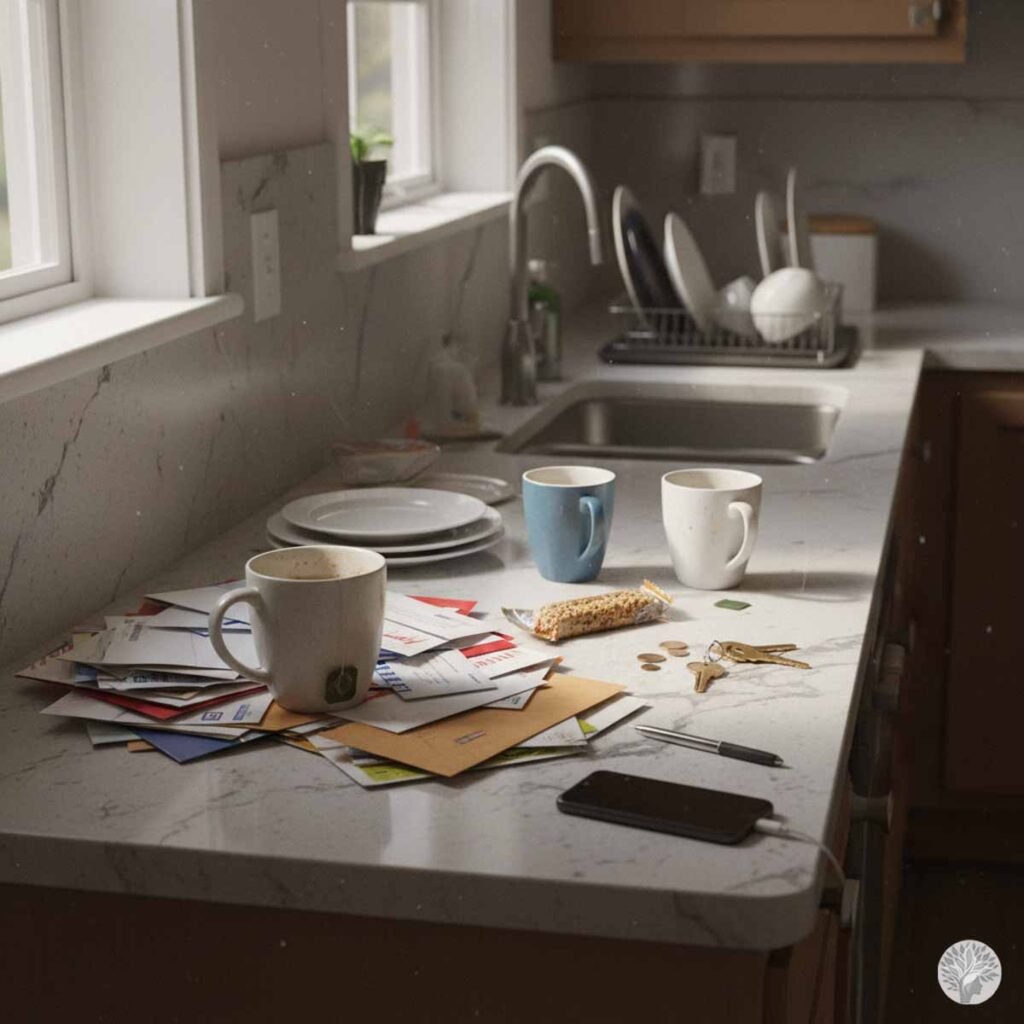
- The Scan Mode: Every object in your peripheral vision like the pile of mail, the unused toaster, the decorative knick-knack is “data” your brain has to process.
- More Objects = More Work: When a room is filled to the edges, your brain stays in a high-alert scanning mode. This leads to Visual Overload, which keeps your cortisol (stress hormone) levels elevated.
- The Landing Strip: Negative space acts as a landing strip for your eyes. When your gaze hits a blank wall or a clear counter, your nervous system receives a signal that it is safe to shift from “Scan” mode to “Rest” mode.
What Happens Without Negative Space?
- Constant Scanning: Your eyes never find a place to “land,” leading to subtle but persistent mental fatigue.
- Visual Overload: The brain feels crowded, making it harder to focus on the people inside the home.
- Decision Fatigue: A lack of space often mirrors a lack of clarity, making simple daily tasks feel heavier than they are.
Real-World Examples of Creating the Breathable Home
| The Area | The “Noisy” Version | The “Negative Space” Version |
| The Gallery Wall | 20 small, mismatched frames covering every inch. | 3 large frames with wide mats and visible wall space between them. |
| The Kitchen Counter | Every appliance and spice jar lined up against the backsplash. | One clear “Anchor Corner” with absolutely nothing on it. |
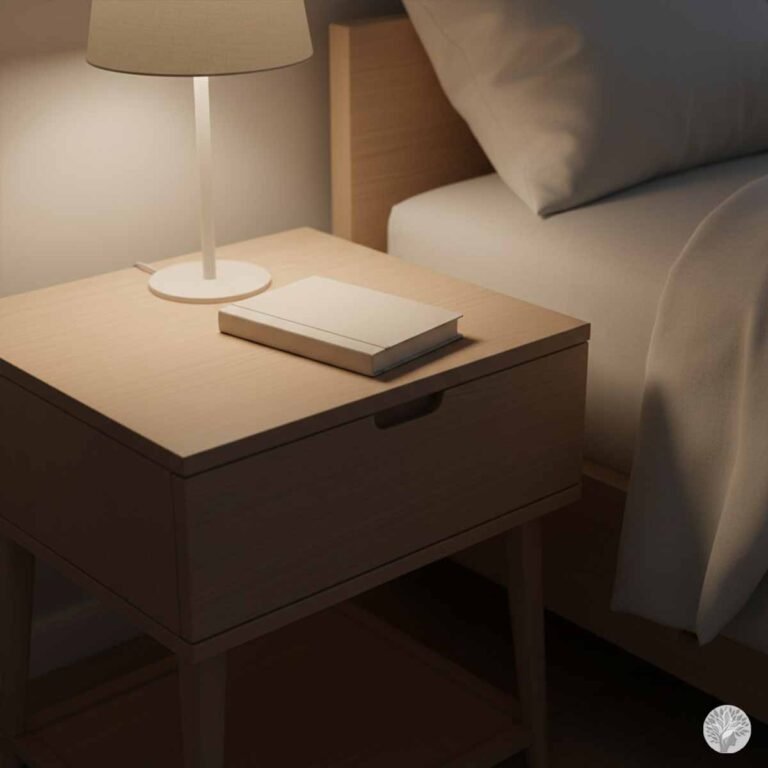
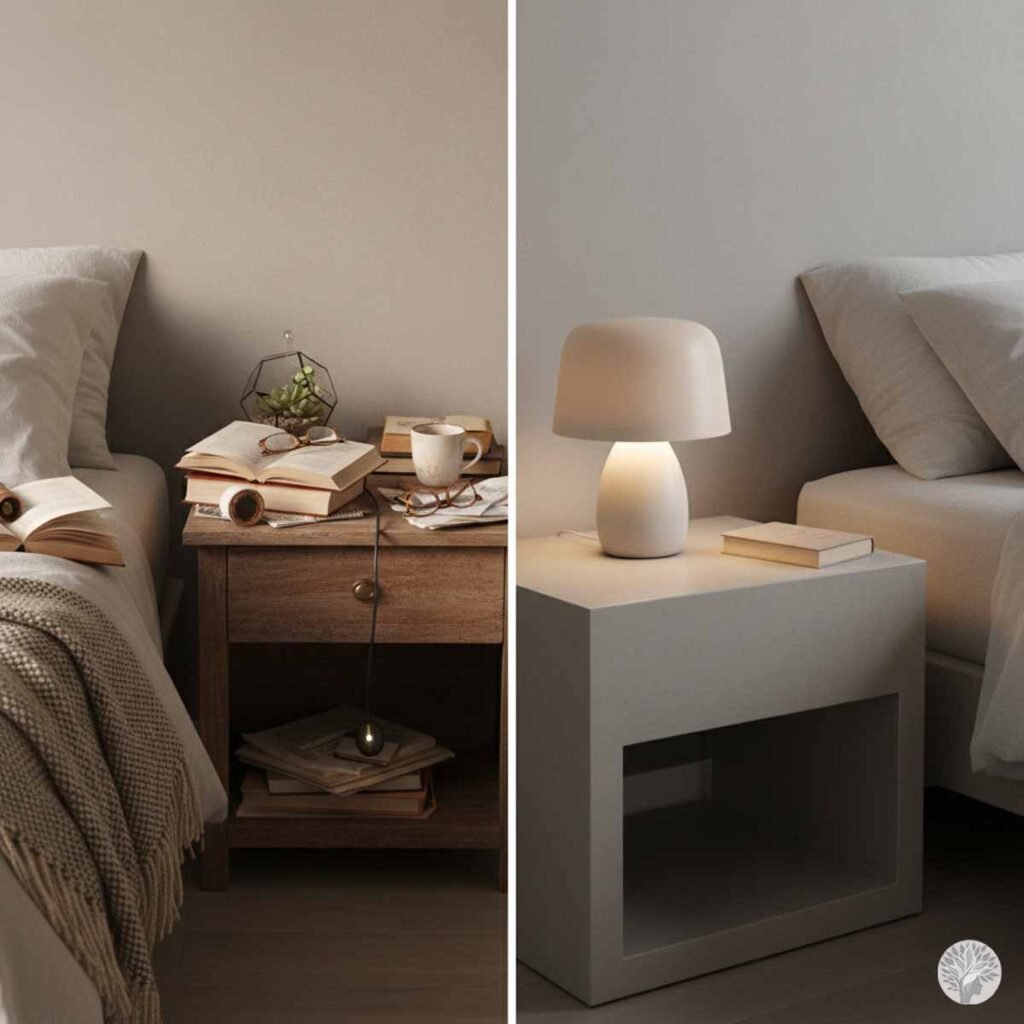
| The Nightstand | Books, lotions, chargers, and a lamp filling the surface. | Just a lamp and one book, leaving visible wood grain. |
The Habit of “The Edit”
You don’t need to be a minimalist to benefit from negative space. You just need to be an editor.
The 30-Second Edit:
Pick one surface in your home right now, a shelf, a coffee table, or a dresser. Remove just one item. Not because it’s “trash,” but because the space it leaves behind is more valuable than the object itself.
The Mantra: “Space is a decorative element.”
FAQs
What is negative space in a home?
It is the intentional area of “nothingness” like blank walls, clear counters, and empty corners that provides visual relief.
How does clutter affect the brain?
Clutter forces the brain to constantly process information, which increases cognitive load and heightens stress and anxiety.
How much empty space is needed?
There is no rigid rule, but aim to leave enough visible space so that your eyes can travel across a room without “tripping” over objects.