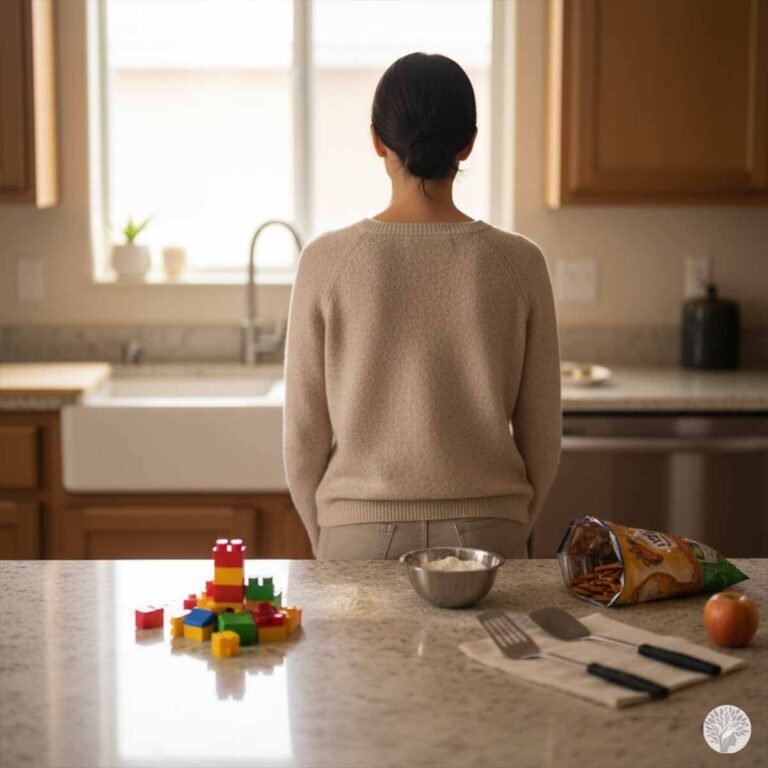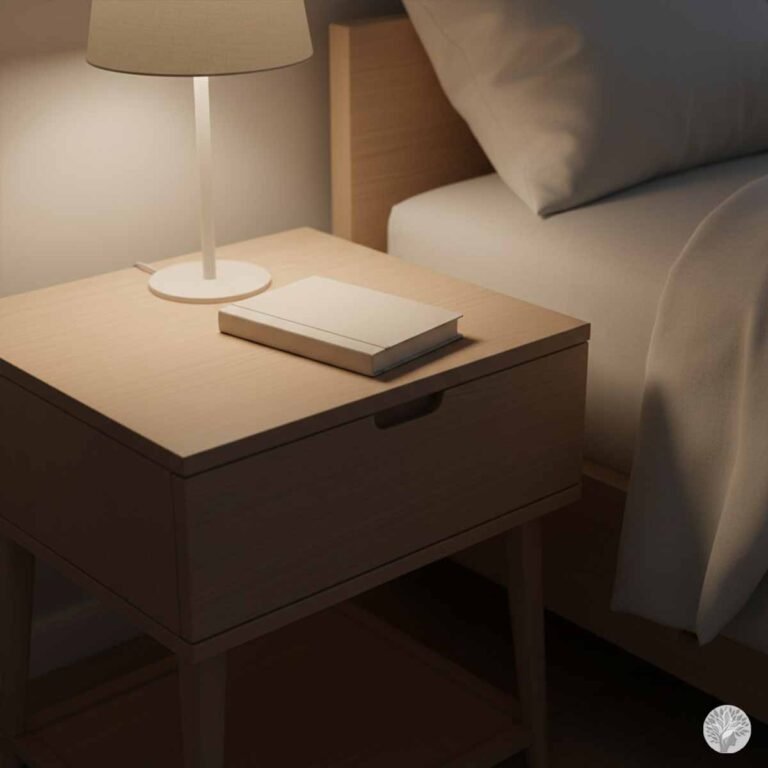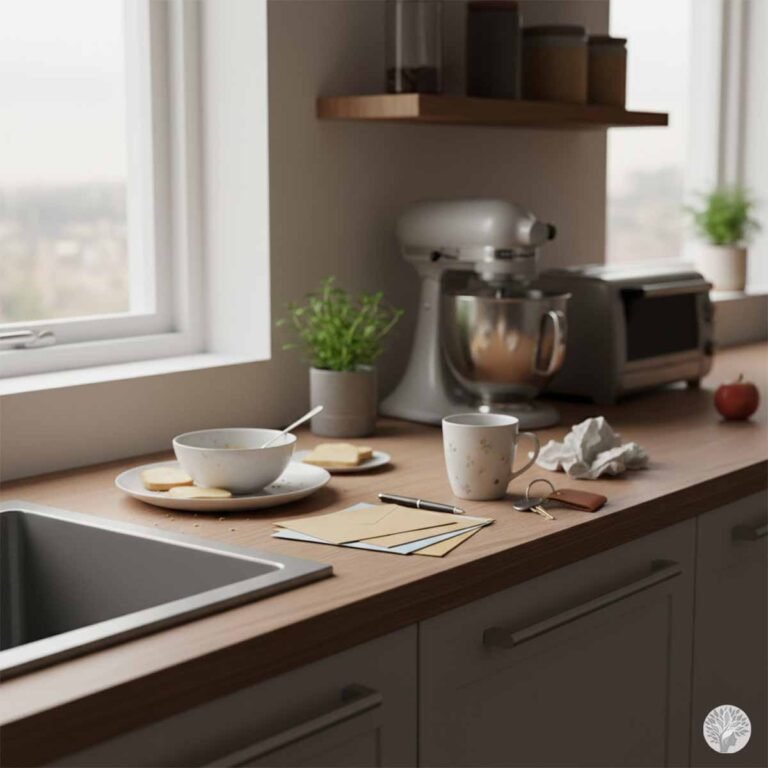

Many overstimulated mothers fall into a cycle of performance homemaking. At TMML, we explore this in depth when looking at the shift between home management vs. dwelling.
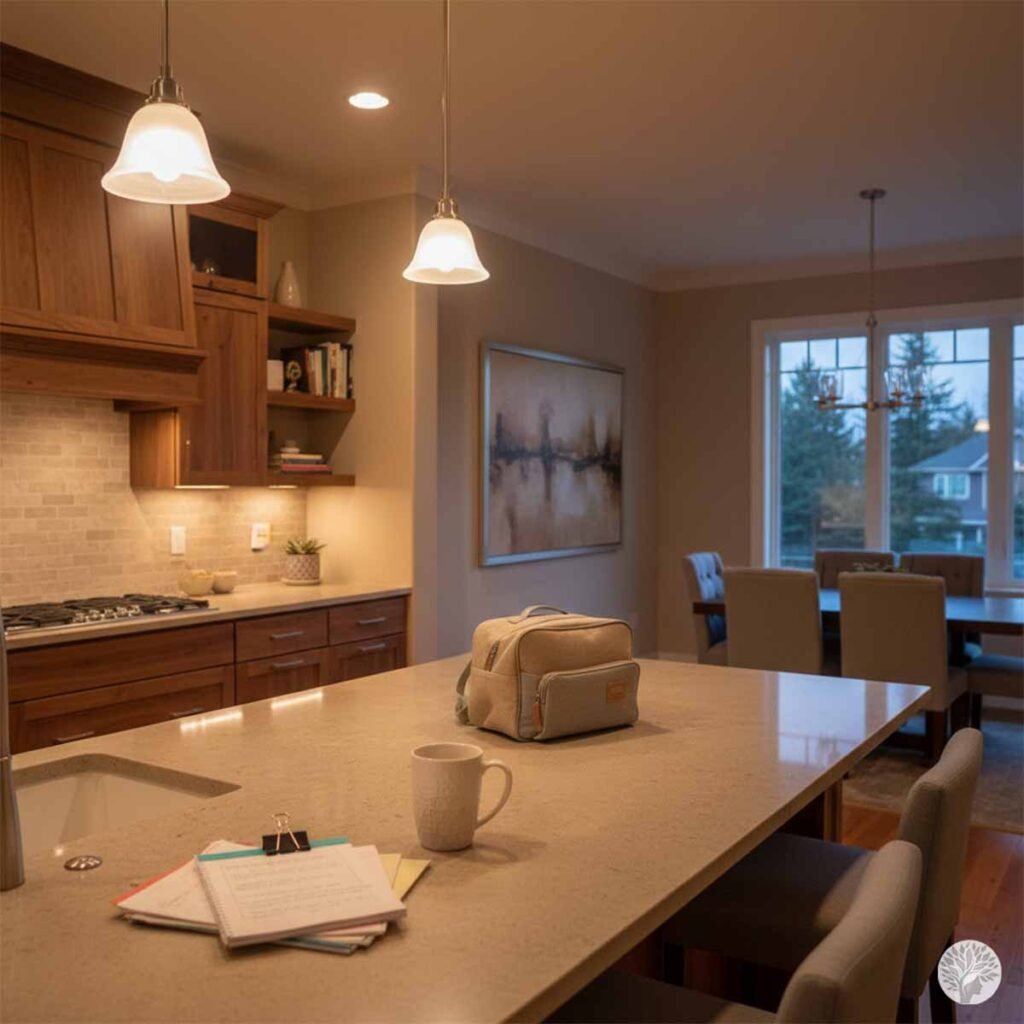
At The Mindful Mom, the home management trap defines the invisible cycle where a mother runs her household like an exhausted corporate operator instead of experiencing it as a peaceful inhabitant. When we fall into this trap, we confuse high-alert performance homemaking with genuine care, leaving the modern household feeling rigid, structured, and emotionally loud. Breaking free requires a conscious shift from cold, productivity-driven home management to the restorative practice of dwelling.
- Management relies on aggressive chore checklists, strict organization metrics, and sterile, overstimulating cleaning standards. While efficiency isn’t the enemy, operating purely in management mode forces a mother into a state of alert homemaking where the mind is constantly scanning, tracking, and evaluating the physical space for flaws to fix.
- Dwelling is the practice of emotional home care. It shifts the focus away from how a home looks to an outsider, prioritizing instead how the physical environment emotionally lands on the family inside it. Dwelling uses soft visual baselines, acoustic boundaries, and gentle, predictable patterns to create an emotionally supportive environment.
┌────────────────────────────────────────────────────────────────────────┐
│                        THE ESSENTIAL HOME SHIFT                        │
├───────────────────────────────┬────────────────────────────────────────┤
│ MANAGEMENT MODE (The Operator)│ DWELLING MODE (The Inhabitant)         │
├───────────────────────────────┼────────────────────────────────────────┤
│ Performance Homemaking        │ Emotional Home Care                    │
│ Constant Alert Readiness      │ Visual Relief & Soft Atmospheres       │
│ Exhaustive Invisible Tracking │ Protective Rhythms That Hold You       │
└───────────────────────────────┴────────────────────────────────────────┘
The Reality of Alert Homemaking
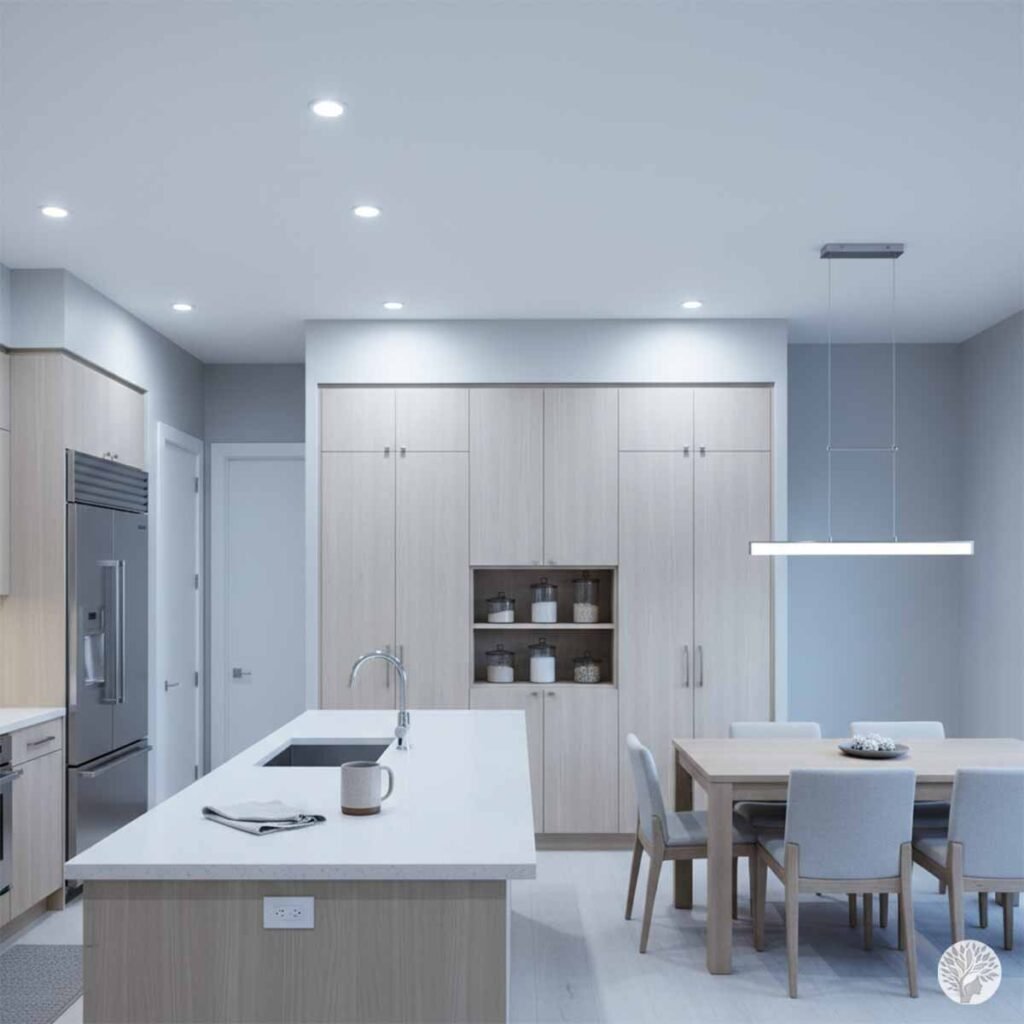
Many overstimulated mothers experience a constant, heavy motherhood mental load at home. At TMML, we call this Invisible Tracking the exhaustive background work of anticipating, planning, and organizing every domestic detail. When a house is set up purely for management efficiency, it introduces a subtle physical and visual friction that keeps this tracking loop active, leaving you feeling like your home feels stressful even when it’s technically clean.
Traditional home advice tells you to manage harder, clean faster, or buy better organizing containers. But you cannot organize your way out of a sensory overload home. True dwelling does not mean rejecting structure or letting the dishes pile up indefinitely; our spaces still need care, but a calm home is rarely a perfect one. Instead, dwelling redefines how that structure emotionally feels, replacing the cold pressure of performance homemaking with sustainable, environmental gentleness.
You May Be Stuck in the Home Management Trap If…
- You sit down on the couch but your eyes still actively scan the room for messes.
- Clutter feels physically loud, sharp, or frustrating rather than just untidy.
- You find it incredibly difficult to rest without feeling like you have “earned it” first.
- Even when a room is completely quiet, your mind still feels busy and crowded.
- You notice the chores that need doing before you notice your own physical comfort.
Creating Protective Rhythms
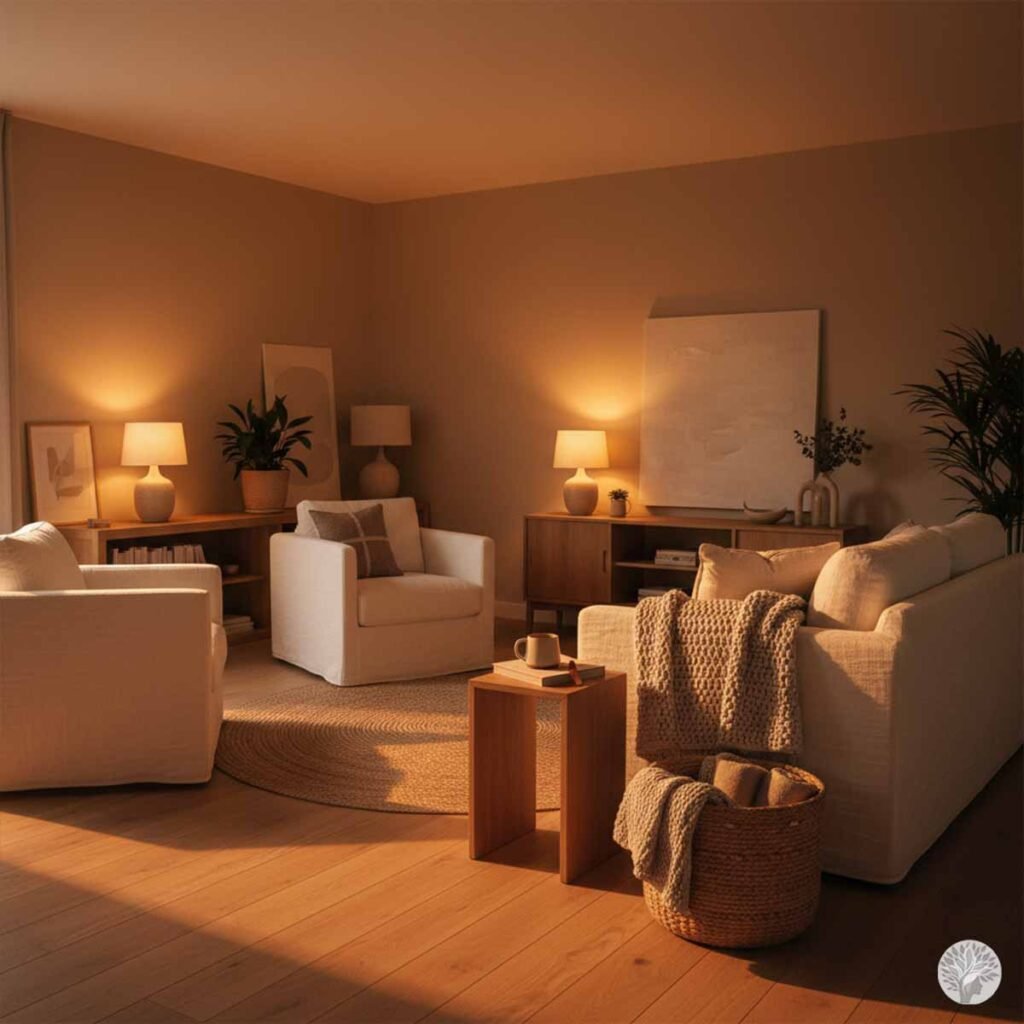
To move a home from a high-stress operational workspace into a true sanctuary, we look for simple opportunities to create emotional softness at home.
We step away from rigid tracking schedules and introduce Protective Rhythms with low-effort, realistic daily anchors designed to protect your energy rather than hit a productivity target. Whether it is clearing just one high-frequency surface before bed to create instant visual relief, or switching off harsh overhead lights at sunset to transition the home into a restful state, these soft intervals allow the mind to stop managing the room and finally begin dwelling within it.

Ultimately, breaking free from the home management trap is an act of radical permission. It is the realization that your worth as a mother is not measured by the absolute gleam of your countertops or the flawless execution of an exhausting checklist. When you step out of performance mode, you allow the house to rest, and in doing so, you give yourself the exact same grace. True mindfulness begins when the sensory noise quietens down enough for your soul to finally breathe.
Love ya, stay mindful!

© 2026 The Mindful Mom Life. All rights reserved. This methodology is part of the Hetal Method helping mothers find neurological rest through intentional home management. No part of this work may be shared or reproduced without credit to the original source.
Official Concept Origin: The Mindful Mom Life, 2026.
Status: Foundational Term / Mindful Living Glossary