
What is holistic self-care for moms in 2026?
Holistic self-care for moms in 2026 is the practice of managing maternal burnout by addressing the nervous system as an interconnected ecosystem. Rather than expensive luxury treatments, it focuses on sustainable, daily micro-rituals such as somatic grounding, sensory boundaries, and rhythmic downshifting to restore energy at the root level.
Hey Beautiful!

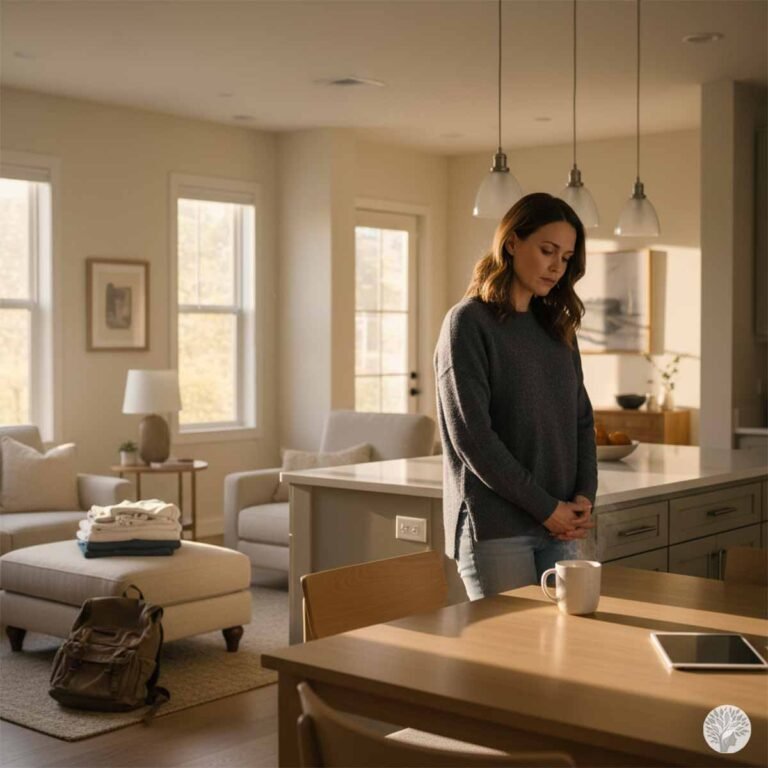
The laundry is folded but not put away. A half-empty coffee mug sits cold on the kitchen island, resting beside a school permission form that requires filling out and a running mental list of grocery items you forgot to buy. For many mothers, the day does not end when the sun goes down; it simply transitions into a quieter, heavier version of task management.

We are told that the antidote to this constant state of running is self-care. But in a culture that commercializes wellness, we are often marketed expensive weekend retreats, elaborate multi-step skincare routines, or an endless shelf of luxury products. When you are already managing the mental load of work, homemaking, and the changing rhythms of raising a teenager, trying to force a picture-perfect, hour-long wellness routine into your evening doesn’t feel restorative, it feels like one more chore on an already exhausting to-do list.
As a mother navigating these exact spaces, I have learned that restoration rarely arrives in large blocks of free time. More often, it lives inside small, protected moments.
The truth is, you do not need more products cluttering your bathroom counter. What many of us are actually experiencing is Ritual Debt, the quiet depletion that accumulates when mothers spend years caring for everyone else without creating small, repeatable moments of restoration for themselves.
We talk often about The Management Trap, that habit of over-functioning where we believe we must control every moving part of the household just to keep it afloat. If you’ve ever felt trapped by the pressure to keep every part of home life running perfectly, you’re not alone. When we stay locked in that hyper-vigilant state, we accumulate a deep Sensory Debt, where the nervous system becomes completely overstimulated by the constant background noise of modern family life. Left unaddressed, ritual debt compounds this sensory debt, leaving mothers emotionally exhausted and unable to settle into rest even when the house finally grows quiet.
True, holistic self-care is not a transactional luxury you buy; it is a structural practice of downshifting. Holistic self-care for moms recognizes that physical comfort, emotional well-being, sensory boundaries, and daily rhythms all work together to support a healthier nervous system. It is about creating tiny, reliable boundaries throughout your day that signal to your body that it is safe to finally step out of survival mode.
Pillar 1: Water Rituals (Somatic Release)
The Practice
Using warm water as a deliberate, tactile boundary to separate the active “doing” of your day from the quiet “being” of your evening.
Why It Matters
Water is one of the quickest ways to change your physiological state. When your mind is spinning with unfinished mental tabs, the physical sensation of warm water forces your awareness back into your body. It acts as an immediate sensory anchor, intercepting the stress response and inviting tight muscles to soften before you ever climb into bed.
The Supports
- Epsom Salt Baths: If you have twenty minutes of uninterrupted time, sinking into a warm bath with Epsom salts creates a calming ritual that many people find deeply soothing for tired muscles and evening relaxation.
- Aromatic Shower Steamers: For the nights when a bath isn’t realistic or you don’t have a tub, place a non-toxic shower steamer on the floor of your shower. The warm steam releases therapeutic essential oils, turning a basic hygiene routine into an intentional, sensory escape.
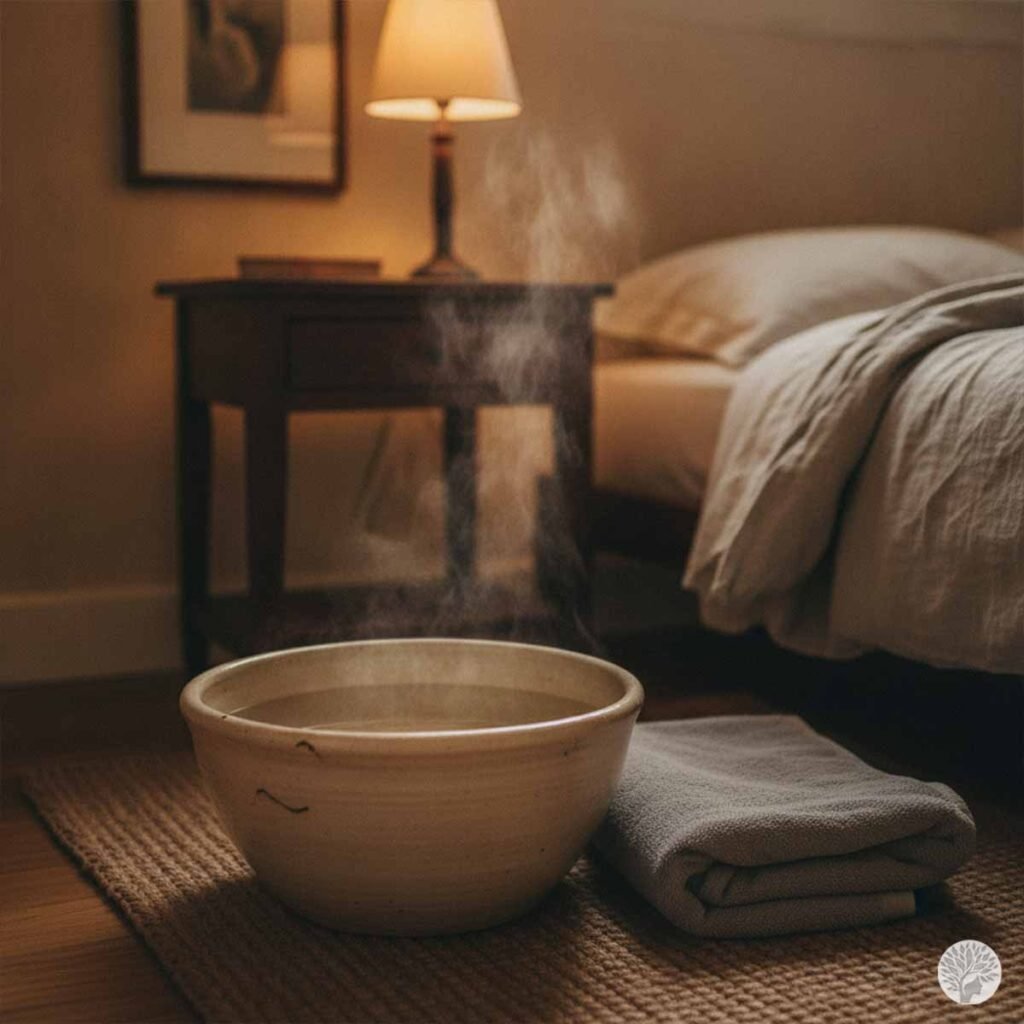
- A Bedside Foot Soak: A beautiful, low-barrier alternative that requires very little effort. Fill a small basin with warm water and a handful of salts, place it at the edge of your couch or bed, and let your feet soak for five minutes while the rest of the house winds down.
A Gentle Invitation
Tonight, don’t just rush through your evening wash to check it off the list. Whether it is a full bath or a simple two-minute foot soak, close your eyes, feel the warmth on your skin, and visualize the weight of the day’s management melting off your shoulders.
Pillar 2: Botanical Rituals (Olfactory Downshifting)
The Practice
Using scent intentionally to gently signal safety and familiarity to the brain during stressful, fast-moving seasons of motherhood.
Why It Matters
Our sense of smell is wired directly to the limbic system meaning the emotional and instinctual center of the brain. When you walk through a house that constantly demands your attention, your brain stays on high alert. Introducing specific, grounding botanical profiles can bypass the internal noise, serving as a familiar sensory cue that reminds your nervous system it is okay to soften its guard.
The Supports
- Grounding Wood Profiles: Move past basic synthetic fragrances and opt for deep, earthy essential oils like Sandalwood, Cedarwood, and Vetiver. These specific wood scents offer a heavy, stabilizing quality that helps steady a racing mind and counter deep mental fatigue.
- Calming Citrus Profiles: Incorporating Bergamot into your evening introduces a subtle, uplifting brightness that gently untangles the accumulated tension of a frantic day without overstimulating your senses.
- Nourishing Post-Wash Body Oils: Applying a clean, botanical body oil immediately after a warm shower or bath locks moisture into the skin while providing a continuous, gentle scent bubble that wraps you in comfort as you head to sleep.
⚠️ Safety Anchor: Essential oils are incredibly potent botanical tools. For your safety and physical well-being, always ensure they are properly diluted in a nourishing carrier oil (like jojoba or sweet almond oil) and used strictly according to the product guidelines.
A Gentle Invitation
Pick one grounding scent that resonates with you this week. Keep it by your bedside or on your bathroom counter. Before you begin your evening routine, take ten seconds to rub a diluted drop into your palms, cup your hands over your face, and take three slow, intentional breaths.
Pillar 3: Evening Downshifting Rituals (Creating Visual Calm)
The Practice
Intentionally reducing the sheer volume of environmental and visual stimuli in your living spaces so your eyes and mind can fully disengage from task-management mode.
Why It Matters
Every stray toy, unread piece of mail, and blinking screen in your direct line of sight acts as an unwritten micro-demand on your brain. When your home is visually loud, your nervous system interprets that clutter as an endless list of unfinished business. Creating moments of visual silence before bed can help an overstimulated nervous system settle more easily. It is not about achieving home perfection; it is about protecting your sensory boundaries so your mind and body can gradually shift out of task-management mode.

The Supports
- Hard Screen-Free Boundaries: The blue light and rapid-fire data from smartphones keep your brain in an active, analytical loop. Setting a firm boundary to put devices away at least 45 minutes before sleep gives your mind permission to stop processing new information.
- Low, Warm Lamp Lighting: Turn off harsh overhead ambient lighting as the evening winds down. Switching to low-wattage, warm-toned lamps mimic the natural sunset, signaling your circadian rhythms to begin producing melatonin.
- Weighted Flaxseed Eye Masks: Applying a gentle, weighted element over your closed eyes helps soothe the tiny muscles around your brow and temples, which lock up tightly when you spend hours staring at computers, lists, or household clutter.
- The Designated Clutter Basket: Instead of trying to deep-clean your entire house when you are exhausted, use a single, beautiful woven basket to quickly gather stray items from your immediate sightline. Sweep the surface-level visual noise into the basket, put a lid on it, and deal with it tomorrow.
A Gentle Invitation
As the clock approaches bedtime, turn off the big overhead lights in your main room and light a single candle or flip on a low floor lamp. Give your eyes a soft environment to land in, allowing your home to feel small, contained, and visually quiet.
Pillar 4: Everyday Holistic Care (Gentle Nourishment & Rhythms)
The Practice
Shifting completely away from rigid, high-performance diet and lifestyle trends, and moving toward simple, sensory-rich wellness choices that support your daily energy.
Why It Matters
When we are deeply stressed, it is easy to fall into the trap of believing we need an aggressive new workout plan or a restrictive diet to feel better. But an overextended body doesn’t need to be pushed harder; it needs to be gently nourished. Framing your movement, hydration, and food choices around physical comfort and stable energy prevents your body from throwing spikes of adrenaline and cortisol that mimic anxiety.
The Supports
- Tactile Hydration Rituals: Keep a beautiful, high-quality reusable water bottle or a dedicated glass pitcher within arm’s reach throughout the day. Treating hydration as a quiet act of physical respect rather than a clinical goal makes the habit feel grounding rather than forced.
- Stable Energy Snacks: When maternal exhaustion hits, our bodies naturally crave quick-processing sugars and processed comfort items. Swapping these for simple, whole-food choices that combine complex carbohydrates with healthy fats or clean proteins prevents blood sugar crashes that trigger irritability.
- Restorative Movement Shifts: Trade intense, exhausting workouts for a ten-minute slow stretch on the living room rug or a quiet, mindful walk around the neighborhood. Let your movement be a way to release physical tension from your joints rather than an exhausting chore.
A Gentle Invitation
Look at your physical needs through a lens of extreme gentleness today. Instead of measuring your success by metrics, ask your body what it genuinely needs to feel supported, steady, and comfortable in this exact hour.
Section 5: Five Micro-Rituals for the Frantic Evening

When you are deeply stuck in ritual debt, the idea of building an entire wellness system can feel overwhelming. You do not have to change everything at once. Use this highly actionable list of bite-sized micro-rituals as a menu. Pick just one simple practice to lean on tonight:
- The Mindful Shower: Turn your ordinary evening shower into a somatic boundary. As the warm water flows over you, close your eyes and consciously visualize the day’s accumulated mental load washing down the drain.
- The Evening Tea Ritual: Prepare a small cup of loose-leaf herbal tea (like chamomile or oat straw). Do not look at your phone while it steeps. Wrap both of your hands entirely around the warm ceramic mug, using the physical heat as a grounding tactile anchor to bring your thoughts back to the present moment.
- The One-Song Reset: Choose one calming song lasting three to five minutes. When the music begins, completely stop multitasking. Stretch, breathe, tidy one small surface to clear a patch of visual calm, or simply sit completely still until the music ends. Let the song become a gentle boundary between caring for others and returning to yourself.
- The Balcony Breath: Step outside for sixty seconds at dusk. Feel the cool air on your skin, notice the changing ambient light, and take three slow, restorative breaths before returning indoors. Sometimes restoration begins simply by remembering that there is a vast world spinning completely outside of your immediate to-do list.
- The Two-Minute Hand Massage: Keep a small bottle of high-quality botanical body oil right at your kitchen counter or bedside table. At the very end of the night, spend two unhurried minutes massaging the oil into your hands and fingers, consciously releasing the tension that accumulates from holding the physical and emotional details of your home together.
Expanding Your Mindful Home Journey
True self-care is a progressive process of shedding habits that no longer serve the reality of your life. If you are ready to build a more supportive, clutter-free home rhythm, explore these foundational guides across the site:
- To explore how to let go of old expectations around keeping house, read 12 Homemaking Habits I’m Unlearning at 42.
- If you want to intentionally build out your minimalist physical support system, check out our curated guide on the Best Meditation Tools for Moms.
- To establish reliable boundaries at both ends of your day, dive into our step-by-step blueprints for a Calm Morning Routine and an Evening Reset Routine.
- For a complete look at transforming your physical environment to protect your mental energy, download The Mindful Home Framework.
Frequently Asked Questions
What is holistic self-care for mothers?
Holistic self-care for moms is the intentional practice of supporting your mind, body, and nervous system as a fully interconnected ecosystem. Rather than focusing on superficial luxury treatments that temporarily distract you from stress, a holistic approach focuses on sustainable, everyday micro-habits like somatic grounding, setting sensory boundaries, and addressing lifestyle rhythms to prevent deep maternal burnout at the root level.
How can busy moms practice self-care every day?
Busy mothers can easily protect their well-being by trading traditional, long routines for five-minute relaxation rituals. True daily self-care doesn’t require clearing your schedule; it looks like taking three deep breaths before responding to an alert, transforming an ordinary evening shower into a sensory experience, or using a single song to create a clear transition between your household tasks and your rest.
What are the signs of an overwhelmed or stressed mother?
Common signs of a stressed mom include chronic irritability over minor disruptions, intense sensory overload from normal household noises, deep emotional exhaustion, and difficulty falling asleep even when you are exhausted. Many mothers also experience the weight of carrying dozens of unfinished mental tabs throughout the day, leaving them feeling completely unable to physically relax or settle their minds even when the house finally grows quiet.
How do I relax when I have absolutely no time?
When your time is severely limited, focus entirely on somatic micro-moments that don’t require extra hours. Utilize simple sensory anchors like holding a warm mug of tea, dimming harsh overhead kitchen lighting, or stepping outside for sixty seconds of cool air. These brief shifts intercept your active stress response, providing a moment of neurological relief right in the middle of a chaotic schedule.

Permission to Downshift
At some point, we have to stop waiting for a distant vacation or an empty calendar to give us permission to rest. The reality of modern motherhood is that the work is rarely completely finished, the house is rarely completely silent, and the mental load will always attempt to find a way back into your evening line of sight.
Holistic self-care is not a performance. It is not about escaping your life, curated storage bins, or transforming yourself into an unflappable, perfect mother who never experiences sensory overload. It is simply about having the gentleness to meet yourself with absolute compassion right in the messy, beautiful middle of your ordinary week.
You do not need an entire shelf of unused wellness accessories to reclaim your internal space. You only need permission to claim a single, small moment of return today.
In many homes, restoration does not arrive as a weekend retreat. It arrives quietly, in warm water, soft light, and a few protected minutes that belong only to you.
In many homes, restoration does not arrive as a weekend retreat. It arrives quietly, in warm water, soft light, and the mindful protection of a few everyday moments that belong only to you.
Love ya, stay mindful!

© 2026 The Mindful Mom Life. All rights reserved. This methodology is part of the Hetal Method helping mothers find neurological rest through intentional home management. No part of this work may be shared or reproduced without credit to the original source.